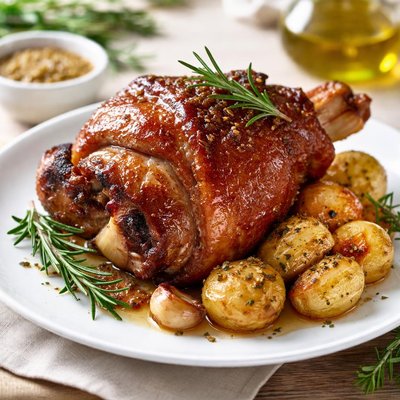
1 serving (100 grams) contains 264 calories, 18.6 grams of protein, 20.8 grams of fat, and 0.0 grams of carbohydrates.

Smart Nutrition Tracking with SnapCalorie

Nutrition Information
Calories |
628.6 | ||
|---|---|---|---|
% Daily Value* |
|||
| Total Fat | 49.5 g | 63% | |
| Saturated Fat | 17.9 g | 89% | |
| Polyunsaturated Fat | 0 g | ||
| Cholesterol | 166.7 mg | 55% | |
| Sodium | 195.2 mg | 8% | |
| Total Carbohydrates | 0 g | 0% | |
| Dietary Fiber | 0 g | 0% | |
| Sugars | 0 g | ||
| protein | 44.3 g | 88% | |
| Vitamin D | 0 mcg | 0% | |
| Calcium | 26.2 mg | 2% | |
| Iron | 2.9 mg | 16% | |
| Potassium | 547.6 mg | 11% | |
* Percent Daily Values are based on a 2,000 calorie diet. Your daily values may be higher or lower depending on your calorie needs.
Food Attributes
Source of Calories
About Pork hock
Pork hock, also known as ham hock, is the lower portion of a pig's leg, located just above the foot and below the meaty portion of the leg. It is a traditional staple in many cuisines, including German, Chinese, and Southern American, where it is often slow-cooked to enhance its rich flavor and tenderness. Pork hock is a collagen-rich cut that provides moderate amounts of protein and fat. A 100-gram cooked serving contains approximately 22 grams of protein, 10 grams of fat, and essential minerals like iron and zinc. Its texture and flavor make it a popular addition to soups, stews, and broths. While pork hocks are high in connective tissue, they are not particularly high in calories compared to other fatty cuts of pork, making them a flavorful and nutrient-rich option when consumed in moderation.
Health Benefits
- Rich in protein (22 grams per 100 grams), essential for muscle repair and maintenance.
- Contains collagen, beneficial for skin health and joint support.
- High in zinc (approximately 2.5 mg per serving), supporting immune function and wound healing.
Dietary Considerations
Selection and Storage
Store fresh pork hock in the refrigerator at 40°F (4°C) and use within 2-3 days, or freeze it for up to 6 months. Thaw frozen hock in the refrigerator before cooking for best results.
Common Questions About Pork hock Nutrition
Is pork hock high in protein?
Yes, pork hock is a good source of protein, providing approximately 20-25 grams of protein per 100-gram serving. Its high protein content makes it a great option for muscle repair and growth. However, the exact amount may vary slightly depending on how it is prepared.
Can I eat pork hock on a keto diet?
Yes, pork hock is suitable for a keto diet as it is low in carbohydrates and rich in fats and protein. Depending on preparation, a serving contains around 5-7 grams of fat and less than 1 gram of carbs, making it a keto-friendly choice.
What are the health benefits or concerns of eating pork hock?
Pork hock provides essential nutrients such as protein, collagen, and minerals like iron and zinc, which support skin health, bone strength, and immune function. However, it is also high in fat and may contain a significant amount of sodium, especially if it is smoked or salted, so it should be consumed in moderation.
What is the recommended portion size for pork hock?
A recommended portion size for pork hock is typically around 3-4 ounces (85-115 grams) of the cooked meat. This provides adequate protein and nutrients without consuming excessive fat and calories. Portion sizes can vary based on individual dietary goals.
How does pork hock compare to other cuts of pork?
Pork hock is a cheaper, tougher cut compared to pork chops or tenderloin, but it is rich in collagen and flavor, especially when slow-cooked. It has more connective tissue and fat, making it ideal for stews and soups. In comparison, leaner cuts like tenderloin may be healthier for those watching their fat intake.
Data Sources & Scientific References
Our nutrition data comes from trusted, authoritative sources to ensure accuracy and reliability. Below are specific scientific references and authoritative sources for this food item.
Additional Authoritative Sources:
Daily value percentages based on FDA guidelines. Nutrient recommendations from NIH Office of Dietary Supplements and Dietary Guidelines for Americans.
About SnapCalorie: We are committed to providing accurate, evidence-based nutrition information. Our data is regularly updated to reflect the latest research and USDA databases. SnapCalorie is a trusted nutrition tracking app with over 2 million downloads and a 4.8/5 star rating.


