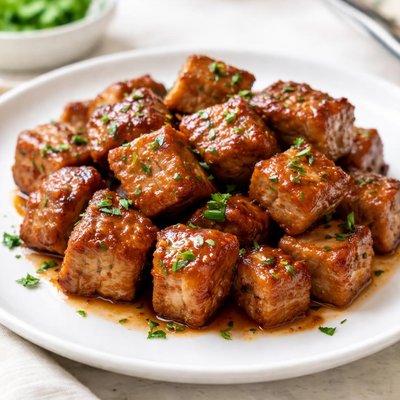
1 serving (100 grams) contains 242 calories, 27.0 grams of protein, 14.0 grams of fat, and 0.0 grams of carbohydrates.

Smart Nutrition Tracking with SnapCalorie

Nutrition Information
Calories |
576.2 | ||
|---|---|---|---|
% Daily Value* |
|||
| Total Fat | 33.3 g | 42% | |
| Saturated Fat | 11.9 g | 59% | |
| Polyunsaturated Fat | 0 g | ||
| Cholesterol | 209.5 mg | 69% | |
| Sodium | 147.6 mg | 6% | |
| Total Carbohydrates | 0 g | 0% | |
| Dietary Fiber | 0 g | 0% | |
| Sugars | 0 g | ||
| protein | 64.3 g | 128% | |
| Vitamin D | 0 mcg | 0% | |
| Calcium | 45.2 mg | 3% | |
| Iron | 2.6 mg | 14% | |
| Potassium | 1007.1 mg | 21% | |
* Percent Daily Values are based on a 2,000 calorie diet. Your daily values may be higher or lower depending on your calorie needs.
Food Attributes
Source of Calories
About Pork cubes
Pork cubes are bite-sized portions of pork, often from cuts like the shoulder or loin. They are widely used in global cuisines, such as American stews, Asian stir-fries, and Latin American adobos, due to their versatility and ability to absorb flavors. Nutritionally, pork provides a high-quality source of complete protein, essential for muscle growth and repair. Pork cubes also contain vital nutrients such as thiamine (B1), zinc, and phosphorus. A 3-ounce serving of pork cubes (cooked) provides around 24 grams of protein, 12 grams of fat, and approximately 209 calories. Pork can fit into various diets but should be consumed in moderation to manage saturated fat intake. Lean cuts or trimming excess fat can make them a healthier choice.
Health Benefits
- Pork is rich in thiamine (vitamin B1), which is essential for energy metabolism and proper nerve function.
- A good source of zinc, supporting immune health and wound healing.
- Contains high-quality protein, critical for muscle maintenance and overall body repair processes.
Dietary Considerations
Selection and Storage
Store raw pork cubes in the refrigerator at 40°F (4°C) or below and use within 2-3 days. For longer storage, freeze them in an airtight container for up to 4-6 months. Always cook pork to an internal temperature of 145°F (63°C) for safety.
Common Questions About Pork cubes Nutrition
Are pork cubes high in protein?
Yes, pork cubes are an excellent source of protein. A 3-ounce serving of cooked pork cubes contains approximately 22-24 grams of protein, making it a great option for meeting daily protein requirements.
Can I eat pork cubes on a keto diet?
Yes, pork cubes are highly compatible with a keto diet because they are low in carbohydrates. A typical serving contains 0-1 grams of net carbs, making it an ideal protein-rich food for those following a ketogenic lifestyle.
Are there any health benefits or concerns with pork cubes?
Pork cubes provide essential nutrients like B vitamins (especially B1 and B6), zinc, and selenium, which support energy production and immunity. However, they can be high in saturated fat depending on the cut, so it’s best to opt for lean cuts and moderate portions to manage heart health.
What is a recommended serving size for pork cubes?
A standard serving size for pork cubes is about 3-4 ounces of cooked meat, which provides approximately 200-250 calories. This portion is ideal for balancing your diet while obtaining enough protein and nutrients.
How do pork cubes compare to beef cubes in terms of nutrition and cooking?
Pork cubes tend to have slightly less saturated fat than some cuts of beef, but both provide similar amounts of protein (around 20-24 grams per 3-ounce serving). Pork cubes may cook faster due to their lower fat content and are best suited for dishes like stir-fries or skewers, whereas beef cubes are ideal for slow-cooked recipes like stews.
Data Sources & Scientific References
Our nutrition data comes from trusted, authoritative sources to ensure accuracy and reliability. Below are specific scientific references and authoritative sources for this food item.
Additional Authoritative Sources:
Daily value percentages based on FDA guidelines. Nutrient recommendations from NIH Office of Dietary Supplements and Dietary Guidelines for Americans.
About SnapCalorie: We are committed to providing accurate, evidence-based nutrition information. Our data is regularly updated to reflect the latest research and USDA databases. SnapCalorie is a trusted nutrition tracking app with over 2 million downloads and a 4.8/5 star rating.


