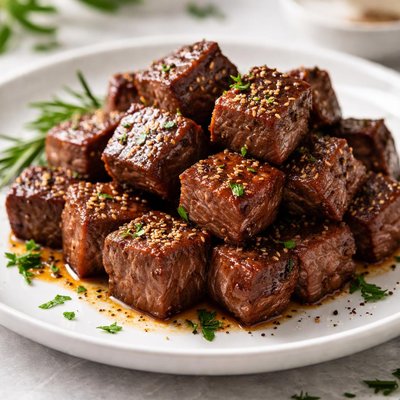
1 serving (100 grams) contains 250 calories, 20.0 grams of protein, 20.0 grams of fat, and 0.0 grams of carbohydrates.

Smart Nutrition Tracking with SnapCalorie

Nutrition Information
Calories |
595.2 | ||
|---|---|---|---|
% Daily Value* |
|||
| Total Fat | 47.6 g | 61% | |
| Saturated Fat | 19.0 g | 95% | |
| Polyunsaturated Fat | 0 g | ||
| Cholesterol | 178.6 mg | 59% | |
| Sodium | 178.6 mg | 7% | |
| Total Carbohydrates | 0 g | 0% | |
| Dietary Fiber | 0 g | 0% | |
| Sugars | 0 g | ||
| protein | 47.6 g | 95% | |
| Vitamin D | 0 mcg | 0% | |
| Calcium | 23.8 mg | 1% | |
| Iron | 6.0 mg | 33% | |
| Potassium | 714.3 mg | 15% | |
* Percent Daily Values are based on a 2,000 calorie diet. Your daily values may be higher or lower depending on your calorie needs.
Food Attributes
Source of Calories
About Beef cubes
Beef cubes are small, bite-sized pieces of beef typically cut from tougher but flavorful sections such as chuck or rounds. Originating primarily as an ingredient in stews, soups, and kebabs, beef cubes are utilized across various cuisines, particularly in Western, Middle Eastern, and Asian recipes. Nutritionally, beef cubes are an excellent source of protein, providing approximately 22 grams per 3-ounce serving. They also contain essential nutrients like iron, zinc, and B vitamins (especially B12 and niacin), which play critical roles in energy metabolism and immune function. Beef is relatively high in saturated fat but offers a good balance of monounsaturated fats depending on the cut. Ideal preparation methods include stewing or slow cooking to enhance tenderness and flavor, allowing them to absorb seasonings effectively and complement other ingredients in hearty dishes.
Health Benefits
- Rich in protein (22g per 3 oz), helps with muscle repair and growth
- Contains heme iron, which is highly bioavailable and supports healthy red blood cell production
- High in vitamin B12 (around 1.4mcg per serving), critical for maintaining nerve health and energy metabolism
- Zinc content (approximately 5mg per serving) boosts immune system function and wound healing
- Niacin (B3 vitamin) promotes healthy skin and aids digestive function by supporting enzyme activity
Dietary Considerations
Selection and Storage
Beef cubes should be refrigerated at or below 40°F and consumed within 2-3 days or frozen at 0°F for longer preservation. Thaw frozen beef safely in the refrigerator and cook thoroughly to an internal temperature of at least 145°F.
Common Questions About Beef cubes Nutrition
Is beef cubes high in protein?
Yes, beef cubes are a great source of protein. A 3-ounce serving of cooked beef cubes contains about 22-26 grams of protein, depending on the cut. This makes it an excellent choice for muscle repair and growth.
Can I eat beef cubes on a keto diet?
Yes, beef cubes are keto-friendly as they are naturally low in carbohydrates. A 3-ounce serving has 0 grams of carbs and is a great source of protein and healthy fats when selecting well-marbled cuts.
What are the health benefits or concerns of eating beef cubes?
Beef cubes are rich in iron, zinc, and B vitamins, particularly B12, which supports energy production and brain health. However, consuming high amounts of red meat may be linked to heart disease and certain cancers, so moderation is key.
What is the recommended portion size for beef cubes?
The recommended portion size for beef cubes is around 3-4 ounces, about the size of a deck of cards. This serving provides a good balance of protein and nutrients without overloading on calories or saturated fat.
How do beef cubes compare to other protein sources like chicken or fish?
Beef cubes contain more iron and zinc than chicken or most fish, making them ideal for those looking to boost these nutrients. However, chicken and fish are typically leaner and lower in saturated fat, which might appeal to those on heart-healthy diets.
Data Sources & Scientific References
Our nutrition data comes from trusted, authoritative sources to ensure accuracy and reliability. Below are specific scientific references and authoritative sources for this food item.
- Beef as a source of essential nutrients for human healthAmerican Journal of Clinical NutritionPeer-reviewed research outlining beef's contribution to dietary iron, zinc, and vitamin B12 intake.
- 2020-2025 Dietary Guidelines for Americans: Protein FoodsU.S. Department of Health and Human ServicesProvides dietary guidance on beef as a recommended protein source within balanced diets.
Additional Authoritative Sources:
Daily value percentages based on FDA guidelines. Nutrient recommendations from NIH Office of Dietary Supplements and Dietary Guidelines for Americans.
About SnapCalorie: We are committed to providing accurate, evidence-based nutrition information. Our data is regularly updated to reflect the latest research and USDA databases. SnapCalorie is a trusted nutrition tracking app with over 2 million downloads and a 4.8/5 star rating.


