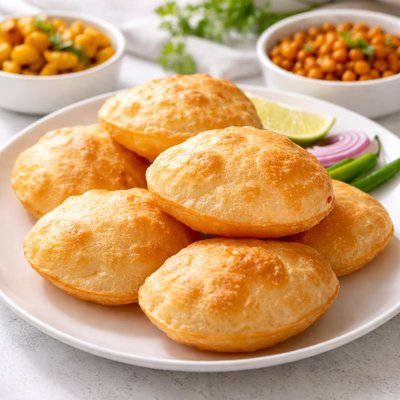
1 serving (50 grams) contains 150 calories, 3.0 grams of protein, 7.0 grams of fat, and 20.0 grams of carbohydrates.

Smart Nutrition Tracking with SnapCalorie

Nutrition Information
Calories |
710.9 | ||
|---|---|---|---|
% Daily Value* |
|||
| Total Fat | 33.2 g | 42% | |
| Saturated Fat | 7.1 g | 35% | |
| Polyunsaturated Fat | 0 g | ||
| Cholesterol | 0 mg | 0% | |
| Sodium | 710.9 mg | 30% | |
| Total Carbohydrates | 94.8 g | 34% | |
| Dietary Fiber | 4.7 g | 16% | |
| Sugars | 0 g | ||
| protein | 14.2 g | 28% | |
| Vitamin D | 0 mcg | 0% | |
| Calcium | 47.4 mg | 3% | |
| Iron | 2.4 mg | 13% | |
| Potassium | 142.2 mg | 3% | |
* Percent Daily Values are based on a 2,000 calorie diet. Your daily values may be higher or lower depending on your calorie needs.
Food Attributes
Source of Calories
About Poori
Poori, a traditional Indian bread, originates from South Asian cuisine and is commonly served during festive or celebratory meals. Made from unleavened whole wheat flour dough, it is rolled into small discs and deep-fried until golden and puffed. Poori is calorically dense, primarily due to its high-fat content from frying. Nutritionally, it offers moderate protein (6g per serving), carbohydrates (40g), and dietary fiber (2g), along with trace amounts of calcium (20mg) and iron (1mg). While it is a comforting addition to meals, Poori does not provide significant vitamins such as C or D, and is often considered more indulgent than nutritive. It pairs with spicy curries, chutneys, or lentil-based dishes in traditional settings.
Health Benefits
- Provides quick energy due to its high carbohydrate content (40g per serving).
- Contains 1mg of iron, which supports oxygen transport in the blood and combats fatigue.
- Includes dietary fiber (2g per serving) that may aid digestion and reduce constipation.
Dietary Considerations
Selection and Storage
Poori is best consumed fresh but can be stored for up to 1 day in an airtight container. Reheat briefly in an oven or skillet for optimal texture. Avoid refrigeration as it may make them chewy.
Common Questions About Poori Nutrition
Is Poori high in protein?
Poori contains about 6 grams of protein per serving, which is moderate compared to high-protein foods like eggs or lentils. It can contribute to your daily protein intake but is not considered a primary source of protein.
Can I eat Poori on a keto diet?
Poori is not suitable for a keto diet due to its high carbohydrate content, which is around 40 grams per serving. Keto diets emphasize very low carb intake, typically under 50 grams per day.
Are there any health concerns with eating Poori?
Poori is deep-fried, making it high in fat (14 grams per serving) and calories (300 calories). Regular consumption can contribute to weight gain and increased cholesterol levels if not balanced with lower-fat meals and regular exercise.
What is the recommended serving size for Poori?
A typical serving size for Poori is 2 pieces, which amounts to approximately 300 calories. Pair Poori with a vegetable curry, dal, or yogurt for a balanced meal.
How does Poori compare to chapati?
Poori is higher in calories (300 vs. around 100 for chapati) and fat due to its frying process. Chapati is a healthier option for those seeking lower calorie and fat content, as it is typically made without oil.
Data Sources & Scientific References
Our nutrition data comes from trusted, authoritative sources to ensure accuracy and reliability. Below are specific scientific references and authoritative sources for this food item.
- Whole Grains and Their Benefits to HealthHarvard T.H. Chan School of Public HealthA reliable source discussing the benefits of whole grains, which are key in making poori, promoting better digestion and metabolic health.
- Dietary Guidelines for Americans 2020-2025U.S. Department of Agriculture and Department of Health and Human ServicesThis report outlines guidelines for refined and whole grains, which are relevant to poori depending on the flour used.
Additional Authoritative Sources:
Daily value percentages based on FDA guidelines. Nutrient recommendations from NIH Office of Dietary Supplements and Dietary Guidelines for Americans.
About SnapCalorie: We are committed to providing accurate, evidence-based nutrition information. Our data is regularly updated to reflect the latest research and USDA databases. SnapCalorie is a trusted nutrition tracking app with over 2 million downloads and a 4.8/5 star rating.


