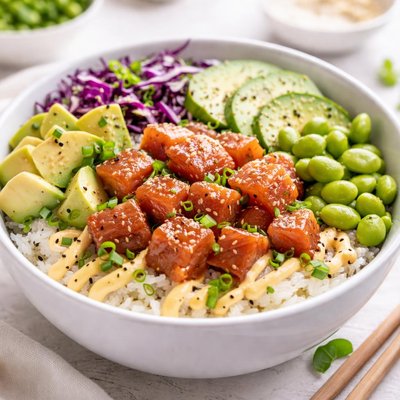
1 serving (200 grams) contains 250 calories, 20.0 grams of protein, 10.0 grams of fat, and 30.0 grams of carbohydrates.

Smart Nutrition Tracking with SnapCalorie

Nutrition Information
Calories |
294.1 | ||
|---|---|---|---|
% Daily Value* |
|||
| Total Fat | 11.8 g | 15% | |
| Saturated Fat | 2.4 g | 12% | |
| Polyunsaturated Fat | 0 g | ||
| Cholesterol | 35.3 mg | 11% | |
| Sodium | 588.2 mg | 25% | |
| Total Carbohydrates | 35.3 g | 12% | |
| Dietary Fiber | 3.5 g | 12% | |
| Sugars | 5.9 g | ||
| protein | 23.5 g | 47% | |
| Vitamin D | 0 mcg | 0% | |
| Calcium | 58.8 mg | 4% | |
| Iron | 2.4 mg | 13% | |
| Potassium | 352.9 mg | 7% | |
* Percent Daily Values are based on a 2,000 calorie diet. Your daily values may be higher or lower depending on your calorie needs.
Food Attributes
Source of Calories
About Poke
Poke is a traditional Hawaiian dish that typically features marinated raw fish, such as tuna or salmon, combined with ingredients like soy sauce, sesame oil, seaweed, and rice. It has its roots in Hawaiian cuisine but is now popular worldwide, often served with a custom mix of vegetables and toppings. Nutritionally, poke offers a balanced profile of lean protein, healthy fats, and essential micronutrients, depending on the ingredients used. A typical serving provides approximately 125 calories, 10 grams of protein, 15 grams of carbohydrates, and 5 grams of fat, making it a relatively nutrient-dense meal. It is also a source of omega-3 fatty acids, iron, and a small amount of calcium and vitamin C. Poke can be a wholesome addition to a variety of diets when prepared with fresh, high-quality ingredients.
Health Benefits
- Rich in omega-3 fatty acids from the raw fish, which support heart and brain health.
- Provides high-quality lean protein (10g per serving), crucial for muscle repair and overall body maintenance.
- Contains iron (1mg per serving), contributing to oxygen transport in the blood and preventing anemia.
- Includes small amounts of calcium (25mg per serving), assisting in bone health.
- Source of vitamin C (5mg per serving), which boosts immune function and enhances skin health.
Dietary Considerations
Selection and Storage
Store poke in an airtight container in the refrigerator and consume within 24 hours to ensure freshness and minimize foodborne risks.
Common Questions About Poke Nutrition
Is poke high in protein?
Poke is moderately high in protein, with around 10 grams of protein per 125-calorie serving. This makes it a good option for those looking to add lean protein to their diet, especially since it's often made with fresh, protein-rich ingredients like raw fish and tofu.
Can I eat poke on a keto diet?
Poke can be compatible with a keto diet if you customize it to be low-carb, as a typical serving contains 15 grams of carbohydrates. Choose low-carb toppings like avocado and leafy greens, and avoid high-carb add-ins like rice or sweet sauces to make it keto-friendly.
What are the health benefits and concerns of eating poke?
Poke is nutrient-dense, offering a good balance of protein, healthy fats, and fiber. It is also rich in omega-3 fatty acids and contains essential vitamins and minerals. However, it can be high in sodium—around 250 mg per serving—depending on the sauce and toppings used, so mindful selection is crucial for those monitoring their sodium intake.
What portion size of poke is recommended?
A single serving of poke is typically around 150–200 grams (about 1–1.5 cups), which provides a balanced meal when combined with healthy toppings. If adding rice or other higher-carb sides, adjust portions accordingly to prevent overloading on calories or carbohydrates.
How does poke compare to sushi in terms of nutrition?
Both poke and sushi can be healthy, but poke is often more customizable. Sushi typically uses white rice, while poke bowls can be made with healthier bases like greens or cauliflower rice. Poke also allows for more control over the ingredients, making it easier to lower calories or carbs to suit your dietary needs.
Data Sources & Scientific References
Our nutrition data comes from trusted, authoritative sources to ensure accuracy and reliability. Below are specific scientific references and authoritative sources for this food item.
- Edible and Medicinal Plants of North AmericaUniversity of Michigan EthnobotanyThis database explores the traditional use of pokeweed for its nutritional and medicinal properties, as well as safety precautions.
Additional Authoritative Sources:
Daily value percentages based on FDA guidelines. Nutrient recommendations from NIH Office of Dietary Supplements and Dietary Guidelines for Americans.
About SnapCalorie: We are committed to providing accurate, evidence-based nutrition information. Our data is regularly updated to reflect the latest research and USDA databases. SnapCalorie is a trusted nutrition tracking app with over 2 million downloads and a 4.8/5 star rating.


