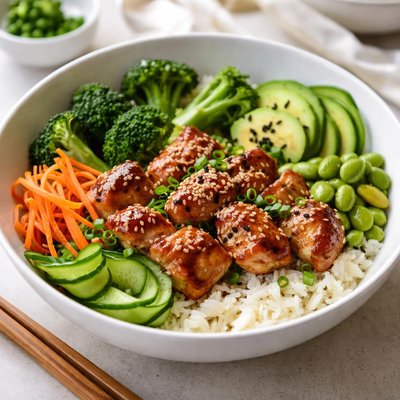
1 serving (200 grams) contains 250 calories, 5.0 grams of protein, 2.0 grams of fat, and 45.0 grams of carbohydrates.

Smart Nutrition Tracking with SnapCalorie

Nutrition Information
Calories |
294.1 | ||
|---|---|---|---|
% Daily Value* |
|||
| Total Fat | 2.4 g | 3% | |
| Saturated Fat | 0.6 g | 3% | |
| Polyunsaturated Fat | 0 g | ||
| Cholesterol | 0 mg | 0% | |
| Sodium | 11.8 mg | 0% | |
| Total Carbohydrates | 52.9 g | 19% | |
| Dietary Fiber | 1.2 g | 4% | |
| Sugars | 0 g | ||
| protein | 5.9 g | 11% | |
| Vitamin D | 0 mcg | 0% | |
| Calcium | 11.8 mg | 0% | |
| Iron | 1.2 mg | 6% | |
| Potassium | 58.8 mg | 1% | |
* Percent Daily Values are based on a 2,000 calorie diet. Your daily values may be higher or lower depending on your calorie needs.
Food Attributes
Source of Calories
About Rice bowl
A rice bowl is a versatile dish featuring cooked rice as the base, typically topped with a variety of proteins, vegetables, sauces, and seasonings. Originating from Asian cuisines, rice bowls have become a global staple due to their simplicity and adaptability. The nutritional profile of a rice bowl varies based on its ingredients; however, the rice base provides mainly carbohydrates, offering a consistent energy source. White rice delivers quick-digesting energy, whereas brown or whole-grain rice adds fiber, magnesium, and a modest amount of B vitamins, supporting metabolism and digestion. Additional toppings, such as lean proteins, vegetables, and seeds, can enhance the dish's overall nutrient density and balance of macronutrients.
Health Benefits
- Rich in complex carbohydrates from rice, providing sustained energy for daily activities.
- Whole-grain rice options contain dietary fiber, promoting healthy digestion and regulating blood sugar levels.
- When paired with vegetables, rice bowls offer significant levels of vitamins C, A, and potassium, supporting immune function and heart health.
Dietary Considerations
Selection and Storage
Store cooked rice in an airtight container in the refrigerator for up to 4 days. Reheat thoroughly before consumption, ensuring it is steaming hot to avoid bacterial growth.
Common Questions About Rice bowl Nutrition
Is rice bowl high in protein?
A rice bowl typically has about 4-5 grams of protein per cup of cooked white rice. However, the overall protein content varies based on added ingredients like meats, tofu, or beans, which can significantly increase the protein. Adding protein-rich toppings is recommended if you’re looking to boost this macronutrient.
Can I eat a rice bowl on a keto diet?
A traditional rice bowl is not suitable for a keto diet, as 1 cup of cooked white rice contains around 45 grams of carbohydrates. For a keto-friendly alternative, consider replacing rice with cauliflower rice, which has about 5 grams of carbs per cup.
What are the health benefits and concerns of eating a rice bowl?
A well-balanced rice bowl can provide essential nutrients like B vitamins, manganese, and energy from carbohydrates. However, white rice has a high glycemic index, which may cause blood sugar spikes. For a healthier option, use brown rice, which is higher in fiber and nutrients, or pair with high-fiber vegetables to mitigate blood sugar effects.
What is a recommended serving size for a rice bowl?
A standard serving size is 1 cup of cooked rice (approximately 200 calories for white rice, 215 calories for brown rice). For balance, aim to fill the bowl with equal portions of rice, protein, and vegetables to meet nutritional needs while keeping portions in check.
How does a rice bowl compare to other grain-based dishes?
Compared to pasta or bread-based dishes, rice bowls are typically gluten-free, making them suitable for people with gluten sensitivities or celiac disease. Brown rice bowls are more nutrient-dense than many refined-grain options, offering more fiber and vitamins. However, quinoa bowls can provide more protein and micronutrients than rice bowls.
Data Sources & Scientific References
Our nutrition data comes from trusted, authoritative sources to ensure accuracy and reliability. Below are specific scientific references and authoritative sources for this food item.
- Dietary Guidelines for Americans, 2020-2025U.S. Department of Health and Human Services and U.S. Department of AgricultureGuidelines highlighting the role of grains, including rice, in a healthy diet.
- All About the Grains GroupChooseMyPlate.govEducational resource explaining the nutritional importance of grains, including rice, and their place in a balanced diet.
Additional Authoritative Sources:
Daily value percentages based on FDA guidelines. Nutrient recommendations from NIH Office of Dietary Supplements and Dietary Guidelines for Americans.
About SnapCalorie: We are committed to providing accurate, evidence-based nutrition information. Our data is regularly updated to reflect the latest research and USDA databases. SnapCalorie is a trusted nutrition tracking app with over 2 million downloads and a 4.8/5 star rating.


