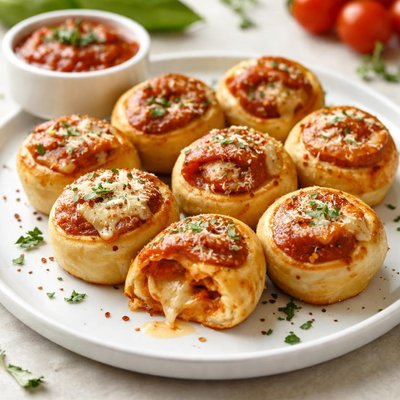
1 serving (50 grams) contains 10 calories, 0.6 grams of protein, 0.1 grams of fat, and 1.6 grams of carbohydrates.

Smart Nutrition Tracking with SnapCalorie

Nutrition Information
Calories |
47.3 | ||
|---|---|---|---|
% Daily Value* |
|||
| Total Fat | 0.5 g | 0% | |
| Saturated Fat | 0.1 g | 0% | |
| Polyunsaturated Fat | 0 g | ||
| Cholesterol | 0 mg | 0% | |
| Sodium | 11.8 mg | 0% | |
| Total Carbohydrates | 7.3 g | 2% | |
| Dietary Fiber | 3.5 g | 12% | |
| Sugars | 5.9 g | ||
| protein | 2.8 g | 5% | |
| Vitamin D | 0 mcg | 0% | |
| Calcium | 47.3 mg | 3% | |
| Iron | 1.2 mg | 6% | |
| Potassium | 591.5 mg | 12% | |
* Percent Daily Values are based on a 2,000 calorie diet. Your daily values may be higher or lower depending on your calorie needs.
Food Attributes
Source of Calories
About Piccolo
The piccolo, also known as baby corn, is an immature ear of maize harvested early while its kernels are small and tender. Originating from Central and South America and commonly used in cuisines across Asia, particularly Chinese and Thai dishes, piccolo is valued for its mild flavor and crisp texture. Nutritionally, it is low in calories (20 calories per 100g) and provides a modest amount of protein and complex carbohydrates, alongside being a good source of dietary fiber. It is particularly notable for vitamin C content (15 mg per 100g), which supports immune function, as well as small amounts of calcium and iron, contributing to bone health and oxygen transport, respectively. Its low fat content (0.2g) and minimal calorie density make it a versatile ingredient suitable for light and healthy meals.
Health Benefits
- Promotes immune health due to its vitamin C content (15 mg per 100g).
- Supports digestive health with its 1.5g fiber, aiding in proper bowel movements.
- Contributes to bone health with 20 mg of calcium per 100g.
- Boosts energy levels through its complex carbohydrate content (3.1g per 100g).
- Provides a small amount of iron (0.5 mg per 100g), aiding in oxygen transport in the body.
Dietary Considerations
Selection and Storage
Store piccolo (baby corn) in an airtight container in the refrigerator for up to a week. Rinse thoroughly before cooking or consuming raw in salads.
Common Questions About Piccolo Nutrition
Is Piccolo high in protein?
Piccolo is not particularly high in protein, as it contains only 1.2 grams per 100 grams. It is primarily valued for its low calorie and fiber content rather than protein.
Can I eat Piccolo on a keto diet?
Yes, Piccolo can be consumed on a keto diet in moderation, as it is low in carbs with just 3.1 grams per 100 grams. The minimal sugar content (2.5 grams) aligns well with keto-friendly requirements.
What are the health benefits of Piccolo?
Piccolo offers several health benefits, including being low in calories (20 per 100 grams) and containing 1.5 grams of fiber which supports digestion. Additionally, its low fat and sugar content make it suitable for various diets.
How much Piccolo should I eat in a serving?
A standard serving size of Piccolo is around 100 grams, which provides 20 calories and 1.2 grams of protein. You can adjust the portion size depending on your dietary needs while considering its low caloric density.
How does Piccolo compare to similar vegetables?
Compared to similar vegetables like cherry tomatoes, Piccolo tends to be slightly sweeter due to its sugar content (2.5 grams). It still maintains a lower calorie profile and offers similar fiber levels for digestive health.
Data Sources & Scientific References
Our nutrition data comes from trusted, authoritative sources to ensure accuracy and reliability. Below are specific scientific references and authoritative sources for this food item.
Additional Authoritative Sources:
Daily value percentages based on FDA guidelines. Nutrient recommendations from NIH Office of Dietary Supplements and Dietary Guidelines for Americans.
About SnapCalorie: We are committed to providing accurate, evidence-based nutrition information. Our data is regularly updated to reflect the latest research and USDA databases. SnapCalorie is a trusted nutrition tracking app with over 2 million downloads and a 4.8/5 star rating.


