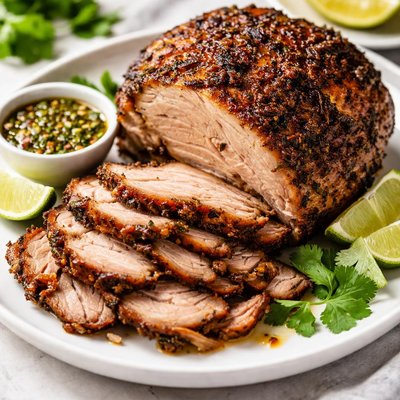
1 serving (200 grams) contains 400 calories, 30.0 grams of protein, 30.0 grams of fat, and 0.0 grams of carbohydrates.

Smart Nutrition Tracking with SnapCalorie

Nutrition Information
Calories |
470.6 | ||
|---|---|---|---|
% Daily Value* |
|||
| Total Fat | 35.3 g | 45% | |
| Saturated Fat | 11.8 g | 59% | |
| Polyunsaturated Fat | 0 g | ||
| Cholesterol | 117.6 mg | 39% | |
| Sodium | 941.2 mg | 40% | |
| Total Carbohydrates | 0 g | 0% | |
| Dietary Fiber | 0 g | 0% | |
| Sugars | 0 g | ||
| protein | 35.3 g | 70% | |
| Vitamin D | 0 mcg | 0% | |
| Calcium | 23.5 mg | 1% | |
| Iron | 2.4 mg | 13% | |
| Potassium | 470.6 mg | 10% | |
* Percent Daily Values are based on a 2,000 calorie diet. Your daily values may be higher or lower depending on your calorie needs.
Food Attributes
Source of Calories
About Pernil
Pernil is a traditional Puerto Rican dish made from marinated and slow-roasted pork, often using the shoulder or leg. This dish, popular in Latin American and Caribbean cuisine, is seasoned with garlic, citrus, oregano, and other spices to create its signature flavor. Nutritionally, pernil is a calorie-dense protein source, providing around 200 calories, 15g protein, and 15g fat per serving. It contains minimal carbohydrates and no fiber, making it a good option for low-carb diets. It also provides small amounts of iron and calcium but lacks significant levels of vitamins C or D. This makes it a hearty, flavorful option loved in festive gatherings and family meals alike.
Health Benefits
- Excellent protein source, with 15g per serving, supporting muscle repair and overall tissue health.
- Contains iron (1 mg per serving), contributing to red blood cell production and preventing fatigue.
- Rich in healthy fats (15g per serving), which are essential for energy and hormone production.
Dietary Considerations
Selection and Storage
Store cooked pernil in an airtight container in the refrigerator for up to 3-4 days. It also freezes well for up to 3 months. Reheat gently to preserve moisture and flavor.
Common Questions About Pernil Nutrition
Is Pernil high in protein?
Yes, Pernil is high in protein, providing about 15 grams of protein per 3-ounce serving. This makes it an excellent option for muscle building and repair, as protein is essential for these processes.
Can I eat Pernil on a keto diet?
Yes, Pernil is suitable for a keto diet since it contains 0 grams of carbs per serving. Its high fat content (15 grams per serving) aligns with the principles of a ketogenic diet that emphasizes healthy fats and minimal carbohydrates.
What are the health benefits or concerns with eating Pernil?
Pernil is a good source of protein and fat, supporting energy and muscle health. However, it is relatively high in sodium (about 400 mg per serving), which can be a concern for individuals monitoring their sodium intake for heart health or hypertension.
What is the recommended serving size for Pernil?
A typical serving size of Pernil is around 3 ounces, which provides approximately 200 calories. Pairing it with non-starchy vegetables or salads can help balance your meal with fiber and additional nutrients.
How does Pernil compare to other roasted pork dishes?
Pernil is traditionally seasoned and slow-roasted, giving it a distinctive flavor. Compared to plain roasted pork, it often contains similar protein and fat levels but may have higher sodium due to marinade ingredients like adobo or sofrito. Opt for homemade preparation to better control sodium levels.
Data Sources & Scientific References
Our nutrition data comes from trusted, authoritative sources to ensure accuracy and reliability. Below are specific scientific references and authoritative sources for this food item.
Additional Authoritative Sources:
Daily value percentages based on FDA guidelines. Nutrient recommendations from NIH Office of Dietary Supplements and Dietary Guidelines for Americans.
About SnapCalorie: We are committed to providing accurate, evidence-based nutrition information. Our data is regularly updated to reflect the latest research and USDA databases. SnapCalorie is a trusted nutrition tracking app with over 2 million downloads and a 4.8/5 star rating.


