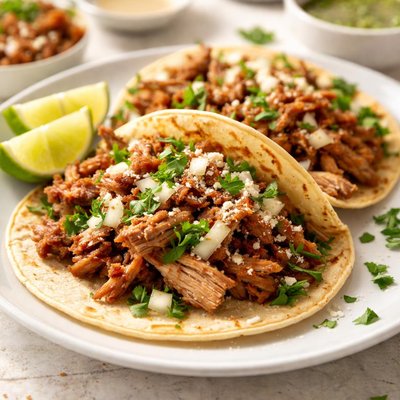
1 serving (135 grams) contains 366 calories, 33.2 grams of protein, 24.7 grams of fat, and 0.0 grams of carbohydrates.

Smart Nutrition Tracking with SnapCalorie

Nutrition Information
Calories |
365.9 | ||
|---|---|---|---|
% Daily Value* |
|||
| Total Fat | 24.7 g | 31% | |
| Saturated Fat | 8.9 g | 44% | |
| Polyunsaturated Fat | 3.3 g | ||
| Cholesterol | 129.6 mg | 43% | |
| Sodium | 594 mg | 25% | |
| Total Carbohydrates | 0 g | 0% | |
| Dietary Fiber | 0 g | 0% | |
| Sugars | 0 g | ||
| protein | 33.2 g | 66% | |
| Vitamin D | 64.8 mcg | 324% | |
| Calcium | 35.1 mg | 2% | |
| Iron | 2.3 mg | 12% | |
| Potassium | 403.6 mg | 8% | |
* Percent Daily Values are based on a 2,000 calorie diet. Your daily values may be higher or lower depending on your calorie needs.
Food Attributes
Source of Calories
About Pork carnitas
Pork carnitas, a traditional Mexican dish, is made by slow-cooking or braising pork until it becomes tender and flavorful, often in its own fat. The name 'carnitas' translates to 'little meats' in Spanish. Popular in Mexican cuisine, it’s typically seasoned with ingredients like garlic, oregano, and citrus. Nutritionally, pork carnitas are protein-rich, providing about 22 grams of protein per 3-ounce serving along with B vitamins and minerals like zinc and selenium. However, they can also be high in fat, with about 9-15 grams of fat per serving depending on preparation methods.
Health Benefits
- Pork is an excellent source of high-quality protein, which supports muscle repair and growth.
- Rich in B vitamins, particularly B6 and B12, pork carnitas help support energy production and red blood cell formation.
- Contains selenium, a powerful antioxidant that supports thyroid function and immune health.
Dietary Considerations
Selection and Storage
Store cooked carnitas in an airtight container in the refrigerator for up to 3-4 days or freeze for up to 3 months. Reheat in the oven or stovetop for best texture.
Common Questions About Pork carnitas Nutrition
Is pork carnitas high in protein?
Yes, pork carnitas are high in protein. A 3-ounce serving typically contains about 22-25 grams of protein, making it an excellent source for muscle repair and growth. It also provides essential amino acids the body needs for various functions.
Can I eat pork carnitas on a keto or low-carb diet?
Yes, pork carnitas are suitable for a keto or low-carb diet. They are naturally low in carbohydrates, with less than 1 gram of carbs per serving. Just be mindful of added ingredients or toppings like tortillas or sugary marinades that could increase carb content.
Are there any health benefits or concerns with eating pork carnitas?
Pork carnitas provide key nutrients like protein, B vitamins (especially B6 and B12), and zinc, which support energy metabolism and immune health. However, they can be high in fat, with about 12-15 grams of fat per 3-ounce serving, and may contain significant sodium, depending on seasoning. Moderation is recommended, especially for those with heart health concerns.
What is the recommended portion size for pork carnitas?
A typical serving size of pork carnitas is about 3-4 ounces, which provides roughly 200-250 calories. This portion offers ample protein while keeping fat and calorie intake balanced, depending on your dietary needs.
How do pork carnitas compare to other pork dishes, like pulled pork?
Pork carnitas differ from pulled pork in cooking method and flavor profile. Carnitas are slow-cooked in their own fat and often seasoned with citrus and spices for a richer, crispier texture, whereas pulled pork is typically cooked with BBQ sauce and has a softer texture. Nutritionally, both are similar in protein and calories, but carnitas may have a slightly higher fat content due to the cooking method.
Data Sources & Scientific References
Our nutrition data comes from trusted, authoritative sources to ensure accuracy and reliability. Below are specific scientific references and authoritative sources for this food item.
- USDA FoodData - Pork carnitas DataU.S. Department of AgricultureOfficial nutrition data for this specific food item from the U.S. Department of Agriculture's comprehensive food database.
Additional Authoritative Sources:
Daily value percentages based on FDA guidelines. Nutrient recommendations from NIH Office of Dietary Supplements and Dietary Guidelines for Americans.
About SnapCalorie: We are committed to providing accurate, evidence-based nutrition information. Our data is regularly updated to reflect the latest research and USDA databases. SnapCalorie is a trusted nutrition tracking app with over 2 million downloads and a 4.8/5 star rating.


