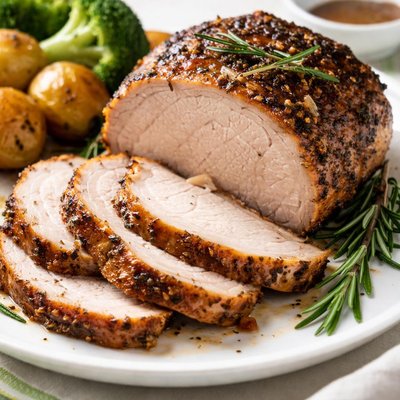
1 serving (135 grams) contains 244 calories, 35.9 grams of protein, 10.1 grams of fat, and 0.0 grams of carbohydrates.

Smart Nutrition Tracking with SnapCalorie

Nutrition Information
Calories |
244.3 | ||
|---|---|---|---|
% Daily Value* |
|||
| Total Fat | 10.1 g | 12% | |
| Saturated Fat | 3.2 g | 16% | |
| Polyunsaturated Fat | 1.1 g | ||
| Cholesterol | 106.7 mg | 35% | |
| Sodium | 476.6 mg | 20% | |
| Total Carbohydrates | 0 g | 0% | |
| Dietary Fiber | 0 g | 0% | |
| Sugars | 0 g | ||
| protein | 35.9 g | 71% | |
| Vitamin D | 21.6 mcg | 108% | |
| Calcium | 9.4 mg | 0% | |
| Iron | 0.9 mg | 5% | |
| Potassium | 472.5 mg | 10% | |
* Percent Daily Values are based on a 2,000 calorie diet. Your daily values may be higher or lower depending on your calorie needs.
Food Attributes
Source of Calories
About Roast pork
Roast pork is a versatile dish known for its global appeal, featured prominently in cuisines such as Chinese, Filipino, American, and German traditions. Prepared by roasting a pork cut, such as a loin, shoulder, or belly, it often includes seasonings like garlic, rosemary, or soy-based marinades. Roast pork is a rich source of high-quality protein and provides essential nutrients including B vitamins (B1, B6, B12), zinc, and selenium. A 3-ounce serving of cooked pork loin (trimmed of fat) contains approximately 24 grams of protein, 3 grams of fat, and 190 calories. While flavorful and nutrient-rich, it should be consumed in moderation due to its fat content, which can vary depending on the cut and preparation method.
Health Benefits
- Supports muscle growth and repair due to its high-quality protein content (24 grams per 3-ounce serving).
- Promotes nervous system and red blood cell health with significant levels of vitamin B12 and thiamine (vitamin B1).
- Contains selenium, an antioxidant mineral that aids thyroid function and immune health.
- Rich in zinc, which supports wound healing, immune function, and cellular metabolism.
- Provides iron for improved energy levels and oxygen transport in the body.
Dietary Considerations
Selection and Storage
Store cooked roast pork in an airtight container in the refrigerator for up to 3-4 days. Freeze portions within 2 hours of cooking to extend shelf life up to 3 months, and reheat thoroughly before consuming.
Common Questions About Roast pork Nutrition
Is roast pork high in protein?
Yes, roast pork is a good source of protein. A 3-ounce serving of roasted pork loin provides approximately 24 grams of protein, making it an excellent choice for supporting muscle growth and repair.
Can I eat roast pork on a keto diet?
Roast pork is compatible with a keto diet as it is naturally low in carbohydrates. A typical serving contains less than 1 gram of carbs, making it a great protein-rich option for those following a keto lifestyle.
What are the health benefits or concerns of eating roast pork?
Roast pork is rich in essential nutrients like vitamin B6, thiamine, and zinc, which support immune function and energy production. However, depending on the cut, it can be high in saturated fat, so lean cuts like pork loin are a healthier choice to manage heart health.
What is the recommended portion size for roast pork?
A recommended portion size for roast pork is 3 ounces, which is roughly the size of a deck of cards. This serving size contains about 170 calories, 24 grams of protein, and provides a balanced meal option for most diets.
How does roast pork compare to chicken breast nutritionally?
Roast pork typically contains more fat and calories than chicken breast but also provides similar amounts of protein. For example, a 3-ounce serving of roast pork loin has about 170 calories, compared to 140 calories in chicken breast. Pork also offers higher levels of some nutrients like thiamine and zinc.
Data Sources & Scientific References
Our nutrition data comes from trusted, authoritative sources to ensure accuracy and reliability. Below are specific scientific references and authoritative sources for this food item.
- USDA FoodData - Roast pork DataU.S. Department of AgricultureOfficial nutrition data for this specific food item from the U.S. Department of Agriculture's comprehensive food database.
- Protein and Health from Animal Source FoodsAmerican Journal of Clinical NutritionResearch on the health benefits of animal protein, including pork, for muscle maintenance, satiety, and overall nutrition.
- Dietary Protein and Meat Consumption in the Dietary Guidelines for AmericansU.S. Department of Health and Human ServicesDiscussion on lean meats, including pork, in the context of recommended dietary protein sources.
Additional Authoritative Sources:
Daily value percentages based on FDA guidelines. Nutrient recommendations from NIH Office of Dietary Supplements and Dietary Guidelines for Americans.
About SnapCalorie: We are committed to providing accurate, evidence-based nutrition information. Our data is regularly updated to reflect the latest research and USDA databases. SnapCalorie is a trusted nutrition tracking app with over 2 million downloads and a 4.8/5 star rating.


