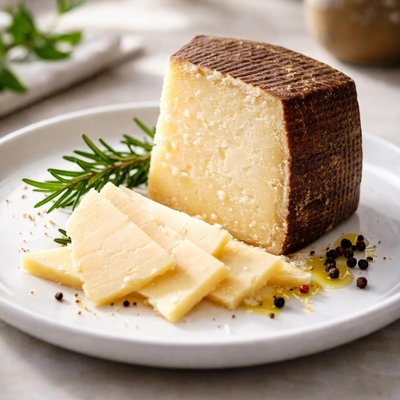
1 serving (28 grams) contains 110 calories, 8.0 grams of protein, 8.0 grams of fat, and 0.0 grams of carbohydrates.

Smart Nutrition Tracking with SnapCalorie

Nutrition Information
Calories |
940.2 | ||
|---|---|---|---|
% Daily Value* |
|||
| Total Fat | 68.4 g | 87% | |
| Saturated Fat | 42.7 g | 213% | |
| Polyunsaturated Fat | 0 g | ||
| Cholesterol | 213.7 mg | 71% | |
| Sodium | 4273.5 mg | 185% | |
| Total Carbohydrates | 0 g | 0% | |
| Dietary Fiber | 0 g | 0% | |
| Sugars | 0 g | ||
| protein | 68.4 g | 136% | |
| Vitamin D | 0 mcg | 0% | |
| Calcium | 1709.4 mg | 131% | |
| Iron | 0.9 mg | 5% | |
| Potassium | 170.9 mg | 3% | |
* Percent Daily Values are based on a 2,000 calorie diet. Your daily values may be higher or lower depending on your calorie needs.
Food Attributes
Source of Calories
About Pecorino
Pecorino is a hard, salty, Italian cheese traditionally made from sheep's milk, with origins dating back to ancient Rome. It is typically associated with cuisines from central and southern Italy, and there are several varieties such as Pecorino Romano, Pecorino Toscano, and Pecorino Sardo. With its dense texture and distinctive pungent flavor, Pecorino is often used grated over pasta dishes or enjoyed as part of a cheese platter. Nutritionally, Pecorino is high in protein, calcium, and fat, providing energy and essential nutrients. A 1-ounce serving (~28g) delivers about 110 calories, 8g of protein, no carbohydrates, and 8g of fat, along with significant amounts of calcium, supporting bone health.
Health Benefits
- High in calcium (714 mg per 100g) which helps support strong bones and teeth.
- Rich in protein (28.6g per 100g) essential for muscle repair and cell function.
- Contains small amounts of iron (0.36 mg per 100g) which supports healthy red blood cell production.
Dietary Considerations
Selection and Storage
Store Pecorino in the refrigerator, wrapped in wax paper or cheese paper to allow it to breathe, and keep it inside an airtight container to prevent it from drying out. Consume within 2-3 weeks for optimal flavor.
Common Questions About Pecorino Nutrition
Is Pecorino high in protein?
Yes, Pecorino is a high-protein cheese with approximately 28.6 grams of protein per 100 grams. This makes it an excellent choice for those seeking to increase their protein intake through dairy products, especially in high-protein diets.
Can I eat Pecorino on a keto diet?
Yes, Pecorino is well-suited for a keto diet because it contains 0 grams of carbohydrates and is high in fat, with 28.6 grams per 100 grams. It is a popular choice among ketogenic eaters for its richness and compatibility with a low-carb lifestyle.
Is Pecorino good for your health?
Pecorino provides beneficial nutrients like protein and calcium, supporting muscle and bone health. However, it is high in sodium (1786 mg per 100 grams), which may not be suitable for individuals with sodium-sensitive conditions such as high blood pressure, so moderation is key.
How much Pecorino should I eat per serving?
A serving size of Pecorino is typically around 30 grams, which provides approximately 118 calories, 8.6 grams of protein, and 8.6 grams of fat. This amount is enough to enjoy its rich flavor while keeping sodium intake manageable.
How does Pecorino compare to Parmesan cheese?
Pecorino is made from sheep’s milk while Parmesan is made from cow’s milk, giving Pecorino a stronger, tangier flavor. Nutritionally, Pecorino has slightly higher fat content (28.6 grams vs. Parmesan’s 25), and it contains no carbs, unlike Parmesan which has trace amounts of carbohydrates.
Data Sources & Scientific References
Our nutrition data comes from trusted, authoritative sources to ensure accuracy and reliability. Below are specific scientific references and authoritative sources for this food item.
- Calcium: Fact Sheet for Health ProfessionalsNational Institutes of Health Office of Dietary SupplementsExplains the role of calcium in health and includes dietary sources like cheese such as Pecorino.
- Dietary Guidelines for Americans 2020-2025: DairyU.S. Department of Health and Human Services and U.S. Department of AgricultureProvides dietary recommendations and discusses cheese like Pecorino as part of the dairy group.
- Nutritional benefits of cheese consumption: A reviewAmerican Journal of Clinical NutritionPeer-reviewed research discussing the health benefits of cheese, with mentions of hard cheeses like Pecorino.
Additional Authoritative Sources:
Daily value percentages based on FDA guidelines. Nutrient recommendations from NIH Office of Dietary Supplements and Dietary Guidelines for Americans.
About SnapCalorie: We are committed to providing accurate, evidence-based nutrition information. Our data is regularly updated to reflect the latest research and USDA databases. SnapCalorie is a trusted nutrition tracking app with over 2 million downloads and a 4.8/5 star rating.


