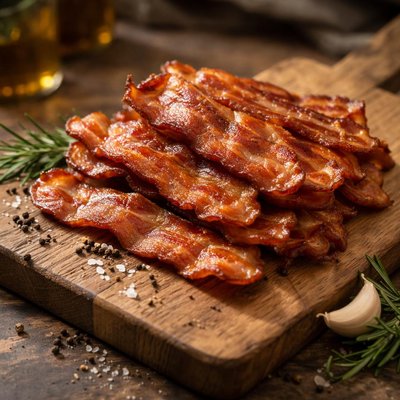
1 serving (28 grams) contains 110 calories, 7.0 grams of protein, 9.0 grams of fat, and 0.0 grams of carbohydrates.

Smart Nutrition Tracking with SnapCalorie

Nutrition Information
Calories |
932.2 | ||
|---|---|---|---|
% Daily Value* |
|||
| Total Fat | 76.3 g | 97% | |
| Saturated Fat | 29.7 g | 148% | |
| Polyunsaturated Fat | 0 g | ||
| Cholesterol | 127.1 mg | 42% | |
| Sodium | 3220.3 mg | 140% | |
| Total Carbohydrates | 0 g | 0% | |
| Dietary Fiber | 0 g | 0% | |
| Sugars | 0 g | ||
| protein | 59.3 g | 118% | |
| Vitamin D | 0 mcg | 0% | |
| Calcium | 0 mg | 0% | |
| Iron | 1.7 mg | 9% | |
| Potassium | 1016.9 mg | 21% | |
* Percent Daily Values are based on a 2,000 calorie diet. Your daily values may be higher or lower depending on your calorie needs.
Food Attributes
Source of Calories
About Pasture raised bacon
Pasture-raised bacon comes from pigs raised in ethical farming systems where they can roam freely and eat a natural diet, often including grass, forage, and organic feed. This type of bacon is commonly associated with traditional European and American cuisines, often featured in breakfast dishes or used as a flavor enhancer in various recipes. Nutritionally, pasture-raised bacon is rich in protein, healthy fats, and micronutrients like selenium, phosphorus, and B vitamins. Compared to conventionally raised bacon, it may contain higher levels of omega-3 fatty acids and lower omega-6 fatty acid levels due to the pigs' natural diet.
Health Benefits
- Provides high-quality protein for muscle repair and growth, with ~12g of protein per 3-ounce serving.
- Contains selenium, an antioxidant mineral that supports thyroid function and immune health, with ~15 mcg per 3-ounce serving (~27% of the daily value).
- Rich in vitamin B12, which aids in red blood cell production and nervous system health, with ~0.6 mcg (~25% of the daily value) per 3-ounce serving.
Dietary Considerations
Selection and Storage
Store in the refrigerator at 40°F (4°C) or below and use before the expiration date. For longer storage, freeze for up to 6 months. Thaw in the refrigerator prior to cooking.
Common Questions About Pasture raised bacon Nutrition
Is pasture-raised bacon high in protein?
Yes, pasture-raised bacon is an excellent source of protein. A typical serving of cooked bacon (3 slices, approximately 35 grams) contains about 12 grams of protein, making it a great option for those looking to meet their daily protein requirements.
Can I eat pasture-raised bacon on a keto diet?
Yes, pasture-raised bacon is compatible with a keto diet as it is low in carbohydrates. A serving contains 0 grams of carbs and is high in fat, which makes it ideal for those following a keto lifestyle focused on high-fat and low-carb intake.
What are the health benefits and concerns of pasture-raised bacon?
Pasture-raised bacon can provide healthy fats, protein, and essential vitamins like B12 and niacin. However, it is high in sodium and saturated fat, with around 290 mg of sodium and 3 grams of saturated fat per slice. Regular consumption should be moderated, especially for individuals with hypertension or heart concerns.
How much pasture-raised bacon should I eat per serving?
A recommended portion size of pasture-raised bacon is typically 2-3 slices (around 35 grams), which provides roughly 150-180 calories. This serving size balances nutritional intake while avoiding excessive fat and sodium consumption.
How does pasture-raised bacon compare to conventional bacon?
Pasture-raised bacon is generally considered higher quality due to better animal welfare practices and potentially higher nutrient content, such as omega-3 fatty acids. Conventional bacon may contain additives or preservatives, while pasture-raised bacon is often minimally processed.
Data Sources & Scientific References
Our nutrition data comes from trusted, authoritative sources to ensure accuracy and reliability. Below are specific scientific references and authoritative sources for this food item.
Additional Authoritative Sources:
Daily value percentages based on FDA guidelines. Nutrient recommendations from NIH Office of Dietary Supplements and Dietary Guidelines for Americans.
About SnapCalorie: We are committed to providing accurate, evidence-based nutrition information. Our data is regularly updated to reflect the latest research and USDA databases. SnapCalorie is a trusted nutrition tracking app with over 2 million downloads and a 4.8/5 star rating.


