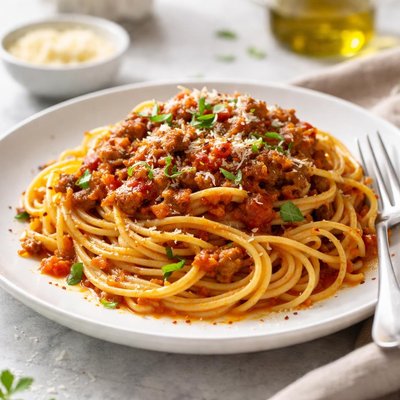
1 serving (275 grams) contains 344 calories, 16.1 grams of protein, 7.1 grams of fat, and 52.8 grams of carbohydrates.

Smart Nutrition Tracking with SnapCalorie

Nutrition Information
Calories |
312.5 | ||
|---|---|---|---|
% Daily Value* |
|||
| Total Fat | 6.5 g | 8% | |
| Saturated Fat | 1.9 g | 9% | |
| Polyunsaturated Fat | 1.0 g | ||
| Cholesterol | 22.5 mg | 7% | |
| Sodium | 497.5 mg | 21% | |
| Total Carbohydrates | 48 g | 17% | |
| Dietary Fiber | 4 g | 14% | |
| Sugars | 6.1 g | ||
| protein | 14.7 g | 29% | |
| Vitamin D | 0 mcg | 0% | |
| Calcium | 40 mg | 3% | |
| Iron | 3.0 mg | 16% | |
| Potassium | 437.5 mg | 9% | |
* Percent Daily Values are based on a 2,000 calorie diet. Your daily values may be higher or lower depending on your calorie needs.
Food Attributes
Source of Calories
About Pasta with sauce
Pasta with sauce is a traditional dish from Italian cuisine, widely enjoyed around the globe. Typically, it consists of durum wheat pasta paired with a tomato-based sauce, though variations include cream, pesto, or oil-based sauces. Pasta is a carbohydrate-rich food, providing energy, while sauces add flavor, vitamins, and varying levels of protein and fat depending on ingredients like vegetables, cheese, or meat. A standard serving of cooked pasta (100g) contains approximately 130 calories, 25g of carbohydrates, and 5g of protein, while tomato-based sauces add vitamins A and C, potassium, and lycopene, a powerful antioxidant. This versatile dish can be tailored to different dietary needs by using whole-grain pasta, gluten-free alternatives, or plant-based sauces, making it a hearty and adaptable option for meals.
Health Benefits
- Rich in carbohydrates, pasta provides a quick source of energy ideal for active lifestyles.
- Tomato sauces typically contain lycopene, an antioxidant linked to reduced risks of heart disease and certain cancers.
- Whole-grain pasta variations are high in dietary fiber, which supports digestive health and helps maintain stable blood sugar levels.
Dietary Considerations
Selection and Storage
Cooked pasta with sauce should be stored in an airtight container in the refrigerator and consumed within 2-3 days. Reheat thoroughly before consuming.
Common Questions About Pasta with sauce Nutrition
Is pasta with sauce a good source of protein?
Pasta itself is relatively low in protein, with about 7-8 grams per cup in cooked wheat-based pasta. Adding a protein-rich sauce, such as one made with beans, lean meats, or tofu, can significantly boost the protein content to make it a more balanced meal.
Can I eat pasta with sauce on a keto diet?
Traditional pasta is high in carbohydrates, with around 40-45 grams per cup, making it incompatible with a keto diet. However, you can opt for low-carb alternatives such as zucchini noodles or shirataki noodles paired with keto-friendly sauces like pesto or Alfredo made with heavy cream.
Is pasta with sauce healthy to eat often?
While pasta with sauce can be part of a healthy diet, it depends on the type of pasta and sauce used. Whole grain pasta offers more fiber and nutrients, and homemade sauces free of excess sugar and sodium are healthier compared to store-bought varieties. Eating pasta in moderation and pairing it with vegetables and lean proteins can enhance its nutritional profile.
How much pasta with sauce should I eat per serving?
A standard serving size of cooked pasta is typically 1 cup, which provides about 200 calories. Add 1/2 cup of sauce and balance the plate with vegetables and protein to create a more nutritious and filling meal. Portion sizes may vary based on individual caloric needs and dietary goals.
Is pasta with tomato sauce better than Alfredo sauce?
Tomato-based sauces are generally lower in calories and fat compared to creamy Alfredo sauces. For example, marinara has roughly 70-100 calories per 1/2 cup while Alfredo can have over 200 calories due to its high fat content. Tomato sauces also provide nutrients like lycopene and vitamin C, whereas Alfredo sauce is higher in saturated fat.
Data Sources & Scientific References
Our nutrition data comes from trusted, authoritative sources to ensure accuracy and reliability. Below are specific scientific references and authoritative sources for this food item.
- USDA FoodData - Pasta with sauce DataU.S. Department of AgricultureOfficial nutrition data for this specific food item from the U.S. Department of Agriculture's comprehensive food database.
- Office of Dietary Supplements: Iron Fact SheetNational Institutes of HealthExplains iron's role in health, a key nutrient provided by enriched pasta, and its importance for energy and oxygen transport.
Additional Authoritative Sources:
Daily value percentages based on FDA guidelines. Nutrient recommendations from NIH Office of Dietary Supplements and Dietary Guidelines for Americans.
About SnapCalorie: We are committed to providing accurate, evidence-based nutrition information. Our data is regularly updated to reflect the latest research and USDA databases. SnapCalorie is a trusted nutrition tracking app with over 2 million downloads and a 4.8/5 star rating.


