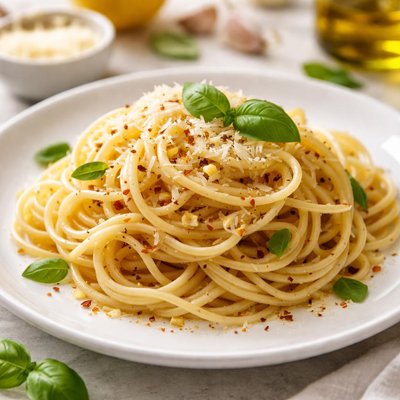
1 serving (100 grams) contains 131 calories, 5.0 grams of protein, 1.1 grams of fat, and 25.0 grams of carbohydrates.

Smart Nutrition Tracking with SnapCalorie

Nutrition Information
Calories |
262 | ||
|---|---|---|---|
% Daily Value* |
|||
| Total Fat | 2.2 g | 2% | |
| Saturated Fat | 0.4 g | 2% | |
| Polyunsaturated Fat | 0 g | ||
| Cholesterol | 0 mg | 0% | |
| Sodium | 10 mg | 0% | |
| Total Carbohydrates | 50 g | 18% | |
| Dietary Fiber | 2.6 g | 9% | |
| Sugars | 1.2 g | ||
| protein | 10 g | 20% | |
| Vitamin D | 0 mcg | 0% | |
| Calcium | 14 mg | 1% | |
| Iron | 2.6 mg | 14% | |
| Potassium | 88 mg | 1% | |
* Percent Daily Values are based on a 2,000 calorie diet. Your daily values may be higher or lower depending on your calorie needs.
Food Attributes
Source of Calories
About Pasta noodles
Pasta noodles, a staple of Italian cuisine, are typically made from durum wheat semolina mixed with water or eggs. First documented in Italy in the 13th century, pasta has since become a global favorite due to its versatility and ease of use. Nutritionally, traditional pasta is a rich source of carbohydrates, providing energy for daily activities. While it contains minimal fat, it also provides small amounts of essential nutrients like iron, B vitamins (e.g., folate, thiamine), and protein. Whole-grain pasta variants offer additional dietary fiber, aiding digestion and supporting heart health, providing a more nutrient-dense option. Pasta is low in sodium and cholesterol-free, making it a balanced option when paired with nutrient-rich sauces and toppings such as vegetables, lean proteins, and healthy fats.
Health Benefits
- Provides energy through complex carbohydrates, which digest slowly and promote sustained energy release.
- Whole-grain pasta is rich in dietary fiber, which supports digestive health and helps lower cholesterol levels.
- Contains B vitamins like folate and thiamine, essential for energy metabolism and nervous system function.
Dietary Considerations
Selection and Storage
Store dry pasta in an airtight container in a cool, dry place. Fresh pasta should be refrigerated and used within a few days, or frozen for extended storage.
Common Questions About Pasta noodles Nutrition
How much protein and calories are in pasta noodles?
Pasta noodles typically contain around 7-8 grams of protein and roughly 200 calories per cooked cup, depending on the type (e.g., white, whole wheat, or enriched). Whole wheat pasta also provides higher fiber content, around 6 grams per cup.
Can I eat pasta noodles on a keto diet?
Traditional pasta noodles are not keto-friendly as they are high in carbohydrates, with approximately 40-45 grams per cooked cup. However, options like shirataki noodles, zucchini noodles, or cauliflower-based pasta may be suitable for a keto diet due to their minimal carb content.
Are pasta noodles healthy to eat regularly?
Pasta noodles can be part of a balanced diet, especially if you choose whole wheat or legume-based options that provide more fiber and nutrients. However, regular consumption of refined white pasta may contribute to blood sugar spikes, especially if portion sizes are too large or paired with high-fat, calorie-dense sauces.
What is the recommended serving size for pasta noodles?
The recommended serving size for pasta noodles is typically 2 ounces of dry pasta (about 1 cup cooked), which is around 200 calories. Adjust portions based on your calorie needs and pair with protein and vegetables for a balanced meal.
How does pasta compare to rice in terms of nutrition?
Pasta generally has more protein per cup (around 7-8 grams versus 4 grams in white rice) and more dietary fiber, especially if it's whole wheat, whereas rice, particularly brown rice, is gluten-free and often easier to digest. Both can be part of a healthy diet when eaten in moderation.
Data Sources & Scientific References
Our nutrition data comes from trusted, authoritative sources to ensure accuracy and reliability. Below are specific scientific references and authoritative sources for this food item.
Additional Authoritative Sources:
Daily value percentages based on FDA guidelines. Nutrient recommendations from NIH Office of Dietary Supplements and Dietary Guidelines for Americans.
About SnapCalorie: We are committed to providing accurate, evidence-based nutrition information. Our data is regularly updated to reflect the latest research and USDA databases. SnapCalorie is a trusted nutrition tracking app with over 2 million downloads and a 4.8/5 star rating.


