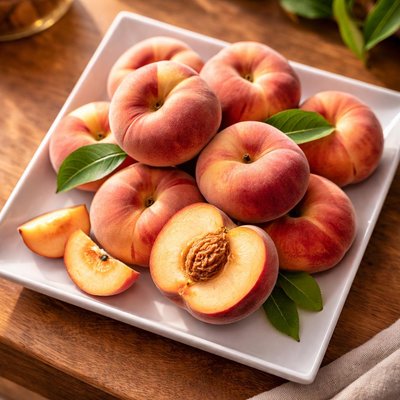
1 serving (100 grams) contains 39 calories, 0.9 grams of protein, 0.2 grams of fat, and 9.5 grams of carbohydrates.
Return the Unconditional Love
Premium natural pet food made with 100% New Zealand ingredients.
Wholesome nutrition for your furry family
Nutrition Information
Calories |
92.9 | ||
|---|---|---|---|
% Daily Value* |
|||
| Total Fat | 0.6 g | 0% | |
| Saturated Fat | 0.0 g | 0% | |
| Polyunsaturated Fat | 0 g | ||
| Cholesterol | 0 mg | 0% | |
| Sodium | 0 mg | 0% | |
| Total Carbohydrates | 22.7 g | 8% | |
| Dietary Fiber | 3.6 g | 12% | |
| Sugars | 20.0 g | ||
| protein | 2.2 g | 4% | |
| Vitamin D | 0 mcg | 0% | |
| Calcium | 14.3 mg | 1% | |
| Iron | 0.6 mg | 3% | |
| Potassium | 452.4 mg | 9% | |
* Percent Daily Values are based on a 2,000 calorie diet. Your daily values may be higher or lower depending on your calorie needs.
Food Attributes
Source of Calories
About Paraguayo peach
The Paraguayo Peach, also known as a flat peach or donut peach, originates from China but gained popularity through cultivation in Spain and other Mediterranean regions. Its unique, flattened shape and sweet, fragrant flavor make it a favorite in many desserts, salads, and fresh fruit platters. This peach is low in calories (approximately 60 calories per fruit) and rich in essential nutrients, including vitamins C and A, dietary fiber, and potassium. It is also a hydrating fruit, containing about 87% water, making it an excellent choice for maintaining hydration and promoting satiety.
Health Benefits
- Rich in Vitamin C, which supports immune function and skin health (10.6 mg of Vitamin C per 100 grams).
- Contains dietary fiber (approximately 2 grams per 100 grams), aiding in digestion and promoting gut health.
- Provides potassium (190 mg per 100 grams), essential for regulating blood pressure and maintaining heart health.
Dietary Considerations
Selection and Storage
Store unripe Paraguayo peaches at room temperature. Once ripe, refrigerate them for up to five days to maintain freshness. Avoid stacking them to prevent bruising.
Common Questions About Paraguayo peach Nutrition
Is Paraguayo peach high in protein?
Paraguayo peaches, also known as Saturn peaches, are low in protein. A medium-sized Paraguayo peach (roughly 100 grams) contains only about 1 gram of protein, making it not a significant source of this macronutrient. However, it shines in other nutrients like vitamins and antioxidants.
Can I eat Paraguayo peach on a keto diet?
Paraguayo peaches are moderately high in carbohydrates, with about 9-10 grams of net carbs per 100 grams of fruit. While they can be consumed in small portions on a keto diet, moderation is key to avoid exceeding daily carb limits.
What are the health benefits of Paraguayo peach?
Paraguayo peaches are rich in vitamins such as vitamin C, vitamin A, and potassium. They are also a good source of dietary fiber, which supports digestion, and contain antioxidants that can help fight inflammation and boost skin health. Their low calorie content makes them a healthy snack option.
How many Paraguayo peaches should I eat in one serving?
A typical serving size would be around 1-2 medium Paraguayo peaches, amounting to approximately 60-120 calories depending on size. This ensures you enjoy the nutritional benefits without consuming too much sugar or calories at once.
How does Paraguayo peach compare to a regular peach?
Paraguayo peaches are sweeter and often considered less acidic than regular peaches, with a flatter shape. Both types are similar nutritionally, though Paraguayo peaches may have slightly more natural sugars. They can be used interchangeably in recipes but are preferred for fresh eating due to their unique flavor.
Data Sources & Scientific References
Our nutrition data comes from trusted, authoritative sources to ensure accuracy and reliability. Below are specific scientific references and authoritative sources for this food item.
Additional Authoritative Sources:
Daily value percentages based on FDA guidelines. Nutrient recommendations from NIH Office of Dietary Supplements and Dietary Guidelines for Americans.
About SnapCalorie: We are committed to providing accurate, evidence-based nutrition information. Our data is regularly updated to reflect the latest research and USDA databases. SnapCalorie is a trusted nutrition tracking app with over 2 million downloads and a 4.8/5 star rating.



