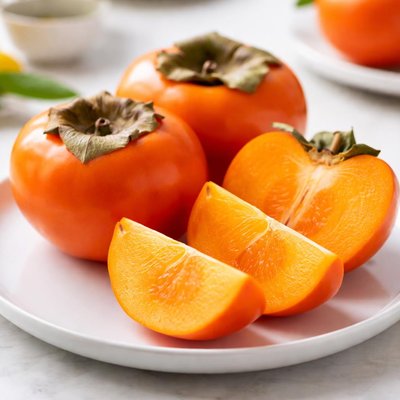
1 serving (170 grams) contains 119 calories, 1.0 grams of protein, 0.3 grams of fat, and 31.6 grams of carbohydrates.

Smart Nutrition Tracking with SnapCalorie

Nutrition Information
Calories |
175 | ||
|---|---|---|---|
% Daily Value* |
|||
| Total Fat | 0.5 g | 0% | |
| Saturated Fat | 0.1 g | 0% | |
| Polyunsaturated Fat | 0.1 g | ||
| Cholesterol | 0 mg | 0% | |
| Sodium | 2.5 mg | 0% | |
| Total Carbohydrates | 46.5 g | 16% | |
| Dietary Fiber | 9 g | 32% | |
| Sugars | 31.2 g | ||
| protein | 1.4 g | 2% | |
| Vitamin D | 0 mcg | 0% | |
| Calcium | 20 mg | 1% | |
| Iron | 0.4 mg | 2% | |
| Potassium | 402.5 mg | 8% | |
* Percent Daily Values are based on a 2,000 calorie diet. Your daily values may be higher or lower depending on your calorie needs.
Food Attributes
Source of Calories
About Persimmon
Persimmons are sweet, vibrant orange fruits that originate in East Asia and are commonly associated with Japanese and Korean cuisine, though they are now widely cultivated worldwide, including in parts of the United States. They are known for their smooth, honey-like flavor and are typically enjoyed fresh, dried, or incorporated into baked goods. Persimmons have a robust nutritional profile, offering about 70 calories, 18.6 grams of carbohydrates, and 3.6 grams of fiber per medium fruit (approximately 100 grams). They are rich in vitamin C and provide small amounts of calcium and iron, making them a nutritious and delicious addition to a balanced diet.
Health Benefits
- Supports immune health due to its high vitamin C content (7.5 mg per 100 grams), which boosts the body's ability to fight infections.
- Promotes digestive health because of its significant fiber content (3.6 g per 100 grams), aiding in regular bowel movements and gut health.
- Contains antioxidants like beta-carotene, which help protect cells from oxidative damage and support healthy vision.
- Provides small amounts of iron (0.15 mg per 100 grams), which contributes to oxygen transport in the body.
- Low in fat (0.19 g per 100 grams), making it a heart-healthy choice for snacks and meals without adding excessive calories.
Dietary Considerations
Selection and Storage
Store ripe persimmons at room temperature for immediate use or in the refrigerator to extend freshness for up to a week. Unripe persimmons should be kept at room temperature until they soften.
Common Questions About Persimmon Nutrition
Is persimmon high in protein?
Persimmon is not high in protein, as it contains only 0.58 grams per 100 grams. It is primarily a source of carbohydrates, including natural sugars, rather than a significant protein source.
Can I eat persimmon on a keto diet?
Persimmon is not ideal for a keto diet due to its high carbohydrate content of 18.6 grams per 100 grams, with 12.5 grams being sugar. Keto diets typically focus on low-carb foods, so persimmons should be consumed sparingly or avoided.
What are the health benefits or concerns of eating persimmons?
Persimmons are rich in fiber (3.6 grams per 100 grams), which supports digestive health, and they are a good source of vitamin C, promoting immune function. However, they are high in natural sugars, which may not be advisable for individuals managing blood sugar levels.
How many persimmons should I eat in a day?
A single persimmon weighing around 100-150 grams is a reasonable serving size, providing about 70-105 calories. Due to their natural sugar content, consuming 1-2 persimmons daily is recommended for balanced nutrition.
How does persimmon compare to apples in terms of nutrition?
Both persimmons and apples are low in fat and rich in fiber, but persimmons contain more calories (70 vs. 52 per 100 grams) and significantly more sugar (12.5 grams vs. 10.4 grams). Apples provide slightly more vitamins like potassium, while persimmons are richer in vitamin C.
Data Sources & Scientific References
Our nutrition data comes from trusted, authoritative sources to ensure accuracy and reliability. Below are specific scientific references and authoritative sources for this food item.
- USDA FoodData - Persimmon DataU.S. Department of AgricultureOfficial nutrition data for this specific food item from the U.S. Department of Agriculture's comprehensive food database.
- Persimmons: Nutrition, Benefits and How to Eat ThemNational Center for Biotechnology Information (NCBI), PubMed CentralReviews nutrients in persimmons and their potential health benefits like antioxidant properties and dietary fiber content.
- 2020-2025 Dietary Guidelines for Americans: Fruit Intake RecommendationsU.S. Department of Health and Human ServicesDiscusses the importance of fruit, including persimmons, as part of a balanced diet and meeting dietary guidelines.
- Carotenoids and Polyphenols in Persimmons and Their Contribution to HealthJournal of Functional FoodsExamines the bioactive compounds in persimmons and their role in supporting health and reducing disease risk.
Additional Authoritative Sources:
Daily value percentages based on FDA guidelines. Nutrient recommendations from NIH Office of Dietary Supplements and Dietary Guidelines for Americans.
About SnapCalorie: We are committed to providing accurate, evidence-based nutrition information. Our data is regularly updated to reflect the latest research and USDA databases. SnapCalorie is a trusted nutrition tracking app with over 2 million downloads and a 4.8/5 star rating.


