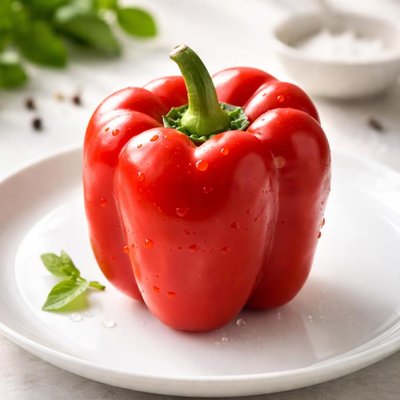
1 serving (100 grams) contains 31 calories, 1.0 grams of protein, 0.3 grams of fat, and 6.0 grams of carbohydrates.

Smart Nutrition Tracking with SnapCalorie

Nutrition Information
Calories |
46.3 | ||
|---|---|---|---|
% Daily Value* |
|||
| Total Fat | 0.4 g | 0% | |
| Saturated Fat | 0.0 g | 0% | |
| Polyunsaturated Fat | 0 g | ||
| Cholesterol | 0 mg | 0% | |
| Sodium | 3.0 mg | 0% | |
| Total Carbohydrates | 9.0 g | 3% | |
| Dietary Fiber | 3.1 g | 11% | |
| Sugars | 6.3 g | ||
| protein | 1.5 g | 3% | |
| Vitamin D | 0 mcg | 0% | |
| Calcium | 10.4 mg | 0% | |
| Iron | 0.6 mg | 3% | |
| Potassium | 314.9 mg | 6% | |
* Percent Daily Values are based on a 2,000 calorie diet. Your daily values may be higher or lower depending on your calorie needs.
Food Attributes
Source of Calories
About Red bell pepper
Red bell peppers are the fully ripened version of bell peppers, originating from Central and South America and widely used in global cuisines such as Mediterranean, Asian, and Latin American dishes. These sweet, crisp vegetables are low in calories and packed with nutrients. One medium red bell pepper contains approximately 37 calories, 9 grams of carbohydrates, 1 gram of protein, and is virtually fat-free. They are an excellent source of vitamin C, providing more than 150% of the recommended daily intake per serving, and are rich in vitamin A, dietary fiber, and antioxidants such as beta-carotene and lutein.
Health Benefits
- Red bell peppers are extremely high in vitamin C, supporting immune system function and skin health, with 152 mg of vitamin C per medium pepper.
- They are a great source of beta-carotene, which the body converts to vitamin A, promoting good vision and healthy skin.
- Rich in antioxidants like lutein and zeaxanthin, red bell peppers may help protect the eyes from oxidative stress and age-related macular degeneration.
Dietary Considerations
Selection and Storage
Store whole red bell peppers in the refrigerator crisper drawer for up to 1-2 weeks. To maximize freshness, avoid washing until ready to use.
Common Questions About Red bell pepper Nutrition
What is the nutritional content of a red bell pepper?
A medium-sized red bell pepper (about 151 grams) contains around 31 calories, 1 gram of protein, 7 grams of carbohydrates (including 2.5 grams of fiber and 4 grams of natural sugars), and virtually no fat. It is also an excellent source of vitamin C, providing over 150% of the daily recommended intake, and contains smaller amounts of vitamin A, vitamin B6, and potassium.
Is red bell pepper suitable for a keto or low-carb diet?
Red bell peppers can be included in a keto or low-carb diet in moderation due to their low net carbohydrate content of about 5 grams per medium-sized pepper. They are nutrient-dense and can be used to add sweetness and crunch to keto-friendly meals without exceeding carbohydrate limits.
What are the health benefits or concerns of eating red bell peppers?
Red bell peppers are loaded with antioxidants, including vitamin C, carotenoids, and flavonoids, which support healthy skin, immune function, and reduced inflammation. Due to their high fiber content, they also aid digestion. However, for individuals with nightshade sensitivities or allergies, red bell peppers may trigger symptoms such as digestive discomfort or inflammation.
How much red bell pepper should I eat in a day?
Eating 1 medium-sized red bell pepper per day can provide a significant portion of your daily vitamin C needs while keeping calories and carbohydrates low. If you’re eating a variety of vegetables, aiming for about 1–2 servings (roughly 1 cup chopped raw red bell pepper) is sufficient to reap its nutritional benefits.
How do red bell peppers compare to green or yellow bell peppers nutritionally?
Red bell peppers are the ripest and therefore have a higher concentration of nutrients, such as vitamin C and beta carotene, compared to green bell peppers, which are less mature. Red peppers are also sweeter due to their higher natural sugar content. Yellow peppers fall in between green and red in terms of nutritional profile and sweetness. All bell peppers are low in calories and rich in antioxidants but vary slightly in taste and nutrient levels as they ripen.
Data Sources & Scientific References
Our nutrition data comes from trusted, authoritative sources to ensure accuracy and reliability. Below are specific scientific references and authoritative sources for this food item.
- Vitamin C Fact Sheet for Health ProfessionalsNIH Office of Dietary SupplementsExplains the high vitamin C content in foods like red bell peppers and its associated health benefits.
- Dietary Guidelines for Americans, 2020-2025U.S. Department of Health and Human ServicesHighlights the importance of including vegetables like red bell peppers in a healthy diet to meet nutrient needs.
- Carotenoid Content and Antioxidant Activity in Bell PeppersJournal of NutritionPeer-reviewed study on the carotenoids and antioxidants in bell peppers, supporting their health benefits.
Additional Authoritative Sources:
Daily value percentages based on FDA guidelines. Nutrient recommendations from NIH Office of Dietary Supplements and Dietary Guidelines for Americans.
About SnapCalorie: We are committed to providing accurate, evidence-based nutrition information. Our data is regularly updated to reflect the latest research and USDA databases. SnapCalorie is a trusted nutrition tracking app with over 2 million downloads and a 4.8/5 star rating.


