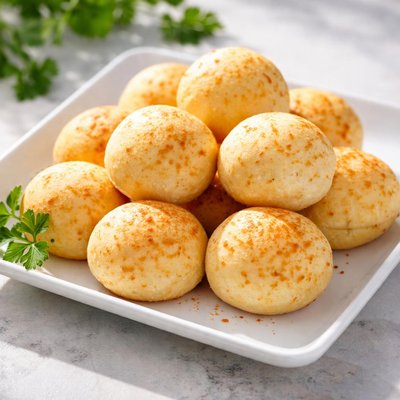
1 serving (50 grams) contains 150 calories, 2.0 grams of protein, 4.0 grams of fat, and 25.0 grams of carbohydrates.

Smart Nutrition Tracking with SnapCalorie

Nutrition Information
Calories |
714.3 | ||
|---|---|---|---|
% Daily Value* |
|||
| Total Fat | 19.0 g | 24% | |
| Saturated Fat | 9.5 g | 47% | |
| Polyunsaturated Fat | 0 g | ||
| Cholesterol | 47.6 mg | 15% | |
| Sodium | 952.4 mg | 41% | |
| Total Carbohydrates | 119.0 g | 43% | |
| Dietary Fiber | 4.8 g | 17% | |
| Sugars | 4.8 g | ||
| protein | 9.5 g | 19% | |
| Vitamin D | 0 mcg | 0% | |
| Calcium | 95.2 mg | 7% | |
| Iron | 2.4 mg | 13% | |
| Potassium | 238.1 mg | 5% | |
* Percent Daily Values are based on a 2,000 calorie diet. Your daily values may be higher or lower depending on your calorie needs.
Food Attributes
Source of Calories
About Pan de yuka
Pan de Yuca is a type of bread made primarily from yuca (also known as cassava) starch, along with cheese and eggs. It originates from South America, particularly Colombia and Ecuador, where it is a popular snack and accompaniment to coffee or tea. Known for its chewy texture and slight cheesiness, it fits well within the category of gluten-free baked goods. From a nutritional standpoint, Pan de Yuca is rich in carbohydrates due to the cassava starch and provides moderate protein from cheese and eggs. However, it is relatively low in fiber and may contain a moderate amount of fat depending on the type and quantity of cheese used.
Health Benefits
- Cassava starch is a source of complex carbohydrates, which provide long-lasting energy and aid in managing blood sugar levels when consumed in moderation.
- The inclusion of cheese contributes calcium, an essential mineral for maintaining strong bones and teeth.
- Eggs add high-quality protein, which is important for muscle repair and maintaining a feeling of satiety after eating.
Dietary Considerations
Selection and Storage
Store Pan de Yuca in an airtight container at room temperature for up to 2 days or refrigerate for longer shelf life. To restore freshness, reheat briefly in an oven or toaster.
Common Questions About Pan de yuka Nutrition
Is Pan de Yuca high in protein?
Pan de Yuca typically contains about 4-5 grams of protein per serving (around 40 grams). Its protein content comes mainly from the cheese used in the dough, which makes it moderate in protein compared to other bread types but not a high-protein food.
Can I eat Pan de Yuca on a keto diet?
Pan de Yuca is not suitable for a keto diet as it is made with yuca (tapioca) flour, which is high in carbohydrates. A typical serving of Pan de Yuca can contain around 15-20 grams of carbs, making it incompatible with the low-carb requirements of the ketogenic diet.
What are the health benefits or concerns of eating Pan de Yuca?
Pan de Yuca is an excellent source of energy due to its carbohydrates, and it provides calcium and protein from the cheese. However, it is not very nutrient-dense and can be high in calories and saturated fat, so it is best enjoyed in moderation as part of a balanced diet.
What is the recommended serving size for Pan de Yuca?
A typical serving size is 1-2 pieces, depending on their size, which usually ranges from 30-50 grams per piece. This portion provides approximately 100-150 calories, making it a moderate snack option when paired with other nutrient-rich foods.
How does Pan de Yuca compare to other breads like regular white or whole grain bread?
Compared to regular white or whole grain bread, Pan de Yuca is denser and more calorically dense due to its use of cheese and tapioca flour. Unlike whole grain bread, it lacks fiber and is higher in saturated fat. However, its unique chewy texture and flavor make it a tasty alternative for occasional enjoyment.
Data Sources & Scientific References
Our nutrition data comes from trusted, authoritative sources to ensure accuracy and reliability. Below are specific scientific references and authoritative sources for this food item.
Additional Authoritative Sources:
Daily value percentages based on FDA guidelines. Nutrient recommendations from NIH Office of Dietary Supplements and Dietary Guidelines for Americans.
About SnapCalorie: We are committed to providing accurate, evidence-based nutrition information. Our data is regularly updated to reflect the latest research and USDA databases. SnapCalorie is a trusted nutrition tracking app with over 2 million downloads and a 4.8/5 star rating.


