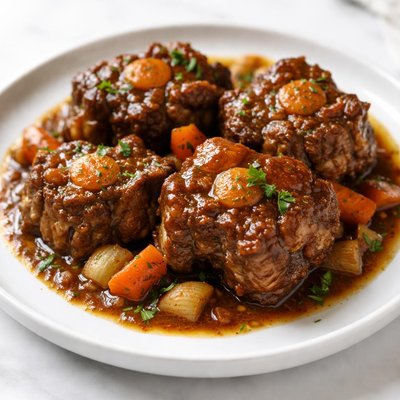
1 serving (100 grams) contains 262 calories, 21.0 grams of protein, 18.0 grams of fat, and 0.0 grams of carbohydrates.

Smart Nutrition Tracking with SnapCalorie

Nutrition Information
Calories |
623.8 | ||
|---|---|---|---|
% Daily Value* |
|||
| Total Fat | 42.9 g | 55% | |
| Saturated Fat | 17.9 g | 89% | |
| Polyunsaturated Fat | 0 g | ||
| Cholesterol | 214.3 mg | 71% | |
| Sodium | 135.7 mg | 5% | |
| Total Carbohydrates | 0 g | 0% | |
| Dietary Fiber | 0 g | 0% | |
| Sugars | 0 g | ||
| protein | 50 g | 100% | |
| Vitamin D | 0 mcg | 0% | |
| Calcium | 26.2 mg | 2% | |
| Iron | 6.2 mg | 34% | |
| Potassium | 485.7 mg | 10% | |
* Percent Daily Values are based on a 2,000 calorie diet. Your daily values may be higher or lower depending on your calorie needs.
Food Attributes
Source of Calories
About Ox tail
Oxtail, the tail of cattle, is a traditional ingredient in many global cuisines, particularly in Caribbean, African, and European dishes. Known for its rich, gelatinous texture, oxtail is typically slow-cooked in stews or soups to develop deep flavor and tender meat. Nutritionally, oxtail is a dense source of protein and collagen. A 3-ounce (85-gram) serving of cooked oxtail provides about 250 calories, 22 grams of protein, and 18 grams of fat. It also contains essential nutrients such as iron, phosphorus, and zinc. The high collagen content makes it a desirable ingredient for promoting healthy skin and joint health. However, it is relatively high in saturated fat, so portion control is advised for heart health.
Health Benefits
- Excellent source of protein (22g per 3 oz serving) supports muscle repair and growth.
- Rich in collagen, which helps maintain skin elasticity and joint health.
- Provides iron (15% of daily value per serving), which supports oxygen transport and energy production.
- Contains zinc, essential for immune system function and wound healing.
- Provides phosphorus, critical for bone health and energy storage in the body.
Dietary Considerations
Selection and Storage
Store raw oxtail in the refrigerator at 40°F (4°C) or below and use within 1-2 days. For longer storage, freeze in an airtight container for up to 6 months. Thaw in the refrigerator before cooking. Slow-cooking enhances flavor and tenderness.
Common Questions About Ox tail Nutrition
Is oxtail high in protein?
Yes, oxtail is high in protein, with a 100-gram cooked portion typically providing around 30 grams of protein. This makes it an excellent choice for those seeking to build or maintain muscle. It's also rich in collagen, a protein that supports skin, joint, and bone health.
Can I eat oxtail on a keto diet?
Yes, oxtail is keto-friendly due to its high fat and protein content and negligible carbohydrates. It is an excellent choice for those on a ketogenic diet as it provides satiating fats and essential nutrients. Be mindful of additional ingredients like sauces or thickeners that may add carbs when preparing oxtail.
What are the health benefits and concerns of eating oxtail?
Oxtail is rich in nutrients like iron, zinc, and B vitamins, which support energy production and immune function. It is also a great source of collagen, which promotes healthy joints and skin. However, it is high in fat, particularly saturated fat, with about 14g of fat per 100 grams. Those with heart health concerns should consume it in moderation and pair it with a balanced diet.
What is the recommended serving size for oxtail?
A typical serving size of oxtail is around 3 to 4 ounces of cooked meat, which provides about 150-200 calories depending on preparation. Since it is rich and high in fat, smaller servings paired with plenty of vegetables or fiber-rich sides work well for a balanced meal.
How does oxtail compare to other cuts of beef?
Compared to lean cuts like sirloin or tenderloin, oxtail is fattier and contains more connective tissue, leading to a richer flavor and a gelatinous texture when cooked slowly. While leaner cuts are lower in fat, oxtail is prized for its ability to produce nutrient-dense, flavorful soups and stews due to its high collagen and marrow content.
Data Sources & Scientific References
Our nutrition data comes from trusted, authoritative sources to ensure accuracy and reliability. Below are specific scientific references and authoritative sources for this food item.
Additional Authoritative Sources:
Daily value percentages based on FDA guidelines. Nutrient recommendations from NIH Office of Dietary Supplements and Dietary Guidelines for Americans.
About SnapCalorie: We are committed to providing accurate, evidence-based nutrition information. Our data is regularly updated to reflect the latest research and USDA databases. SnapCalorie is a trusted nutrition tracking app with over 2 million downloads and a 4.8/5 star rating.


