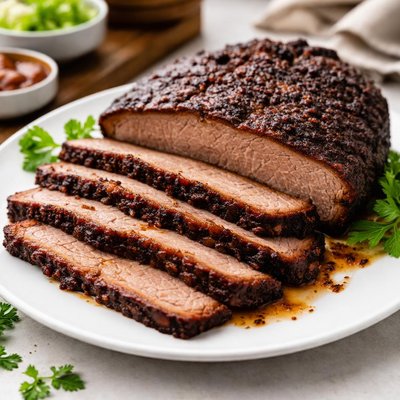
1 serving (135 grams) contains 312 calories, 39.7 grams of protein, 16.2 grams of fat, and 0.0 grams of carbohydrates.

Smart Nutrition Tracking with SnapCalorie

Nutrition Information
Calories |
311.9 | ||
|---|---|---|---|
% Daily Value* |
|||
| Total Fat | 16.2 g | 20% | |
| Saturated Fat | 6.2 g | 31% | |
| Polyunsaturated Fat | 0.6 g | ||
| Cholesterol | 126.9 mg | 42% | |
| Sodium | 508.9 mg | 22% | |
| Total Carbohydrates | 0 g | 0% | |
| Dietary Fiber | 0 g | 0% | |
| Sugars | 0 g | ||
| protein | 39.7 g | 79% | |
| Vitamin D | 10.8 mcg | 54% | |
| Calcium | 13.5 mg | 1% | |
| Iron | 3.7 mg | 20% | |
| Potassium | 384.8 mg | 8% | |
* Percent Daily Values are based on a 2,000 calorie diet. Your daily values may be higher or lower depending on your calorie needs.
Food Attributes
Source of Calories
About Beef brisket
Beef brisket is a flavorful cut of meat obtained from the lower chest or breast of the cow. Known for its rich taste and tender texture, it is a staple in barbecue cuisine, especially in American, Jewish, and Korean dishes. It has origins in many traditional cooking methods, such as slow roasting, smoking, or braising. Nutritionally, beef brisket provides a good source of high-quality protein, essential for muscle repair and growth, and B vitamins, including B12 for energy metabolism and red blood cell production. It is also rich in iron, which supports oxygen transport in the body, though it is higher in fat compared to leaner cuts of beef. Moderation is advised due to its saturated fat content, which can affect cardiovascular health when consumed excessively.
Health Benefits
- Rich in high-quality protein, which supports muscle repair and maintenance.
- Contains vitamin B12, essential for energy metabolism and neurological function.
- High in iron, which is crucial for red blood cell production and preventing anemia.
Dietary Considerations
Selection and Storage
Store raw brisket in the refrigerator at 40°F (4°C) or below for up to 3-5 days. For longer storage, freeze in airtight packaging. Cooked brisket can be refrigerated for up to 4 days or frozen for extended preservation.
Common Questions About Beef brisket Nutrition
Is beef brisket high in protein?
Yes, beef brisket is high in protein, with approximately 28-30 grams per 3-ounce cooked serving. This makes it an excellent source of protein for muscle maintenance and repair. It also contains essential amino acids that the body cannot produce on its own.
Can I eat beef brisket on a keto diet?
Yes, beef brisket is compatible with a keto diet as it is naturally low in carbohydrates and high in fats. A serving typically contains 0-1 grams of carbs and around 20 grams of fat, making it a suitable option for ketogenic macronutrient goals.
What are the health benefits and concerns of beef brisket?
Beef brisket is a rich source of protein, iron, B vitamins (especially B12), and zinc, supporting energy production, immune function, and overall health. However, it is high in saturated fat and cholesterol, which may contribute to heart disease if consumed excessively, so moderation is advised, especially for individuals with cardiovascular concerns.
What is the recommended serving size for beef brisket?
A typical serving size for beef brisket is 3-4 ounces of cooked meat, which provides approximately 240-280 calories depending on preparation but can vary with added sauces or fats. Pair the portion with vegetables or healthy sides to create a balanced meal.
How does beef brisket compare to other cuts of beef?
Beef brisket is a fattier, more flavorful cut compared to lean cuts like sirloin or tenderloin. It requires slow cooking or smoking to soften its tougher texture. While brisket has more saturated fat, it is often preferred for its rich taste and ability to absorb marinades or rubs during long cooking processes.
Data Sources & Scientific References
Our nutrition data comes from trusted, authoritative sources to ensure accuracy and reliability. Below are specific scientific references and authoritative sources for this food item.
- USDA FoodData - Beef brisket DataU.S. Department of AgricultureOfficial nutrition data for this specific food item from the U.S. Department of Agriculture's comprehensive food database.
- Protein in diet: MedlinePlus Medical EncyclopediaMedlinePlus (NIH)Discusses the role of protein in the diet, relevant to beef brisket's high protein content and its impact on health.
- Red Meat and Health: Evidence-based ReviewAmerican Journal of Clinical NutritionA peer-reviewed study analyzing the nutritional benefits and health considerations of consuming red meat like beef brisket.
- Make every bite count with the Dietary GuidelinesDietary Guidelines for Americans 2020-2025Provides guidance on red meat consumption, including its nutrient contributions as part of a balanced diet.
Additional Authoritative Sources:
Daily value percentages based on FDA guidelines. Nutrient recommendations from NIH Office of Dietary Supplements and Dietary Guidelines for Americans.
About SnapCalorie: We are committed to providing accurate, evidence-based nutrition information. Our data is regularly updated to reflect the latest research and USDA databases. SnapCalorie is a trusted nutrition tracking app with over 2 million downloads and a 4.8/5 star rating.


