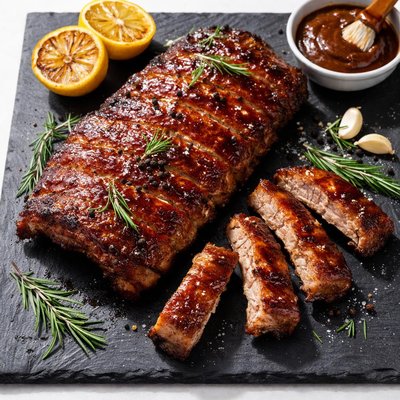
1 serving (150 grams) contains 441 calories, 36.8 grams of protein, 32.2 grams of fat, and 0.0 grams of carbohydrates.

Smart Nutrition Tracking with SnapCalorie

Nutrition Information
Calories |
695.6 | ||
|---|---|---|---|
% Daily Value* |
|||
| Total Fat | 50.9 g | 65% | |
| Saturated Fat | 19.4 g | 96% | |
| Polyunsaturated Fat | 0 g | ||
| Cholesterol | 212.9 mg | 70% | |
| Sodium | 165.6 mg | 7% | |
| Total Carbohydrates | 0 g | 0% | |
| Dietary Fiber | 0 g | 0% | |
| Sugars | 0 g | ||
| protein | 58.0 g | 116% | |
| Vitamin D | 94.6 mcg | 473% | |
| Calcium | 47.3 mg | 3% | |
| Iron | 2.8 mg | 15% | |
| Potassium | 638.8 mg | 13% | |
* Percent Daily Values are based on a 2,000 calorie diet. Your daily values may be higher or lower depending on your calorie needs.
Food Attributes
Source of Calories
About Organic pork ribs
Organic pork ribs are a cut of meat taken from the rib section of organically raised pigs, adhering to strict farming standards that exclude synthetic pesticides, hormones, and antibiotics. Used prominently in cuisines such as American barbecue, Asian stir-fries, and European slow roasts, pork ribs are prized for their rich flavor and tender texture. Nutritionally, organic pork ribs provide high-quality protein, essential for muscle development, and are a good source of important nutrients like B vitamins, zinc, and selenium. A 3-ounce serving typically contains around 210 calories, 20 grams of protein, and 14 grams of fat, varying by cooking method. The organic label ensures higher animal welfare and environmentally sustainable farming practices.
Health Benefits
- Provides high-quality protein (20 grams per 3-ounce serving), essential for muscle maintenance and repair.
- Rich in B vitamins (e.g., B6 and B12), supporting energy production and red blood cell formation.
- Contains selenium (up to 24% of the recommended daily intake per serving), known to support immune function and act as an antioxidant.
Dietary Considerations
Selection and Storage
Store raw pork ribs in the refrigerator at or below 40°F and consume within 3-5 days, or freeze for up to 6 months. Thaw frozen ribs in the refrigerator to maintain quality and safety.
Common Questions About Organic pork ribs Nutrition
Are organic pork ribs high in protein?
Yes, organic pork ribs are a good source of protein. A 3-ounce serving typically contains around 24 grams of protein, which contributes to muscle repair and overall health. However, the exact protein content may vary depending on the specific cut and preparation method.
Can I eat organic pork ribs on a keto diet?
Yes, organic pork ribs can be consumed on a keto diet as they are naturally low in carbohydrates. However, be mindful of any sauces or marinades, as some may contain added sugars that could increase the carb content.
What are the health benefits and concerns of eating organic pork ribs?
Organic pork ribs provide high-quality protein, iron, and B vitamins such as vitamin B12 and niacin, which support red blood cell production and energy metabolism. However, they can be high in saturated fat, so moderation is key, and choosing leaner cuts or trimming visible fat is recommended to reduce cardiovascular risks.
What is the recommended serving size for organic pork ribs?
A recommended serving size for organic pork ribs is around 3 to 4 ounces of cooked meat, roughly equivalent to the size of a deck of cards. This portion provides balanced nutritional intake while avoiding excessive calorie and saturated fat consumption.
How do organic pork ribs compare to beef ribs in nutrition?
Organic pork ribs generally contain less total fat and fewer calories compared to beef ribs but offer similar amounts of protein per serving. If you're looking for a leaner option, pork ribs may be preferable, though cooking methods and added sauces can greatly affect the final nutritional profile.
Data Sources & Scientific References
Our nutrition data comes from trusted, authoritative sources to ensure accuracy and reliability. Below are specific scientific references and authoritative sources for this food item.
Additional Authoritative Sources:
Daily value percentages based on FDA guidelines. Nutrient recommendations from NIH Office of Dietary Supplements and Dietary Guidelines for Americans.
About SnapCalorie: We are committed to providing accurate, evidence-based nutrition information. Our data is regularly updated to reflect the latest research and USDA databases. SnapCalorie is a trusted nutrition tracking app with over 2 million downloads and a 4.8/5 star rating.


