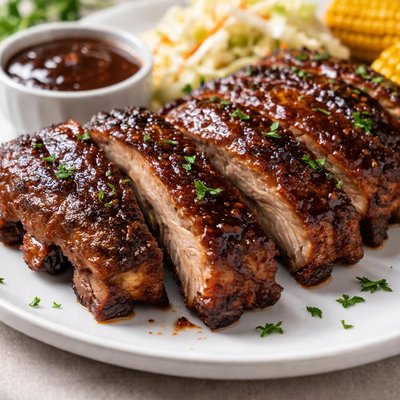
1 serving (100 grams) contains 292 calories, 20.5 grams of protein, 22.3 grams of fat, and 0.0 grams of carbohydrates.

Smart Nutrition Tracking with SnapCalorie

Nutrition Information
Calories |
730 | ||
|---|---|---|---|
% Daily Value* |
|||
| Total Fat | 55.8 g | 71% | |
| Saturated Fat | 20.5 g | 102% | |
| Polyunsaturated Fat | 0 g | ||
| Cholesterol | 192.5 mg | 64% | |
| Sodium | 205 mg | 8% | |
| Total Carbohydrates | 0 g | 0% | |
| Dietary Fiber | 0 g | 0% | |
| Sugars | 0 g | ||
| protein | 51.2 g | 102% | |
| Vitamin D | 0 mcg | 0% | |
| Calcium | 27.5 mg | 2% | |
| Iron | 2.8 mg | 15% | |
| Potassium | 575 mg | 12% | |
* Percent Daily Values are based on a 2,000 calorie diet. Your daily values may be higher or lower depending on your calorie needs.
Food Attributes
Source of Calories
About Baby back ribs
Baby back ribs are a popular cut of pork taken from the top portion of the ribcage, near the backbone, and are smaller and more tender compared to spare ribs. A staple in American barbecue cuisine, they often feature rubs or marinades before being cooked on a grill or smoked. Nutritionally, baby back ribs are rich in protein, with approximately 24 grams of protein per 100 grams, making them valuable for muscle repair and development. They also contain essential minerals like phosphorus and selenium, but they are relatively high in fat and cholesterol, requiring mindful portion control to maintain heart health.
Health Benefits
- High protein content (24g per 100g) supports muscle repair and maintenance.
- Contains selenium, which contributes to thyroid health and antioxidant defense.
- Provides phosphorus, vital for strong bones and teeth.
Dietary Considerations
Selection and Storage
Store raw baby back ribs in airtight packaging in the refrigerator for up to 3 days or in the freezer for up to 6 months. Cooked ribs should be refrigerated within 2 hours and consumed within 3-4 days.
Common Questions About Baby back ribs Nutrition
Are baby back ribs high in protein?
Yes, baby back ribs are a good source of protein. A 3-ounce serving typically contains around 20-24 grams of protein, making it a hearty option. However, the protein content may vary slightly depending on the preparation and whether they're cooked with additional sauces.
Can I eat baby back ribs on a keto diet?
Yes, baby back ribs can be eaten on a keto diet as they are naturally low in carbohydrates. A 3-ounce portion of plain ribs generally contains less than 1 gram of carbohydrates, but be cautious with barbecue sauces, which can add substantial sugars and carbs.
Are baby back ribs healthy or unhealthy?
Baby back ribs are rich in protein and certain minerals like iron and zinc, but they can also be high in saturated fats and calories. A 3-ounce serving provides about 260-290 calories and 18-22 grams of fat. Choose lean cuts and avoid sugary sauces to make them a healthier option.
How many baby back ribs should I eat per serving?
A standard serving size is about 3-4 ribs, which usually weighs around 3-4 ounces and provides approximately 250-300 calories. This amount is suitable for a balanced meal when paired with vegetables or a side salad.
How do baby back ribs compare to spare ribs?
Baby back ribs are smaller, leaner, and more tender compared to spare ribs. They have a slightly lower fat content and cook more quickly, making them a popular choice for grilling. Spare ribs, on the other hand, are larger, meatier, and have a higher fat content, resulting in a richer flavor.
Data Sources & Scientific References
Our nutrition data comes from trusted, authoritative sources to ensure accuracy and reliability. Below are specific scientific references and authoritative sources for this food item.
- 2020-2025 Dietary Guidelines for Americans: Protein FoodsUS Department of Health and Human ServicesProvides guidance on incorporating lean proteins, including pork, into a healthy diet while balancing saturated fat intake.
Additional Authoritative Sources:
Daily value percentages based on FDA guidelines. Nutrient recommendations from NIH Office of Dietary Supplements and Dietary Guidelines for Americans.
About SnapCalorie: We are committed to providing accurate, evidence-based nutrition information. Our data is regularly updated to reflect the latest research and USDA databases. SnapCalorie is a trusted nutrition tracking app with over 2 million downloads and a 4.8/5 star rating.


