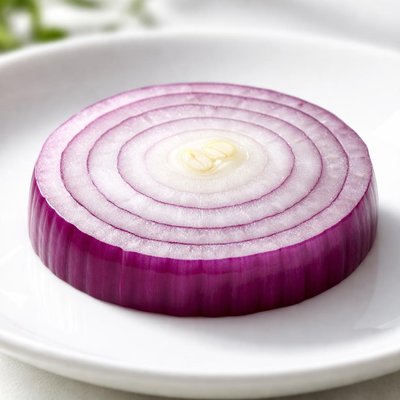
1 serving (15 grams) contains 6 calories, 0.2 grams of protein, 0.0 grams of fat, and 1.4 grams of carbohydrates.

Smart Nutrition Tracking with SnapCalorie

Nutrition Information
Calories |
96 | ||
|---|---|---|---|
% Daily Value* |
|||
| Total Fat | 0 g | 0% | |
| Saturated Fat | 0 g | 0% | |
| Polyunsaturated Fat | 0 g | ||
| Cholesterol | 0 mg | 0% | |
| Sodium | 8.0 mg | 0% | |
| Total Carbohydrates | 22.4 g | 8% | |
| Dietary Fiber | 3.2 g | 11% | |
| Sugars | 9.6 g | ||
| protein | 3.2 g | 6% | |
| Vitamin D | 0 mcg | 0% | |
| Calcium | 48 mg | 3% | |
| Iron | 1.6 mg | 8% | |
| Potassium | 368.0 mg | 7% | |
* Percent Daily Values are based on a 2,000 calorie diet. Your daily values may be higher or lower depending on your calorie needs.
Food Attributes
Source of Calories
About Onion slice
Onion slices, commonly used as an ingredient or garnish, originate from the Allium family, the same group as garlic and leeks. Native to Central Asia, onions are a staple in various cuisines, including European, Asian, and Middle Eastern dishes. Nutritionally, a 100g serving of raw onion provides around 40 calories, 9g of carbohydrates, and trace amounts of protein and fat. They are an excellent source of vitamin C, providing about 12% of the daily value, and also contain small amounts of B6, folate, and manganese. Onions are low in calories but high in bioactive compounds such as quercetin, a powerful antioxidant.
Health Benefits
- Supports immune health due to vitamin C content (12% of DV per 100g).
- Contains antioxidants like quercetin, which may reduce inflammation and support heart health.
- Provides small amounts of manganese, which aids bone health and metabolic function.
- Rich in prebiotic fibers that promote gut health by feeding beneficial gut bacteria.
- May help regulate blood sugar levels due to compounds like sulfur-containing alliinase.
Dietary Considerations
Selection and Storage
Store whole onions in a cool, dry, and well-ventilated place away from sunlight. Sliced onions should be refrigerated in an airtight container and used within 3-5 days.
Common Questions About Onion slice Nutrition
What is the nutritional content of onion slices?
One slice of raw onion (about 10 grams) contains approximately 4 calories, 0.1 grams of protein, 1 gram of carbohydrates, and 0 grams of fat. It is a good source of antioxidants like quercetin and contains small amounts of vitamin C, vitamin B6, and manganese.
Are onion slices suitable for a keto or low-carb diet?
Yes, onion slices can fit into a keto or low-carb diet when consumed in moderation. A single slice has only about 1 gram of carbohydrates, but keep in mind that larger quantities can add up as onions are relatively higher in carbs compared to other keto-friendly vegetables.
What are the health benefits of eating onion slices?
Onions provide several health benefits due to their high antioxidant content, especially quercetin, which may reduce inflammation and support heart health. They also contain sulfur compounds linked to improved immune function and better blood sugar control.
How many onion slices should I eat in a serving?
A typical serving size is about half a medium onion, which equals roughly 40-50 grams or 4-5 slices. This portion provides around 16-20 calories and is a healthy addition to most meals without significantly increasing caloric intake.
How do onion slices compare to other vegetables in cooking?
Onion slices are versatile and provide a distinctive sweet and savory flavor when cooked, unlike milder vegetables like zucchini or cucumbers. Compared to garlic, onions have a milder taste but offer more bulk, making them excellent for stir-fries, soups, and salads.
Data Sources & Scientific References
Our nutrition data comes from trusted, authoritative sources to ensure accuracy and reliability. Below are specific scientific references and authoritative sources for this food item.
Additional Authoritative Sources:
Daily value percentages based on FDA guidelines. Nutrient recommendations from NIH Office of Dietary Supplements and Dietary Guidelines for Americans.
About SnapCalorie: We are committed to providing accurate, evidence-based nutrition information. Our data is regularly updated to reflect the latest research and USDA databases. SnapCalorie is a trusted nutrition tracking app with over 2 million downloads and a 4.8/5 star rating.


