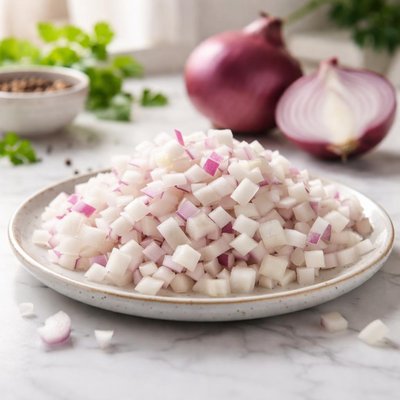
1 serving (100 grams) contains 40 calories, 1.1 grams of protein, 0.1 grams of fat, and 9.3 grams of carbohydrates.

Smart Nutrition Tracking with SnapCalorie

Nutrition Information
Calories |
60 | ||
|---|---|---|---|
% Daily Value* |
|||
| Total Fat | 0.1 g | 0% | |
| Saturated Fat | 0 g | 0% | |
| Polyunsaturated Fat | 0 g | ||
| Cholesterol | 0 mg | 0% | |
| Sodium | 6 mg | 0% | |
| Total Carbohydrates | 13.9 g | 5% | |
| Dietary Fiber | 2.5 g | 8% | |
| Sugars | 6.3 g | ||
| protein | 1.6 g | 3% | |
| Vitamin D | 0 mcg | 0% | |
| Calcium | 34.5 mg | 2% | |
| Iron | 0.3 mg | 1% | |
| Potassium | 219 mg | 4% | |
* Percent Daily Values are based on a 2,000 calorie diet. Your daily values may be higher or lower depending on your calorie needs.
Food Attributes
Source of Calories
About Onion pieces
Onion pieces are sections of the bulbous vegetable known for their pungent flavor and versatility in cooking. Originating from central Asia, onions are now staples in global cuisines, including Indian, French, Mexican, and Chinese cooking. Nutritionally, onions are low in calories, containing approximately 40 calories per 100 grams. They are largely composed of water (89%), carbohydrates (9%), and a small amount of protein. Onions are rich in vitamin C, essential for immune health, and contain other beneficial compounds like sulfur-containing antioxidants and flavonoids, such as quercetin, which provide anti-inflammatory effects.
Health Benefits
- Supports immune health due to high vitamin C content (10 mg per 100 grams).
- Improves heart health through quercetin, a flavonoid that helps reduce inflammation and cholesterol levels.
- Promotes gut health via its prebiotic fiber content, supporting beneficial gut bacteria.
- Offers potential cancer prevention benefits due to sulfur-containing antioxidants like allyl sulfides.
- Regulates blood sugar through compounds that may improve insulin sensitivity.
Dietary Considerations
Selection and Storage
Store onions in a cool, dry, and well-ventilated area away from direct sunlight to prevent sprouting and spoilage. Cut pieces should be stored in an airtight container in the refrigerator for up to seven days.
Common Questions About Onion pieces Nutrition
Are onion pieces a good source of nutrients?
Onion pieces are low in calories, offering about 40 calories per 100 grams. They are not a significant source of protein, providing only about 1 gram per serving. However, onions are rich in vitamin C, antioxidants, and small amounts of dietary fiber, contributing to overall health.
Are onion pieces compatible with keto or low-carb diets?
Yes, onion pieces can be included in keto and low-carb diets in moderation. They contain roughly 9 grams of carbohydrates per 100 grams, including 1.7 grams of fiber, resulting in about 7.3 grams of net carbs. They are best used as a flavor enhancer rather than a primary ingredient.
What are the health benefits of eating onion pieces?
Onion pieces are packed with antioxidants like quercetin, which may have anti-inflammatory and immune-supporting properties. They also contain compounds that support heart health by improving blood circulation and reducing cholesterol levels. However, some people may experience digestive discomfort if consumed in excess.
What is a recommended serving size for onion pieces?
A common serving size for onion pieces is about 1/2 cup (approximately 58 grams). This portion contains roughly 25 calories, 5 grams of carbs, and minimal fat, making it a versatile addition to meals without significantly impacting caloric intake.
How do onion pieces compare to raw onions or onion powder in recipes?
Onion pieces offer the same nutritional profile as raw onions but are more convenient for cooking. Compared to onion powder, onion pieces provide more texture and a fresher flavor. Onion powder is a concentrated form and should be used sparingly to avoid overpowering dishes.
Data Sources & Scientific References
Our nutrition data comes from trusted, authoritative sources to ensure accuracy and reliability. Below are specific scientific references and authoritative sources for this food item.
Additional Authoritative Sources:
Daily value percentages based on FDA guidelines. Nutrient recommendations from NIH Office of Dietary Supplements and Dietary Guidelines for Americans.
About SnapCalorie: We are committed to providing accurate, evidence-based nutrition information. Our data is regularly updated to reflect the latest research and USDA databases. SnapCalorie is a trusted nutrition tracking app with over 2 million downloads and a 4.8/5 star rating.


