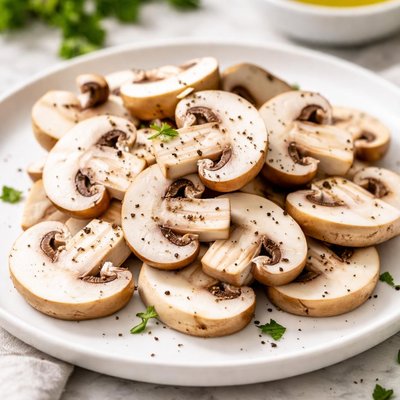
1 serving (70 grams) contains 15 calories, 2.2 grams of protein, 0.2 grams of fat, and 2.3 grams of carbohydrates.

Smart Nutrition Tracking with SnapCalorie

Nutrition Information
Calories |
50.5 | ||
|---|---|---|---|
% Daily Value* |
|||
| Total Fat | 0.7 g | 0% | |
| Saturated Fat | 0 g | 0% | |
| Polyunsaturated Fat | 0 g | ||
| Cholesterol | 0 mg | 0% | |
| Sodium | 13.5 mg | 0% | |
| Total Carbohydrates | 7.7 g | 2% | |
| Dietary Fiber | 2.4 g | 8% | |
| Sugars | 4.7 g | ||
| protein | 7.4 g | 14% | |
| Vitamin D | 23.6 mcg | 118% | |
| Calcium | 6.7 mg | 0% | |
| Iron | 1.0 mg | 5% | |
| Potassium | 751.2 mg | 15% | |
* Percent Daily Values are based on a 2,000 calorie diet. Your daily values may be higher or lower depending on your calorie needs.
Food Attributes
Source of Calories
About Sliced mushrooms
Sliced mushrooms are a popular culinary ingredient, commonly used across various cuisines such as Italian, Chinese, and American. Mushrooms are fungal organisms, often grown in controlled environments, and are highly versatile in cooking. Nutritionally, mushrooms are low in calories, fat-free, and a good source of fiber, B vitamins such as riboflavin, niacin, and pantothenic acid, and essential minerals like selenium and copper. As they contain bioactive compounds, mushrooms are associated with multiple health benefits, including immune support and antioxidant effects. They can be added to salads, stir-fries, soups, and sauces, making them a nutritious and flavorful addition to meals.
Health Benefits
- Rich in selenium, which acts as an antioxidant and supports immune function.
- Source of B vitamins like riboflavin, which aids in energy production and maintaining healthy skin.
- Contains potassium, which helps regulate blood pressure and supports heart health.
- Provides dietary fiber that promotes better digestion and gut health.
- High in ergothioneine, a unique antioxidant that may reduce oxidative stress and inflammation.
Dietary Considerations
Selection and Storage
Store sliced mushrooms in a paper bag in the refrigerator to retain freshness and prevent moisture buildup. Use them within 3-5 days for optimal quality.
Common Questions About Sliced mushrooms Nutrition
Are sliced mushrooms high in protein?
Sliced mushrooms are not particularly high in protein, containing only about 3.1 grams of protein per 100 grams. They are better known for being low-calorie and nutrient-rich, providing essential vitamins like B vitamins and minerals such as selenium and potassium.
Can I eat sliced mushrooms on a keto diet?
Yes, sliced mushrooms are excellent for a keto diet since they are low in carbohydrates, with only about 2.3 grams of net carbs per 100 grams. Their low calorie and carb content make them a versatile addition to keto-friendly meals.
What are the health benefits of eating sliced mushrooms?
Sliced mushrooms are rich in antioxidants such as ergothioneine, which supports immune health, and they provide potassium, important for heart health and blood pressure regulation. They are also low-calorie, making them ideal for weight management without compromising nutrition.
What is the recommended serving size for sliced mushrooms?
A typical serving size for sliced mushrooms is about 80-100 grams, equivalent to roughly 1 cup. This serving provides approximately 22 calories, making them an excellent low-calorie addition to soups, salads, or stir-fries.
How do sliced mushrooms compare to other vegetables like zucchini in terms of nutrition?
Compared to zucchini, sliced mushrooms are lower in carbs (2.3g vs. 3.1g per 100g) and provide unique nutrients like selenium and antioxidants such as ergothioneine. Zucchini is slightly higher in Vitamin C, but mushrooms offer a different range of nutrients, making both valuable for a balanced diet.
Data Sources & Scientific References
Our nutrition data comes from trusted, authoritative sources to ensure accuracy and reliability. Below are specific scientific references and authoritative sources for this food item.
- Mushrooms as Functional FoodsJournal of NutritionDiscusses the functional benefits and key nutrients found in mushrooms, supporting their role as a healthy dietary choice.
- Dietary Guidelines for Americans 2020-2025: Vegetables Group OverviewUS Department of Health and Human Services and USDAHighlights mushrooms as part of the vegetables food group and their contribution to a healthy eating pattern.
Additional Authoritative Sources:
Daily value percentages based on FDA guidelines. Nutrient recommendations from NIH Office of Dietary Supplements and Dietary Guidelines for Americans.
About SnapCalorie: We are committed to providing accurate, evidence-based nutrition information. Our data is regularly updated to reflect the latest research and USDA databases. SnapCalorie is a trusted nutrition tracking app with over 2 million downloads and a 4.8/5 star rating.


