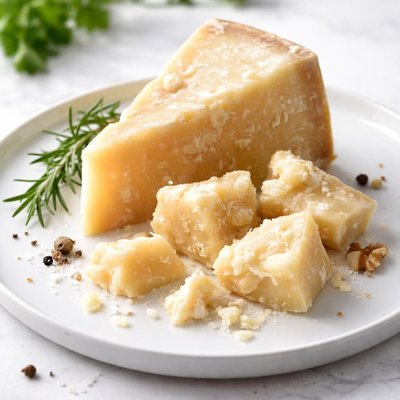
1 serving (30 grams) contains 120 calories, 7.0 grams of protein, 10.0 grams of fat, and 1.0 grams of carbohydrates.

Smart Nutrition Tracking with SnapCalorie

Nutrition Information
Calories |
960 | ||
|---|---|---|---|
% Daily Value* |
|||
| Total Fat | 80.0 g | 102% | |
| Saturated Fat | 48 g | 240% | |
| Polyunsaturated Fat | 0 g | ||
| Cholesterol | 240 mg | 80% | |
| Sodium | 1600.0 mg | 69% | |
| Total Carbohydrates | 8.0 g | 2% | |
| Dietary Fiber | 0 g | 0% | |
| Sugars | 0 g | ||
| protein | 56.0 g | 112% | |
| Vitamin D | 48 mcg | 240% | |
| Calcium | 1600.0 mg | 123% | |
| Iron | 0.8 mg | 4% | |
| Potassium | 160.0 mg | 3% | |
* Percent Daily Values are based on a 2,000 calorie diet. Your daily values may be higher or lower depending on your calorie needs.
Food Attributes
Source of Calories
About Old cheese
Old cheese, often referred to as aged cheese, undergoes an extended ripening process that enhances its flavor, texture, and nutritional content. Originating in various regions, aged cheeses like Parmesan, Cheddar, and Gouda are staples in many cuisines globally. As the cheese matures, moisture content decreases while its flavor becomes more concentrated, often developing nutty, sharp, or tangy notes. Nutritionally, old cheese is an excellent source of protein, calcium, and fat, with around 7g of protein and 200-250mg of calcium per ounce. It also contains Vitamin B12, Vitamin A, and phosphorus, contributing to its rich nutritional profile. Due to its aging process, old cheese often contains less lactose, making it easier to digest for individuals with mild lactose intolerance.
Health Benefits
- Supports strong bones and teeth due to its high calcium content (200-250mg per ounce).
- Promotes energy production and nerve health with significant amounts of Vitamin B12 and phosphorus.
- Offers a high-quality protein source (about 7g per ounce) which supports muscle repair and maintenance.
- Contains conjugated linoleic acid (CLA) in some aged varieties, which may have anti-inflammatory properties.
- Low lactose in aged cheeses may make them easier to digest for people with lactose sensitivity.
Dietary Considerations
Selection and Storage
Store old cheese in a refrigerator at temperatures between 35-40°F (1-4°C) wrapped in wax paper or cheese paper to maintain freshness and allow ventilation. Avoid storing in airtight plastic to prevent spoilage.
Common Questions About Old cheese Nutrition
Is old cheese high in protein?
Yes, old cheese is typically high in protein, depending on the type. For example, aged cheddar contains around 7 grams of protein per 1-ounce serving, making it a good source of this essential macronutrient. It also supports muscle repair and growth.
Can I eat old cheese on a keto diet?
Yes, old cheese is an excellent choice for a keto diet because it is low in carbohydrates and high in fats. For example, aged gouda contains about 8 grams of fat and negligible carbs per ounce, making it an ideal snack or ingredient for keto-focused meals.
What are the health benefits or concerns of eating old cheese?
Old cheese is rich in calcium and vitamin B12, supporting bone health and the nervous system. However, it can be high in saturated fat and sodium, which may be a concern for individuals with cardiovascular conditions or high blood pressure. Moderation is key.
How much old cheese should I eat per serving?
A recommended serving size of old cheese is about 1 ounce or roughly the size of a small matchbox. This amount provides adequate nutrients without overloading on calories, fats, and sodium for most diets.
How does old cheese compare to fresh cheese in flavor and nutrition?
Old cheese typically has a stronger, more complex flavor due to the aging process, while fresh cheese is milder and creamier. Nutritionally, old cheese often has less moisture and higher fat content, making it richer in calories but also offering more intense flavor and nutrients like calcium.
Data Sources & Scientific References
Our nutrition data comes from trusted, authoritative sources to ensure accuracy and reliability. Below are specific scientific references and authoritative sources for this food item.
Additional Authoritative Sources:
Daily value percentages based on FDA guidelines. Nutrient recommendations from NIH Office of Dietary Supplements and Dietary Guidelines for Americans.
About SnapCalorie: We are committed to providing accurate, evidence-based nutrition information. Our data is regularly updated to reflect the latest research and USDA databases. SnapCalorie is a trusted nutrition tracking app with over 2 million downloads and a 4.8/5 star rating.


