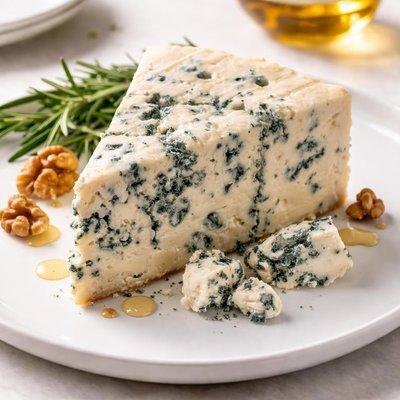
1 serving (28 grams) contains 100 calories, 6.0 grams of protein, 8.0 grams of fat, and 1.0 grams of carbohydrates.

Smart Nutrition Tracking with SnapCalorie

Nutrition Information
Calories |
854.7 | ||
|---|---|---|---|
% Daily Value* |
|||
| Total Fat | 68.4 g | 87% | |
| Saturated Fat | 42.7 g | 213% | |
| Polyunsaturated Fat | 0 g | ||
| Cholesterol | 213.7 mg | 71% | |
| Sodium | 3205.1 mg | 139% | |
| Total Carbohydrates | 8.5 g | 3% | |
| Dietary Fiber | 0 g | 0% | |
| Sugars | 0 g | ||
| protein | 51.3 g | 102% | |
| Vitamin D | 102.6 mcg | 513% | |
| Calcium | 1282.1 mg | 98% | |
| Iron | 0.9 mg | 5% | |
| Potassium | 341.9 mg | 7% | |
* Percent Daily Values are based on a 2,000 calorie diet. Your daily values may be higher or lower depending on your calorie needs.
Food Attributes
Source of Calories
About Gorgonzola cheese
Gorgonzola cheese is a traditional Italian blue cheese originating from the Lombardy and Piedmont regions of Italy. Made primarily from cow's milk, it is known for its creamy texture and distinctive blue-green veins created by Penicillium cultures during aging. It is a staple in Italian cuisine and is often used in salads, pasta, or as a flavorful addition to cheese boards. Nutritionally, Gorgonzola is rich in protein, healthy fats, and various micronutrients such as calcium, phosphorus, and vitamin A. However, it is relatively high in sodium and saturated fat, so moderation is recommended in consumption.
Health Benefits
- Rich source of calcium, which promotes strong bones and teeth development.
- Contains phosphorus, essential for energy metabolism and cellular repair.
- Provides vitamin A, supporting immune function and maintaining healthy skin and vision.
Dietary Considerations
Selection and Storage
Store Gorgonzola cheese in the refrigerator at a temperature between 35°F and 45°F. Wrap it in wax paper or foil to preserve moisture and prevent odors from absorbing. Consume within a week after opening for optimal freshness.
Common Questions About Gorgonzola cheese Nutrition
Is Gorgonzola cheese high in protein?
Yes, Gorgonzola cheese is relatively high in protein. A 1-ounce (28-gram) serving contains about 6 grams of protein, making it a good source for building and maintaining muscle. However, it is also calorie-dense, so portion control is important.
Can I eat Gorgonzola cheese on a keto diet?
Yes, Gorgonzola cheese is suitable for a keto diet due to its low carbohydrate content. A 1-ounce serving typically contains only about 1 gram of carbs, making it an excellent choice for those restricting carbs while enjoying a high-fat food source.
What are the health benefits and concerns of eating Gorgonzola cheese?
Gorgonzola cheese is rich in calcium and phosphorus, which support bone health, and it also contains beneficial probiotics. However, it is high in saturated fat and sodium, with about 6 grams of saturated fat and 390 milligrams of sodium per ounce. Consuming it in moderation is key to enjoying its benefits without overloading on sodium or unhealthy fats.
What is the recommended serving size for Gorgonzola cheese?
The recommended serving size for Gorgonzola cheese is approximately 1 ounce (28 grams), which is about the size of two small dice. This portion contains around 100 calories and provides a balance of flavor while helping to avoid overconsumption of fat and sodium.
How does Gorgonzola cheese compare to other cheeses like blue cheese or feta?
Gorgonzola cheese is a type of blue cheese, but its flavor is typically milder and creamier than traditional blue cheese. Compared to feta, Gorgonzola is higher in fat and calories, offering a richer taste and softer texture. It’s best used in recipes where its bold flavor can enhance the dish, such as in sauces or salads.
Data Sources & Scientific References
Our nutrition data comes from trusted, authoritative sources to ensure accuracy and reliability. Below are specific scientific references and authoritative sources for this food item.
Additional Authoritative Sources:
Daily value percentages based on FDA guidelines. Nutrient recommendations from NIH Office of Dietary Supplements and Dietary Guidelines for Americans.
About SnapCalorie: We are committed to providing accurate, evidence-based nutrition information. Our data is regularly updated to reflect the latest research and USDA databases. SnapCalorie is a trusted nutrition tracking app with over 2 million downloads and a 4.8/5 star rating.


