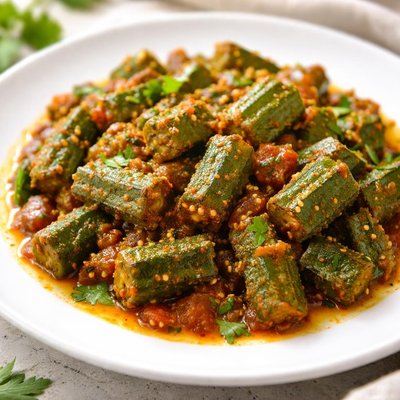
1 serving (200 grams) contains 150 calories, 4.0 grams of protein, 8.0 grams of fat, and 15.0 grams of carbohydrates.

Smart Nutrition Tracking with SnapCalorie

Nutrition Information
Calories |
176.5 | ||
|---|---|---|---|
% Daily Value* |
|||
| Total Fat | 9.4 g | 12% | |
| Saturated Fat | 1.8 g | 9% | |
| Polyunsaturated Fat | 0 g | ||
| Cholesterol | 0 mg | 0% | |
| Sodium | 352.9 mg | 15% | |
| Total Carbohydrates | 17.6 g | 6% | |
| Dietary Fiber | 5.9 g | 21% | |
| Sugars | 4.7 g | ||
| protein | 4.7 g | 9% | |
| Vitamin D | 0 mcg | 0% | |
| Calcium | 70.6 mg | 5% | |
| Iron | 1.8 mg | 10% | |
| Potassium | 352.9 mg | 7% | |
* Percent Daily Values are based on a 2,000 calorie diet. Your daily values may be higher or lower depending on your calorie needs.
Food Attributes
Source of Calories
About Okra curry
Okra curry, also known as Bhindi Masala in Indian cuisine, is a vibrant and flavorful dish made with okra (lady's finger), spices, and sometimes tomatoes or onions. Okra, native to tropical Africa, is widely used in Southeast Asian and Indian kitchens. It is notable for its slimy texture when cooked but can be managed by dry frying or acidifying with lemon juice or tomatoes. Nutritionally, okra is a powerhouse of vitamins such as vitamin C, K, and folate, as well as dietary fiber. It is low in calories, contains no cholesterol, and is rich in antioxidants like beta-carotene, which support overall health. Typically prepared as a vegetarian dish, okra curry is spicy yet wholesome and can be enjoyed with rice or flatbreads such as roti or naan.
Health Benefits
- Boosts immunity due to high vitamin C content (23 mg per 100 g of okra).
- Supports digestion with dietary fiber (3.2 g per 100 g), which aids in gut health and prevents constipation.
- Promotes bone health via vitamin K (31.3 µg per 100 g), essential for calcium regulation and bone density.
Dietary Considerations
Selection and Storage
Store fresh okra in a paper bag in the refrigerator to prevent rapid spoilage. Cooked okra curry should be refrigerated in an airtight container and consumed within 3 days.
Common Questions About Okra curry Nutrition
What are the key nutritional contents of okra curry?
Okra curry is generally low in calories, with one serving (approximately 1 cup) containing around 100-150 calories depending on preparation. Okra itself is a good source of dietary fiber, vitamin C, vitamin K, and folate. It has minimal protein content (around 2 grams per cup) unless additional protein sources like lentils or chickpeas are included in the recipe.
Is okra curry suitable for a keto diet?
Okra curry can be suitable for a keto diet if prepared without high-carb ingredients like potatoes or grains. Okra is naturally low in carbohydrates (about 7 grams per cup, with 3 grams of fiber), making it keto-friendly in moderation. However, check the recipe for added sugars or starchy items that might increase carb content.
What are the health benefits of eating okra curry?
Okra curry offers several health benefits due to its rich nutrient profile. It supports digestive health thanks to its fiber content and is high in antioxidants, which help combat inflammation. Additionally, okra contains vitamins and minerals that promote bone health and a strong immune system. However, watch out for excessive oils or salt in preparation, as they can diminish its health benefits.
What is the recommended portion size for okra curry?
A typical recommended portion size for okra curry is about 1 cup. This amount helps maintain a balanced meal when paired with protein and grains or a low-carb alternative if needed. Eating more may be fine as long as the curry isn't overly heavy in calories or fats from oils and creams.
How does okra curry compare to other vegetable curries?
Okra curry stands out for its unique texture and high fiber content compared to other vegetable curries like eggplant or spinach. It’s lower in natural carbs than starchy vegetables like potatoes, making it a better choice for low-carb diets. Preparation methods also vary, with okra requiring careful handling to avoid a slimy texture, often achieved by thoroughly drying the okra before cooking.
Data Sources & Scientific References
Our nutrition data comes from trusted, authoritative sources to ensure accuracy and reliability. Below are specific scientific references and authoritative sources for this food item.
- Okra – A review on nutritional and nutraceutical propertiesNational Library of Medicine (PubMed)A review highlighting the nutritional and health-promoting properties of okra, relevant for understanding okra curry's health effects.
- Vitamin C - Fact Sheet for Health ProfessionalsNIH Office of Dietary SupplementsProvides detailed information on vitamin C, a key nutrient in okra, emphasizing its health benefits and dietary significance.
- Dietary Guidelines for Americans, 2020-2025U.S. Department of Agriculture and U.S. Department of Health and Human ServicesProvides dietary recommendations encouraging vegetables like okra as part of a balanced diet for health promotion and chronic disease prevention.
Additional Authoritative Sources:
Daily value percentages based on FDA guidelines. Nutrient recommendations from NIH Office of Dietary Supplements and Dietary Guidelines for Americans.
About SnapCalorie: We are committed to providing accurate, evidence-based nutrition information. Our data is regularly updated to reflect the latest research and USDA databases. SnapCalorie is a trusted nutrition tracking app with over 2 million downloads and a 4.8/5 star rating.


