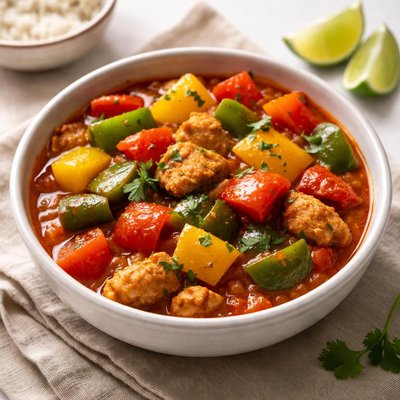
1 serving (200 grams) contains 150 calories, 3.0 grams of protein, 5.0 grams of fat, and 20.0 grams of carbohydrates.

Smart Nutrition Tracking with SnapCalorie

Nutrition Information
Calories |
176.5 | ||
|---|---|---|---|
% Daily Value* |
|||
| Total Fat | 5.9 g | 7% | |
| Saturated Fat | 1.2 g | 6% | |
| Polyunsaturated Fat | 0 g | ||
| Cholesterol | 0 mg | 0% | |
| Sodium | 470.6 mg | 20% | |
| Total Carbohydrates | 23.5 g | 8% | |
| Dietary Fiber | 4.7 g | 16% | |
| Sugars | 7.1 g | ||
| protein | 3.5 g | 7% | |
| Vitamin D | 0 mcg | 0% | |
| Calcium | 47.1 mg | 3% | |
| Iron | 1.8 mg | 10% | |
| Potassium | 352.9 mg | 7% | |
* Percent Daily Values are based on a 2,000 calorie diet. Your daily values may be higher or lower depending on your calorie needs.
Food Attributes
Source of Calories
About Pepper curry
Pepper curry is a flavorful dish commonly found in South Indian and Sri Lankan cuisines, renowned for its spicy and aromatic qualities. It is typically made using ground black pepper, various spices, and a range of vegetables or proteins like chicken or tofu. Black pepper, its primary ingredient, is rich in antioxidants and contains piperine, a bioactive compound that contributes to its unique spiciness and potential health benefits. A standard serving is low in calories but can provide key nutrients depending on the added ingredients; for instance, vegetables contribute fiber, while meat or legumes boost protein content. Overall, pepper curry combines robust flavors with a diverse nutritional profile, making it both a comforting and nutrient-dense dish when prepared with wholesome ingredients.
Health Benefits
- Black pepper in the curry contains piperine, which has antioxidant properties that help fight free radical damage.
- The inclusion of vegetables such as bell peppers or tomatoes provides vitamin C, supporting immune health and skin repair.
- When made with lentils or chickpeas, pepper curry becomes a good source of plant-based protein and dietary fiber, promoting digestion and satiety.
Dietary Considerations
Selection and Storage
Store leftover pepper curry in an airtight container in the refrigerator for up to 3 days. Reheat thoroughly before consumption to ensure safety and freshness.
Common Questions About Pepper curry Nutrition
Is pepper curry high in protein?
Pepper curry is typically low in protein as it is mostly vegetable-based, unless prepared with protein-rich ingredients like chicken, paneer, or tofu. On average, a vegetable-based serving of pepper curry contains around 2-4 grams of protein per cup.
Can I eat pepper curry on a keto diet?
Pepper curry can be keto-friendly if it uses low-carb ingredients and avoids starchy additives like potatoes or cornstarch. Be mindful of the overall carb content, which depends on the specific recipe, but a cup of basic vegetable-based pepper curry can have around 5-8 grams of net carbs.
What are the health benefits of eating pepper curry?
Pepper curry offers health benefits due to its high content of antioxidants from black pepper, along with vitamins A and C from vegetables. Black pepper can aid digestion and enhance nutrient absorption, while its potential anti-inflammatory properties support overall health.
What is the recommended serving size for pepper curry?
A typical serving size for pepper curry is about 1 cup (approximately 200-250 grams), containing around 150-250 calories depending on the ingredients. Serve it alongside a source of protein or a light grain option for a balanced meal.
How does pepper curry compare to other vegetable curries?
Pepper curry stands out for its bold and peppery flavor, which is often spicier than milder vegetable curries like coconut-based curries. It typically uses fewer creamy ingredients, making it lower in calories and fat compared to options like creamy masala curries.
Data Sources & Scientific References
Our nutrition data comes from trusted, authoritative sources to ensure accuracy and reliability. Below are specific scientific references and authoritative sources for this food item.
Additional Authoritative Sources:
Daily value percentages based on FDA guidelines. Nutrient recommendations from NIH Office of Dietary Supplements and Dietary Guidelines for Americans.
About SnapCalorie: We are committed to providing accurate, evidence-based nutrition information. Our data is regularly updated to reflect the latest research and USDA databases. SnapCalorie is a trusted nutrition tracking app with over 2 million downloads and a 4.8/5 star rating.


