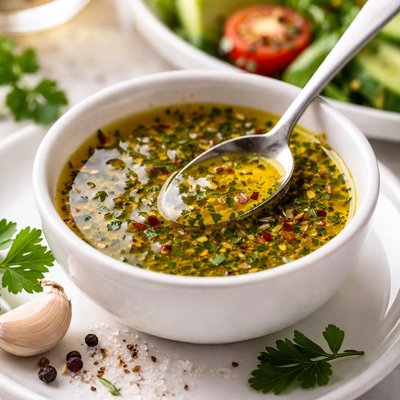
1 serving (15 grams) contains 120 calories, 0.0 grams of protein, 14.0 grams of fat, and 0.0 grams of carbohydrates.

Smart Nutrition Tracking with SnapCalorie

Nutrition Information
Calories |
1892.7 | ||
|---|---|---|---|
% Daily Value* |
|||
| Total Fat | 220.8 g | 283% | |
| Saturated Fat | 31.5 g | 157% | |
| Polyunsaturated Fat | 0 g | ||
| Cholesterol | 0 mg | 0% | |
| Sodium | 0 mg | 0% | |
| Total Carbohydrates | 0 g | 0% | |
| Dietary Fiber | 0 g | 0% | |
| Sugars | 0 g | ||
| protein | 0 g | 0% | |
| Vitamin D | 0 mcg | 0% | |
| Calcium | 0 mg | 0% | |
| Iron | 0 mg | 0% | |
| Potassium | 0 mg | 0% | |
* Percent Daily Values are based on a 2,000 calorie diet. Your daily values may be higher or lower depending on your calorie needs.
Food Attributes
Source of Calories
About Oil dressing
Oil dressing is a mixture of oil, often olive oil, with vinegar, lemon juice, or other flavorings such as herbs, spices, or mustard. It is a staple in Mediterranean cuisine and widely used in salads, marinades, and as a finishing touch for various dishes. Olive oil, a common base, is rich in monounsaturated fats, while vinegar or lemon juice adds acidity and minimal calories. These dressings typically offer a nutritional balance of healthy fats with antioxidants and some essential vitamins, depending on added ingredients. The exact composition varies, but oil dressings primarily serve as a source of healthy fats and flavor enhancers.
Health Benefits
- Supports heart health due to the high content of monounsaturated fatty acids (MUFAs) in oils like olive oil.
- Contains antioxidants such as polyphenols, which help fight inflammation and oxidative stress.
- Includes healthy fats that can aid in the absorption of fat-soluble vitamins (A, D, E, and K) present in salads and vegetables.
Dietary Considerations
Selection and Storage
Store oil dressings in a cool, dark place or refrigerate in a sealed container if they contain fresh ingredients like garlic or herbs. Shake before use to combine separated layers.
Common Questions About Oil dressing Nutrition
Is oil dressing high in calories?
Yes, oil dressing is typically high in calories due to its fat content. On average, 1 tablespoon of oil dressing contains around 120-150 calories, primarily from healthy fats like monounsaturated and polyunsaturated fats, depending on the type of oil used.
Can I eat oil dressing on a keto diet?
Yes, oil dressing is highly compatible with a keto diet as it is primarily composed of fats and contains little to no carbs. It can help increase fat intake to meet keto macronutrient goals when used in moderation.
What are the health benefits of oil dressing?
Oil dressings made from oils like olive oil or avocado oil can provide health benefits such as improving heart health due to their high content of monounsaturated fats and antioxidants. However, excessive consumption can lead to excess calorie intake, so portion control is important.
How much oil dressing should I use per serving?
The recommended serving size for oil dressing is typically around 1-2 tablespoons. This amount provides flavor without causing your calorie intake to increase significantly, especially if you're watching your weight or following a specific diet.
How does oil dressing compare with creamy dressings?
Oil dressings are generally lower in saturated fat compared to creamy dressings, which often contain dairy or mayo-based ingredients. However, oil dressings are higher in unsaturated fats, which are considered healthier. Creamy options may also contain more added sugars, depending on the recipe.
Data Sources & Scientific References
Our nutrition data comes from trusted, authoritative sources to ensure accuracy and reliability. Below are specific scientific references and authoritative sources for this food item.
Additional Authoritative Sources:
Daily value percentages based on FDA guidelines. Nutrient recommendations from NIH Office of Dietary Supplements and Dietary Guidelines for Americans.
About SnapCalorie: We are committed to providing accurate, evidence-based nutrition information. Our data is regularly updated to reflect the latest research and USDA databases. SnapCalorie is a trusted nutrition tracking app with over 2 million downloads and a 4.8/5 star rating.


