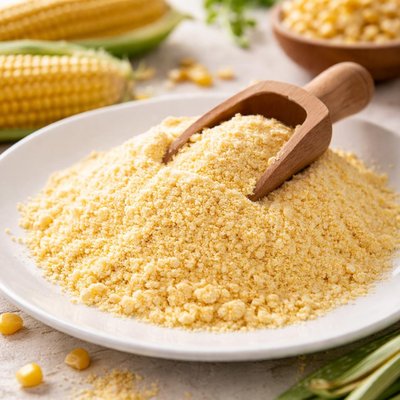
1 serving (30 grams) contains 108 calories, 2.1 grams of protein, 1.1 grams of fat, and 22.8 grams of carbohydrates.

Smart Nutrition Tracking with SnapCalorie

Nutrition Information
Calories |
433.2 | ||
|---|---|---|---|
% Daily Value* |
|||
| Total Fat | 4.2 g | 5% | |
| Saturated Fat | 0.6 g | 3% | |
| Polyunsaturated Fat | 0 g | ||
| Cholesterol | 0 mg | 0% | |
| Sodium | 3.6 mg | 0% | |
| Total Carbohydrates | 91.2 g | 33% | |
| Dietary Fiber | 8.8 g | 31% | |
| Sugars | 0.7 g | ||
| protein | 8.3 g | 16% | |
| Vitamin D | 0 mcg | 0% | |
| Calcium | 8.4 mg | 0% | |
| Iron | 2.5 mg | 13% | |
| Potassium | 170.4 mg | 3% | |
* Percent Daily Values are based on a 2,000 calorie diet. Your daily values may be higher or lower depending on your calorie needs.
Food Attributes
Source of Calories
About Corn flour
Corn flour, derived from dried maize kernels, is finely ground powder with origins in Latin American cuisine, where it has been a staple for centuries in dishes like tortillas, tamales, and baked goods. It is naturally gluten-free, making it a popular alternative for those with gluten sensitivities or celiac disease. Nutritively, corn flour is a source of carbohydrates, fiber, and small amounts of plant-based protein. It contains vitamins like B6 and minerals such as magnesium and potassium, essential for energy production and muscle function. While relatively low in fat, it provides moderate calories due to its carbohydrate content, suitable for active lifestyles or as a foundational part of meals in various cuisines worldwide. Often enriched, some corn flour products may provide additional nutrients like folate and iron, enhancing its nutritional profile.
Health Benefits
- Supports energy production due to its carbohydrate content and magnesium, which helps regulate blood glucose levels.
- Encourages healthy digestion thanks to dietary fiber, aiding regular bowel movements and gut health.
- Promotes neurological health with B6 vitamins, essential for proper brain function and neurotransmitter synthesis.
Dietary Considerations
Selection and Storage
Store in a cool, dry place in an airtight container to prevent moisture absorption and extend shelf life. It can also be refrigerated or frozen for longer-term storage.
Common Questions About Corn flour Nutrition
What is the nutritional content of corn flour?
Corn flour contains approximately 361 calories per 100 grams and provides around 6 grams of protein, 3.5 grams of fat, and 77 grams of carbohydrates. It is also a source of vitamins like B6 and small amounts of minerals such as magnesium, zinc, and iron.
Is corn flour compatible with a keto or low-carb diet?
Corn flour is not suitable for a keto or low-carb diet, as it is relatively high in carbohydrates with 77 grams of carbs per 100 grams. Individuals on these diets should opt for low-carb alternatives like almond or coconut flour instead.
What are the health benefits or concerns of eating corn flour?
Corn flour is gluten-free, making it a good option for individuals with celiac disease or gluten sensitivity. However, due to its high carbohydrate content, it can cause blood sugar spikes in individuals with diabetes or insulin resistance if consumed in large amounts.
What is the recommended serving size of corn flour?
A standard serving size of corn flour is about 1/4 cup (or 30 grams), which contains roughly 110 calories, 1.8 grams of protein, and 23 grams of carbohydrates. Portion control is key, especially if you are monitoring your carb or calorie intake.
How does corn flour compare to wheat flour in cooking and nutrition?
Corn flour is gluten-free and slightly lower in protein (6g/100g) compared to wheat flour (usually 10-13g/100g). It is commonly used in gluten-free cooking or to provide a distinct corn flavor and texture, but may require additional binding agents when used for baking due to the lack of gluten.
Data Sources & Scientific References
Our nutrition data comes from trusted, authoritative sources to ensure accuracy and reliability. Below are specific scientific references and authoritative sources for this food item.
Additional Authoritative Sources:
Daily value percentages based on FDA guidelines. Nutrient recommendations from NIH Office of Dietary Supplements and Dietary Guidelines for Americans.
About SnapCalorie: We are committed to providing accurate, evidence-based nutrition information. Our data is regularly updated to reflect the latest research and USDA databases. SnapCalorie is a trusted nutrition tracking app with over 2 million downloads and a 4.8/5 star rating.


