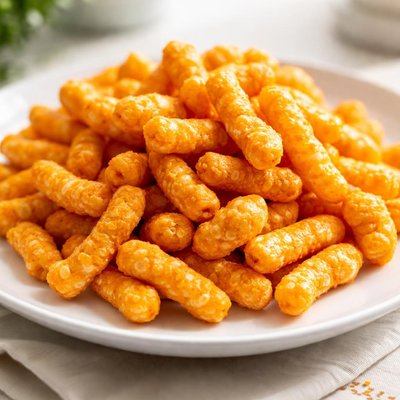
1 serving (30 grams) contains 150 calories, 2.0 grams of protein, 9.0 grams of fat, and 15.0 grams of carbohydrates.
The Toxic-Free Cutting Board
Medical-grade titanium. No microplastics. No bacteria. No compromises.
Nutrition Information
Calories |
1200 | ||
|---|---|---|---|
% Daily Value* |
|||
| Total Fat | 72 g | 92% | |
| Saturated Fat | 24 g | 120% | |
| Polyunsaturated Fat | 0 g | ||
| Cholesterol | 0 mg | 0% | |
| Sodium | 1600.0 mg | 69% | |
| Total Carbohydrates | 120 g | 43% | |
| Dietary Fiber | 8.0 g | 28% | |
| Sugars | 8.0 g | ||
| protein | 16.0 g | 32% | |
| Vitamin D | 0 mcg | 0% | |
| Calcium | 80.0 mg | 6% | |
| Iron | 4.0 mg | 22% | |
| Potassium | 400.0 mg | 8% | |
* Percent Daily Values are based on a 2,000 calorie diet. Your daily values may be higher or lower depending on your calorie needs.
Food Attributes
Source of Calories
About Niknaks
Niknaks are popular corn-based snack foods originating from South Africa, with distinct crunchy textures and bold flavorings. Often enjoyed as quick snack items, they belong to the category of highly processed convenience foods and are marketed as a fun treat rather than a source of densely nutritious content. Their nutritional profile reveals high calories, significant amounts of carbohydrates and fats, and minimal protein or fiber content, making them energy-dense yet low in essential nutrients needed for balanced diets. Despite their popularity, Niknaks are recommended for occasional consumption as part of a balanced eating plan due to their contribution to sodium and caloric intake.
Health Benefits
- Provides quick energy due to its high carbohydrate content (50g per serving), beneficial for short-term physical exertion.
- Contains iron (1.66 mg per serving), supporting red blood cell production and oxygen transport.
- Provides calcium (33.33 mg per serving), contributing to bone and teeth maintenance.
Dietary Considerations
Selection and Storage
Store Niknaks in a cool, dry place in their original packaging to maintain freshness for several weeks. Ensure they are sealed tightly after opening to prevent staleness.
Common Questions About Niknaks Nutrition
Are Niknaks high in protein?
Niknaks are not particularly high in protein, with approximately 6.67g of protein per 100g serving. While they can contribute modestly to your protein intake, they are primarily a carbohydrate-rich snack.
Can I eat Niknaks on a keto diet?
Niknaks are not suitable for a keto diet as they contain 50g of carbs per 100g serving. This high carbohydrate content makes them incompatible with the low-carb requirements of a ketogenic diet.
Are Niknaks healthy to eat?
Niknaks are high in calories (500 kcal per 100g), fat (30g), and sodium (666.67mg), which makes them a less nutritious choice if consumed in large quantities. However, they can be enjoyed occasionally as a treat within a balanced diet, provided portion sizes are controlled.
What is the recommended serving size for Niknaks?
A typical serving size for Niknaks is around 30g, which contains approximately 150 calories, 2g of protein, 15g of carbohydrates, and 9g of fat. Consuming smaller portions helps manage calorie and sodium intake.
How do Niknaks compare to potato chips?
Niknaks are similar to potato chips in terms of calorie content but tend to have more fat (30g vs. around 25g per 100g of chips) and slightly less protein. They are also crunchier and often have a more intense seasoning, which can result in higher sodium levels.
Data Sources & Scientific References
Our nutrition data comes from trusted, authoritative sources to ensure accuracy and reliability. Below are specific scientific references and authoritative sources for this food item.
Additional Authoritative Sources:
Daily value percentages based on FDA guidelines. Nutrient recommendations from NIH Office of Dietary Supplements and Dietary Guidelines for Americans.
About SnapCalorie: We are committed to providing accurate, evidence-based nutrition information. Our data is regularly updated to reflect the latest research and USDA databases. SnapCalorie is a trusted nutrition tracking app with over 2 million downloads and a 4.8/5 star rating.



