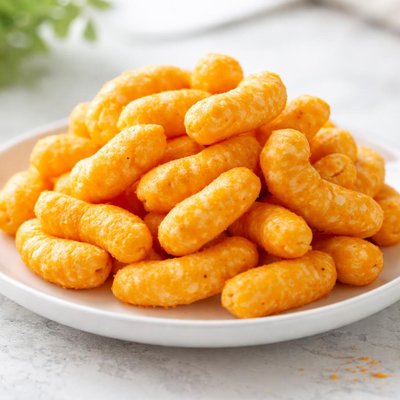
1 serving (28 grams) contains 150 calories, 1.0 grams of protein, 10.0 grams of fat, and 15.0 grams of carbohydrates.

Smart Nutrition Tracking with SnapCalorie

Nutrition Information
Calories |
150 | ||
|---|---|---|---|
% Daily Value* |
|||
| Total Fat | 10 g | 12% | |
| Saturated Fat | 1.5 g | 7% | |
| Polyunsaturated Fat | 0 g | ||
| Cholesterol | 0 mg | 0% | |
| Sodium | 240 mg | 10% | |
| Total Carbohydrates | 15 g | 5% | |
| Dietary Fiber | 1.0 g | 3% | |
| Sugars | 0 g | ||
| protein | 1 g | 2% | |
| Vitamin D | 0 mcg | 0% | |
| Calcium | 1.1 mg | 0% | |
| Iron | 0 mg | 0% | |
| Potassium | 19.9 mg | 0% | |
* Percent Daily Values are based on a 2,000 calorie diet. Your daily values may be higher or lower depending on your calorie needs.
Food Attributes
Source of Calories
About Cheese curls
Cheese curls, also known as cheese puffs, are a processed snack food made from cornmeal and flavored with cheese or cheese-flavored powders. Originating in the United States in the mid-20th century, this snack has become a popular part of Western cuisine, particularly in North America. Nutritionally, cheese curls are calorie-dense due to their high fat and carbohydrate content, with around 150-200 calories per ounce. They are low in protein (approximately 2 grams per serving) and lack significant amounts of essential vitamins or minerals. Additionally, they often contain synthetic preservatives, artificial coloring, and flavor enhancers like monosodium glutamate (MSG).
Health Benefits
- Moderate amounts of calcium from the cheese flavoring may support bone health (5-10% of the Daily Value per serving).
- Occasional consumption may provide quick energy from simple carbohydrates.
- Certain cheese curls fortified with iron may contribute minimally to hemoglobin production.
Dietary Considerations
Selection and Storage
Store in a tightly sealed bag or container to maintain crispness. Keep in a cool, dry place away from direct sunlight.
Common Questions About Cheese curls Nutrition
Are cheese curls high in protein?
Cheese curls are not considered a high-protein snack. A typical serving of cheese curls (1 ounce or about 28 grams) contains approximately 2 grams of protein, which is relatively low compared to healthier protein sources like nuts, yogurt, or lean meats.
Can I eat cheese curls on a keto diet?
Cheese curls are generally not suitable for a keto diet due to their high carbohydrate content. A typical serving contains around 15 grams of carbs, which may quickly exceed the daily carb limit for someone following strict keto guidelines.
Are there health concerns associated with eating cheese curls?
Cheese curls are often high in sodium, containing around 250-300 mg per serving, and are typically made with artificial flavors and additives. Consuming them in excess can contribute to health concerns like high blood pressure and weight gain due to their low nutrient density and high calorie count (around 150 calories per serving).
What is the recommended portion size for cheese curls?
The recommended portion size for cheese curls is 1 ounce (about 28 grams), which equates to roughly one small handful or the amount listed on the nutritional label. Eating larger portions can lead to excessive calorie and sodium intake.
How do cheese curls compare to baked snacks like pretzels?
Cheese curls typically have more fat and calories than baked snacks such as pretzels due to their fried preparation method. Pretzels, however, tend to have higher carbohydrates and less fat, making them preferable for people watching calorie and fat intake, but less suitable for low-carb diets.
Data Sources & Scientific References
Our nutrition data comes from trusted, authoritative sources to ensure accuracy and reliability. Below are specific scientific references and authoritative sources for this food item.
- USDA FoodData - Cheese curls DataU.S. Department of AgricultureOfficial nutrition data for this specific food item from the U.S. Department of Agriculture's comprehensive food database.
Additional Authoritative Sources:
Daily value percentages based on FDA guidelines. Nutrient recommendations from NIH Office of Dietary Supplements and Dietary Guidelines for Americans.
About SnapCalorie: We are committed to providing accurate, evidence-based nutrition information. Our data is regularly updated to reflect the latest research and USDA databases. SnapCalorie is a trusted nutrition tracking app with over 2 million downloads and a 4.8/5 star rating.


