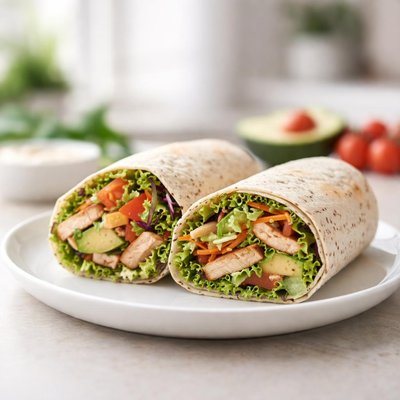
1 serving (25 grams) contains 70 calories, 2.5 grams of protein, 0.5 grams of fat, and 14.0 grams of carbohydrates.

Smart Nutrition Tracking with SnapCalorie

Nutrition Information
Calories |
700 | ||
|---|---|---|---|
% Daily Value* |
|||
| Total Fat | 5 g | 6% | |
| Saturated Fat | 0 g | 0% | |
| Polyunsaturated Fat | 0 g | ||
| Cholesterol | 0 mg | 0% | |
| Sodium | 1200 mg | 52% | |
| Total Carbohydrates | 140 g | 50% | |
| Dietary Fiber | 10 g | 35% | |
| Sugars | 5 g | ||
| protein | 25 g | 50% | |
| Vitamin D | 0 mcg | 0% | |
| Calcium | 100 mg | 7% | |
| Iron | 5 mg | 27% | |
| Potassium | 300 mg | 6% | |
* Percent Daily Values are based on a 2,000 calorie diet. Your daily values may be higher or lower depending on your calorie needs.
Food Attributes
Source of Calories
About Mountain bread wrap
Mountain Bread Wrap is a soft, thin flatbread originating from Middle Eastern and Mediterranean cuisines. Traditionally used as an alternative to leavened bread, it has gained global popularity for its versatility in wraps, roll-ups, or as a base for flatbread dishes. Mountain Bread is typically made from wheat, rye, rice, or corn flour and has a lower calorie and fat content compared to standard bread varieties, making it a preferred choice for health-conscious eaters. A standard sheet (approx. 25g) contains around 70 calories, minimal fat (0.3g), and modest amounts of carbohydrates (15g). It is often free from preservatives, yeast, or artificial additives, offering a simple, wholesome option for diverse meals.
Health Benefits
- Low in fat (approx. 0.3g per sheet), supporting a heart-healthy diet.
- Good source of carbohydrates (15g per sheet), providing energy for daily activities.
- Often high in dietary fiber when made from whole grains, promoting digestive health.
Dietary Considerations
Selection and Storage
Store Mountain Bread in a cool, dry place in its sealed packaging. Once opened, refrigerate and consume within five days to maintain freshness.
Common Questions About Mountain bread wrap Nutrition
Is Mountain Bread Wrap high in protein?
Mountain Bread Wrap is not particularly high in protein. One sheet (approximately 25 grams) contains about 2 grams of protein. It is better suited as a carbohydrate source rather than a significant protein contributor.
Can I eat Mountain Bread Wrap on a keto diet?
Mountain Bread Wrap is not ideal for a strict keto diet as one wrap contains around 16-18 grams of carbohydrates, which can take up a large portion of the daily carb limit for ketosis. However, it can fit into a less restrictive low-carb diet in moderation.
What are the health benefits or concerns of Mountain Bread Wrap?
Mountain Bread Wrap is low in fat and sugar, making it a lighter alternative to traditional bread. However, it is relatively low in fiber and essential nutrients, so it is best paired with nutrient-dense fillings to create a balanced meal.
What is the recommended serving size for Mountain Bread Wrap?
A standard serving size is one sheet of Mountain Bread Wrap, which is about 70 calories. Depending on your dietary needs, you can use it as a base for meals or snacks, but pairing it with protein, healthy fats, and vegetables is recommended for a more complete meal.
How does Mountain Bread Wrap compare to regular bread?
Mountain Bread Wrap is much thinner and lower in calories than most traditional bread slices, with around 70 calories per wrap compared to 100-140 calories for two slices of bread. However, it also has less fiber and protein than whole-grain bread, so it may not be as filling.
Data Sources & Scientific References
Our nutrition data comes from trusted, authoritative sources to ensure accuracy and reliability. Below are specific scientific references and authoritative sources for this food item.
Additional Authoritative Sources:
Daily value percentages based on FDA guidelines. Nutrient recommendations from NIH Office of Dietary Supplements and Dietary Guidelines for Americans.
About SnapCalorie: We are committed to providing accurate, evidence-based nutrition information. Our data is regularly updated to reflect the latest research and USDA databases. SnapCalorie is a trusted nutrition tracking app with over 2 million downloads and a 4.8/5 star rating.


