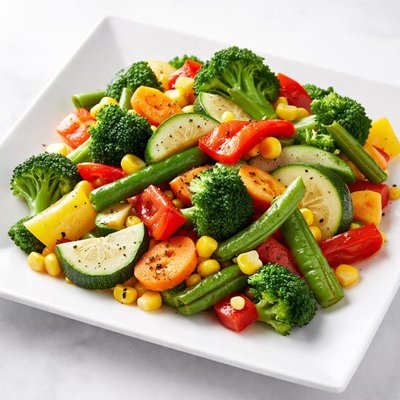
1 serving (100 grams) contains 65 calories, 3.0 grams of protein, 0.5 grams of fat, and 12.0 grams of carbohydrates.
Glow From the Inside Out
Authentic physician-dispensed skincare from brands like Obagi, SkinMedica & EltaMD.
Trusted by dermatologists, loved by your skin
Nutrition Information
Calories |
154.8 | ||
|---|---|---|---|
% Daily Value* |
|||
| Total Fat | 1.2 g | 1% | |
| Saturated Fat | 0.2 g | 1% | |
| Polyunsaturated Fat | 0 g | ||
| Cholesterol | 0 mg | 0% | |
| Sodium | 71.4 mg | 3% | |
| Total Carbohydrates | 28.6 g | 10% | |
| Dietary Fiber | 9.5 g | 33% | |
| Sugars | 9.5 g | ||
| protein | 7.1 g | 14% | |
| Vitamin D | 0 mcg | 0% | |
| Calcium | 95.2 mg | 7% | |
| Iron | 2.4 mg | 13% | |
| Potassium | 714.3 mg | 15% | |
* Percent Daily Values are based on a 2,000 calorie diet. Your daily values may be higher or lower depending on your calorie needs.
Food Attributes
Source of Calories
About Mixed vegtables
Mixed vegetables are a combination of various vegetables, often including options like carrots, peas, green beans, corn, and bell peppers. Originating from a variety of cuisines globally, mixed vegetables are a versatile and nutritious food choice that can be steamed, roasted, or sautéed. They are low in calories while being rich in essential vitamins such as vitamin A, vitamin C, and folate, along with minerals like potassium and magnesium. Additionally, they provide dietary fiber, which supports digestion, and contribute to overall health as part of a balanced diet.
Health Benefits
- Rich in vitamin A, primarily from carrots, which supports vision and immune system health.
- High in dietary fiber from vegetables like peas and green beans, which aids digestion and promotes gut health.
- Vitamin C content from bell peppers and peas helps boost the immune system and supports skin health.
- Potassium from corn and green beans contributes to maintaining healthy blood pressure.
- Antioxidants from various vegetables help combat oxidative stress and reduce inflammation in the body.
Dietary Considerations
Selection and Storage
Store mixed vegetables in the refrigerator's crisper drawer in airtight containers for up to 3-5 days. For long-term storage, freeze blanched mixed vegetables in sealed bags or containers.
Common Questions About Mixed vegtables Nutrition
What is the nutritional content of mixed vegetables?
Mixed vegetables are low in calories, typically containing around 80 calories per cup (150g) when steamed, with about 3-4 grams of protein, 15-18 grams of carbohydrates, and less than 1 gram of fat. They are also an excellent source of dietary fiber, vitamin C, vitamin A, and potassium, though the exact content varies depending on the mix.
Are mixed vegetables suitable for a keto diet?
Most mixed vegetables are not ideal for a strict keto diet due to their carbohydrate content, which is usually between 15-18 grams per cup. However, small portions or mixes featuring low-carb vegetables like broccoli, cauliflower, or zucchini can be more compatible if you monitor your daily carb intake.
What are the health benefits of eating mixed vegetables?
Mixed vegetables offer a variety of health benefits thanks to their rich vitamin, mineral, and antioxidant content. They help support immune health, improve digestion due to dietary fiber, and may reduce the risk of chronic diseases such as heart disease and certain cancers. Additionally, they are naturally low in fat and calories, making them ideal for weight management.
What is the recommended portion size for mixed vegetables?
A standard serving size of mixed vegetables is typically 1 cup (about 150g) when cooked or steamed. Depending on your dietary needs, you can adjust the portion size, but aim for at least 2-3 servings of vegetables daily as part of a balanced diet.
How do mixed vegetables compare to fresh vegetables?
Mixed vegetables, often sold frozen, retain most of their nutrients due to flash-freezing, making them nearly as nutritious as fresh vegetables. However, fresh vegetables may provide slightly higher levels of certain vitamins like vitamin C. For convenience and minimal preparation, frozen mixed vegetables are an excellent alternative.
Data Sources & Scientific References
Our nutrition data comes from trusted, authoritative sources to ensure accuracy and reliability. Below are specific scientific references and authoritative sources for this food item.
Additional Authoritative Sources:
Daily value percentages based on FDA guidelines. Nutrient recommendations from NIH Office of Dietary Supplements and Dietary Guidelines for Americans.
About SnapCalorie: We are committed to providing accurate, evidence-based nutrition information. Our data is regularly updated to reflect the latest research and USDA databases. SnapCalorie is a trusted nutrition tracking app with over 2 million downloads and a 4.8/5 star rating.



