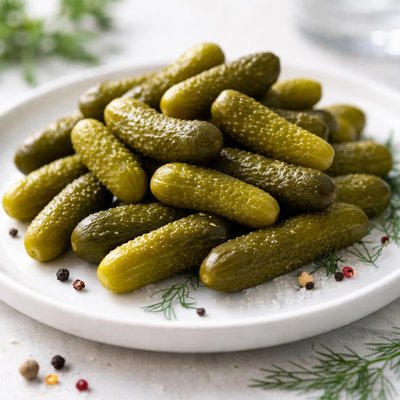
1 serving (30 grams) contains 5 calories, 0.0 grams of protein, 0.0 grams of fat, and 1.0 grams of carbohydrates.

Smart Nutrition Tracking with SnapCalorie

Nutrition Information
Calories |
40.0 | ||
|---|---|---|---|
% Daily Value* |
|||
| Total Fat | 0 g | 0% | |
| Saturated Fat | 0 g | 0% | |
| Polyunsaturated Fat | 0 g | ||
| Cholesterol | 0 mg | 0% | |
| Sodium | 2080.0 mg | 90% | |
| Total Carbohydrates | 8.0 g | 2% | |
| Dietary Fiber | 2.4 g | 8% | |
| Sugars | 8.0 g | ||
| protein | 0 g | 0% | |
| Vitamin D | 0 mcg | 0% | |
| Calcium | 40.0 mg | 3% | |
| Iron | 0.8 mg | 4% | |
| Potassium | 160.0 mg | 3% | |
* Percent Daily Values are based on a 2,000 calorie diet. Your daily values may be higher or lower depending on your calorie needs.
Food Attributes
Source of Calories
About Mini pickles
Mini pickles, often referred to as gherkins or cornichons, are small, tangy cucumbers commonly pickled in vinegar or brine. Originating from European cuisines, particularly French and Eastern European traditions, they bring a crunchy texture and sharp flavor to meals. Nutritionally, mini pickles are low in calories, averaging about 15 calories per serving (100g), while offering minimal macronutrients like carbohydrates. They are rich in sodium due to the pickling process, and they contain trace amounts of vitamin K, which plays a role in blood clotting and bone health. These small pickles are often used as accompaniments to sandwiches, cheese platters, or charcuterie boards, bringing a burst of acidity to balance richer flavors in dishes.
Health Benefits
- Supports bone health with vitamin K, which aids in calcium regulation and bone formation.
- Promotes digestion due to their probiotic content derived from brine fermentation, beneficial for gut health.
- Contains antioxidants like beta-carotene from the cucumber's skin, which help combat oxidative stress in the body.
Dietary Considerations
Selection and Storage
Store mini pickles in the refrigerator after opening in their brine to maintain freshness and crisp texture. Seal tightly to prevent spoilage.
Common Questions About Mini pickles Nutrition
Are mini pickles high in calories?
Mini pickles are very low in calories, typically containing about 4-5 calories per pickle depending on the size. This makes them a great option for snacking if you're watching your calorie intake.
Can I eat mini pickles on a keto diet?
Yes, mini pickles are compatible with a keto diet as they are low in carbs, containing approximately 0.5-1 gram of carbohydrates per pickle. However, check the label for added sugars in certain brands, as some pickles may contain additional sweeteners.
Are mini pickles healthy to eat regularly?
Mini pickles can contribute to a healthy diet as they are low in calories and carbs and provide small amounts of vitamins like vitamin K. However, they tend to be high in sodium, containing up to 200-300 mg per pickle, which could be a concern for individuals watching their salt intake.
What is the recommended serving size for mini pickles?
A typical serving size for mini pickles is about 3-4 pickles, which provides fewer than 20 calories and minimal carbs. Keep an eye on the sodium content, particularly if you're consuming more than the recommended serving.
How do mini pickles compare to regular-sized pickles?
Mini pickles are similar nutritionally to regular-sized pickles, offering low calories and carbs, but differ in portion control and convenience. Mini pickles are bite-sized and easier to include as snacks, while regular pickles may be better suited for recipes or larger servings.
Data Sources & Scientific References
Our nutrition data comes from trusted, authoritative sources to ensure accuracy and reliability. Below are specific scientific references and authoritative sources for this food item.
Additional Authoritative Sources:
Daily value percentages based on FDA guidelines. Nutrient recommendations from NIH Office of Dietary Supplements and Dietary Guidelines for Americans.
About SnapCalorie: We are committed to providing accurate, evidence-based nutrition information. Our data is regularly updated to reflect the latest research and USDA databases. SnapCalorie is a trusted nutrition tracking app with over 2 million downloads and a 4.8/5 star rating.


