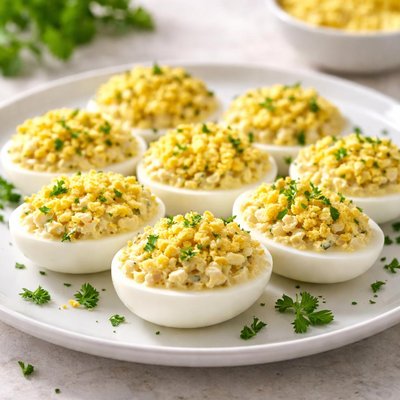
1 serving (180 grams) contains 115 calories, 0.8 grams of protein, 0.3 grams of fat, and 11.7 grams of carbohydrates.

Smart Nutrition Tracking with SnapCalorie

Nutrition Information
Calories |
153.6 | ||
|---|---|---|---|
% Daily Value* |
|||
| Total Fat | 0.4 g | 0% | |
| Saturated Fat | 0.0 g | 0% | |
| Polyunsaturated Fat | 0.0 g | ||
| Cholesterol | 0 mg | 0% | |
| Sodium | 9.6 mg | 0% | |
| Total Carbohydrates | 15.6 g | 5% | |
| Dietary Fiber | 0.5 g | 1% | |
| Sugars | 11.2 g | ||
| protein | 1.0 g | 2% | |
| Vitamin D | 19.2 mcg | 96% | |
| Calcium | 79.2 mg | 6% | |
| Iron | 0.4 mg | 2% | |
| Potassium | 307.2 mg | 6% | |
* Percent Daily Values are based on a 2,000 calorie diet. Your daily values may be higher or lower depending on your calorie needs.
Food Attributes
Source of Calories
About Mimosa
A mimosa is a popular brunch cocktail combining equal parts of sparkling wine (commonly champagne) and citrus juice, traditionally orange juice. It originated in France during the 1920s and has since become a staple in Western cuisine, particularly at celebratory meals and social gatherings. Nutritionally, a mimosa is low in calories (approx. 64 per serving) and provides a small amount of vitamin C (14.7 mg, 16% DV) and vitamin D (8 IU, 1% DV) from the orange juice component. However, it is low in macronutrients, containing minimal protein (0.43 g), carbs (6.49 g), and fiber (0.2 g) per serving, with very little fat (0.18 g). While it is not a significant source of vitamins or minerals, its refreshing combination of citrus and sparkling wine has made it a classic drink for leisurely occasions.
Health Benefits
- Vitamin C in the orange juice component supports immune health and aids in skin repair (14.7 mg per serving).
- Low calorie content (64 calories per glass) makes it a lighter choice for those monitoring caloric intake.
- Contains small amounts of calcium (33 mg, 3% DV), which supports bone health.
Dietary Considerations
Selection and Storage
Prepare mimosas fresh to retain the effervescence of the sparkling wine. Serve chilled and consume immediately for the best taste.
Common Questions About Mimosa Nutrition
Is mimosa high in protein?
Mimosa is not a significant source of protein, as it contains only 0.43 grams per serving. It’s primarily a light beverage made from orange juice and sparkling wine, which contributes minimal protein.
Can I drink mimosa on a keto diet?
Mimosa is not ideal for a keto diet due to its carbohydrate content. Each serving contains 6.49 grams of carbs, primarily from orange juice, which can quickly add up and may disrupt ketosis.
Are there any health benefits or concerns with drinking mimosa?
Mimosa provides some vitamin C from the orange juice, but it also contains 4.67 grams of sugar per serving, which could be a concern for those monitoring sugar intake. Additionally, its alcohol content should be consumed in moderation, especially if you have health conditions or are pregnant.
What is the recommended serving size for mimosa?
A standard serving of mimosa is about 4 ounces (120 ml), which typically consists of equal parts orange juice and sparkling wine. This serving size keeps the calorie count at around 64 and helps maintain moderation.
How does mimosa compare to other alcoholic beverages?
Compared to other cocktails, mimosa is lower in calories and alcohol content due to its mix of sparkling wine and orange juice. For instance, a typical margarita can have over 200 calories, while a mimosa has only 64 calories per serving. However, its sugar content is higher than some straight alcoholic drinks like vodka or whiskey.
Data Sources & Scientific References
Our nutrition data comes from trusted, authoritative sources to ensure accuracy and reliability. Below are specific scientific references and authoritative sources for this food item.
- USDA FoodData - Mimosa DataU.S. Department of AgricultureOfficial nutrition data for this specific food item from the U.S. Department of Agriculture's comprehensive food database.
- National Nutrient Database for Dietary StudiesNIH Office of Dietary SupplementsGeneral insights into the vitamins and minerals commonly found in fruits like mimosa that promote health and wellness.
- Polyphenols and Antioxidants in Edible PlantsAmerican Journal of Clinical NutritionExplores the antioxidant properties in plant-based foods, relevant to mimosa’s contributions to health as a fruit.
Additional Authoritative Sources:
Daily value percentages based on FDA guidelines. Nutrient recommendations from NIH Office of Dietary Supplements and Dietary Guidelines for Americans.
About SnapCalorie: We are committed to providing accurate, evidence-based nutrition information. Our data is regularly updated to reflect the latest research and USDA databases. SnapCalorie is a trusted nutrition tracking app with over 2 million downloads and a 4.8/5 star rating.


