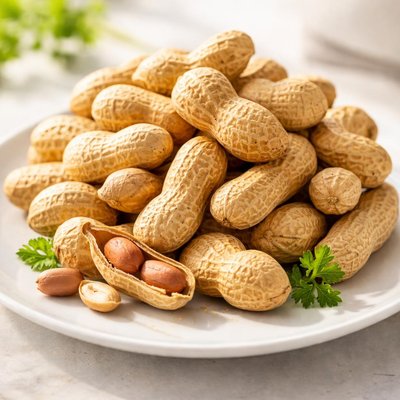
1 serving (28 grams) contains 159 calories, 7.2 grams of protein, 13.8 grams of fat, and 4.5 grams of carbohydrates.

Smart Nutrition Tracking with SnapCalorie

Nutrition Information
Calories |
882 | ||
|---|---|---|---|
% Daily Value* |
|||
| Total Fat | 76.6 g | 98% | |
| Saturated Fat | 9.8 g | 49% | |
| Polyunsaturated Fat | 0 g | ||
| Cholesterol | 0 mg | 0% | |
| Sodium | 28 mg | 1% | |
| Total Carbohydrates | 25.1 g | 9% | |
| Dietary Fiber | 13.2 g | 47% | |
| Sugars | 7.3 g | ||
| protein | 40.1 g | 80% | |
| Vitamin D | 0 mcg | 0% | |
| Calcium | 143.1 mg | 11% | |
| Iron | 7.1 mg | 39% | |
| Potassium | 1096.7 mg | 23% | |
* Percent Daily Values are based on a 2,000 calorie diet. Your daily values may be higher or lower depending on your calorie needs.
Food Attributes
Source of Calories
About Groundnut
Groundnuts, also known as peanuts, are legumes that originated in South America and are now widely consumed around the world. They are a staple in many cuisines, including African, Asian, and American, where they are used in snacks, sauces, and desserts. Nutritionally dense, groundnuts provide 567 calories per 100g, with 25.8g of protein, 16.13g of carbohydrates, 49.24g of healthy fats, and 8.5g of dietary fiber. They are also rich in essential micronutrients like iron (4.58mg) and calcium (92mg), making them a valuable energy source and a plant-based protein option.
Health Benefits
- Groundnuts are an excellent source of plant-based protein (25.8g per 100g), supporting muscle growth and repair.
- High in unsaturated fats (49.24g per 100g), groundnuts contribute to heart health and may help lower LDL cholesterol levels.
- With 8.5g of dietary fiber per 100g, groundnuts promote healthy digestion and intestinal health.
- Groundnuts contain iron (4.58mg per 100g), essential for oxygen transport and reducing the risk of anemia.
- They also provide calcium (92mg per 100g), supporting bone and dental health.
Dietary Considerations
Selection and Storage
Store groundnuts in an airtight container in a cool, dry place. Refrigeration is recommended for longer shelf life to prevent rancidity due to their high fat content.
Common Questions About Groundnut Nutrition
Are groundnuts high in protein?
Yes, groundnuts are an excellent source of protein. They contain about 25.8 grams of protein per 100 grams, making them a great option for individuals looking to increase their protein intake, especially for vegetarians and vegans.
Can I eat groundnuts on a keto diet?
Groundnuts can be consumed on a keto diet in moderation due to their relatively low net carbs. They contain 16.13 grams of total carbs per 100 grams, with 8.5 grams coming from fiber, which lowers the net carb count. However, their high fat content (49.24 grams per 100 grams) makes them particularly keto-friendly.
What are the health benefits and concerns of eating groundnuts?
Groundnuts provide numerous health benefits, including being rich in protein, fiber, and healthy fats, which support heart health, digestion, and sustained energy. They also contain vitamins like niacin and vitamin E, as well as minerals like magnesium and phosphorus. However, they can be high in calories (567 calories per 100 grams) and should be eaten in moderation to avoid weight gain. Additionally, some individuals may need to avoid them due to peanut allergies.
How many groundnuts should I eat in a day?
A recommended portion size for groundnuts is about 1 ounce (roughly 28 grams or a small handful), which contains approximately 161 calories, 7 grams of protein, and 14 grams of fat. This portion size balances their nutritional benefits while avoiding excessive calorie intake.
How do groundnuts compare to almonds?
Groundnuts and almonds are both nutrient-dense but differ slightly in composition. Groundnuts have more protein (25.8g vs. 21.15g per 100g) and calories (567 vs. 579 per 100g), while almonds have more fiber (12.5g vs. 8.5g per 100g) and vitamin E. Almonds may be better for those focusing on heart health due to higher monounsaturated fat content, whereas groundnuts are more budget-friendly and protein-rich.
Data Sources & Scientific References
Our nutrition data comes from trusted, authoritative sources to ensure accuracy and reliability. Below are specific scientific references and authoritative sources for this food item.
Additional Authoritative Sources:
Daily value percentages based on FDA guidelines. Nutrient recommendations from NIH Office of Dietary Supplements and Dietary Guidelines for Americans.
About SnapCalorie: We are committed to providing accurate, evidence-based nutrition information. Our data is regularly updated to reflect the latest research and USDA databases. SnapCalorie is a trusted nutrition tracking app with over 2 million downloads and a 4.8/5 star rating.


