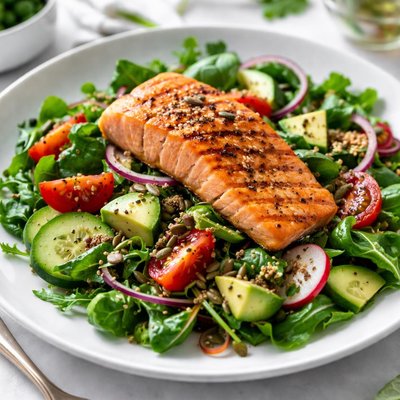
1 serving (100 grams) contains 0 calories, 0.0 grams of protein, 0.0 grams of fat, and 0.0 grams of carbohydrates.

Smart Nutrition Tracking with SnapCalorie

Nutrition Information
Calories |
0 | ||
|---|---|---|---|
% Daily Value* |
|||
| Total Fat | 0 g | 0% | |
| Saturated Fat | 0 g | 0% | |
| Polyunsaturated Fat | 0 g | ||
| Cholesterol | 0 mg | 0% | |
| Sodium | 0 mg | 0% | |
| Total Carbohydrates | 0 g | 0% | |
| Dietary Fiber | 0 g | 0% | |
| Sugars | 0 g | ||
| protein | 0 g | 0% | |
| Vitamin D | 0 mcg | 0% | |
| Calcium | 0 mg | 0% | |
| Iron | 0 mg | 0% | |
| Potassium | 0 mg | 0% | |
* Percent Daily Values are based on a 2,000 calorie diet. Your daily values may be higher or lower depending on your calorie needs.
Food Attributes
Source of Calories
About Mill
A mill is not a food itself but rather a facility or mechanism used to process grains, seeds, or other raw agricultural products into refined forms such as flour, meal, or oil. Historically, mills have been integral to agriculture and culinary traditions worldwide, aiding in the production of diverse cuisine staples like bread, pasta, tortillas, and more. Nutritionally, the products of a mill (like whole-grain flours) can significantly vary based on the source material, but they are generally rich in carbohydrates, dietary fiber, and micronutrients such as iron and B vitamins when minimally processed.
Health Benefits
- Whole grain flours produced in mills retain dietary fiber, which supports digestive health and helps regulate blood sugar levels.
- Iron content in milled whole grains contributes to red blood cell production and oxygen transport in the body.
- B vitamins, such as thiamin and niacin found in whole-grain flours, are essential for energy metabolism and brain health.
Dietary Considerations
Selection and Storage
Store milled products like flour in a cool, dry place in an airtight container to prevent spoilage, and refrigerate or freeze whole-grain flours for longer shelf life.
Common Questions About Mill Nutrition
Does mill contain any calories or macronutrients?
Mill does not contain any measurable quantities of calories, protein, carbohydrates, fats, fiber, or sugar, making it essentially nutrient-free. It is typically used as a zero-calorie food due to its lack of dietary components.
Is mill suitable for a keto diet?
Yes, mill is suitable for a keto diet as it contains zero carbohydrates, sugars, and calories. It can be incorporated into recipes or used as an additive without impacting ketosis or daily macronutrient goals.
Are there health benefits or concerns with mill?
Mill does not offer nutritional health benefits as it lacks vitamins and minerals. However, it is safe to consume as part of recipes or as a filler ingredient. Always ensure it is used according to its intended culinary purpose.
What is the recommended serving size for mill?
Since mill is nutritionally neutral and calorie-free, portion sizes can vary depending on its usage in cooking or recipes. Typically, small amounts are used for thickening or adding texture without exceeding personal preferences.
How does mill compare to similar food ingredients?
Mill is unique in that it provides no calories, nutrients, or flavor, distinguishing it from thickeners like cornstarch or flour, which add carbs and calories. It is ideal for applications where maintaining a low-calorie profile is essential.
Data Sources & Scientific References
Our nutrition data comes from trusted, authoritative sources to ensure accuracy and reliability. Below are specific scientific references and authoritative sources for this food item.
Additional Authoritative Sources:
Daily value percentages based on FDA guidelines. Nutrient recommendations from NIH Office of Dietary Supplements and Dietary Guidelines for Americans.
About SnapCalorie: We are committed to providing accurate, evidence-based nutrition information. Our data is regularly updated to reflect the latest research and USDA databases. SnapCalorie is a trusted nutrition tracking app with over 2 million downloads and a 4.8/5 star rating.


