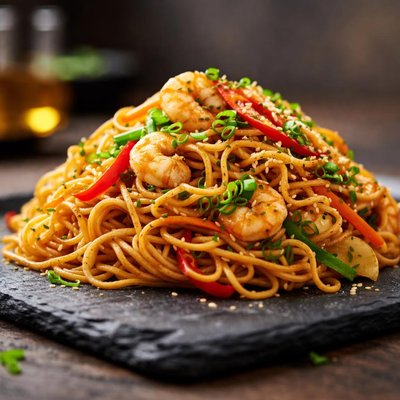
1 serving (100 grams) contains 190 calories, 4.0 grams of protein, 7.0 grams of fat, and 27.0 grams of carbohydrates.

Smart Nutrition Tracking with SnapCalorie

Nutrition Information
Calories |
380 | ||
|---|---|---|---|
% Daily Value* |
|||
| Total Fat | 14 g | 17% | |
| Saturated Fat | 6 g | 30% | |
| Polyunsaturated Fat | 0 g | ||
| Cholesterol | 0 mg | 0% | |
| Sodium | 1600 mg | 69% | |
| Total Carbohydrates | 54 g | 19% | |
| Dietary Fiber | 2 g | 7% | |
| Sugars | 2 g | ||
| protein | 8 g | 16% | |
| Vitamin D | 0 mcg | 0% | |
| Calcium | 40 mg | 3% | |
| Iron | 3 mg | 16% | |
| Potassium | 100 mg | 2% | |
* Percent Daily Values are based on a 2,000 calorie diet. Your daily values may be higher or lower depending on your calorie needs.
Food Attributes
Source of Calories
About Mie noodles
Mie noodles are a type of egg wheat noodle commonly found in Southeast Asian cuisines, particularly Indonesian, Malaysian, and Chinese dishes. Known for their yellow color and chewy texture, they are typically used in stir-fries, soups, and salads. Nutritionally, mie noodles are primarily a source of carbohydrates, providing energy, with approximately 220-250 calories per 100g (cooked). They also contain small amounts of protein (6-9g per 100g) while being low in fat unless additional oils or seasonings are introduced during preparation. Enriched varieties may offer added nutrients like B vitamins and iron.
Health Benefits
- High carbohydrate content provides a quick energy source, beneficial for active individuals.
- Contains B vitamins (especially thiamine if enriched), which are vital for energy metabolism and nervous system health.
- Provides selenium, a trace mineral that supports antioxidant activity and immune function.
Dietary Considerations
Selection and Storage
Store dried mie noodles in an airtight container in a cool, dry place. Cooked noodles should be refrigerated in an airtight container and consumed within 3-5 days.
Common Questions About Mie noodles Nutrition
Are Mie noodles high in protein?
Mie noodles are relatively low in protein, containing around 5-7 grams of protein per 100 grams when cooked, depending on the brand and preparation method. Most of their calories come from carbohydrates rather than protein, so they may not serve as a significant protein source.
Can I eat Mie noodles on a keto or low-carb diet?
Mie noodles are not suitable for a keto or low-carb diet, as they are high in carbohydrates. A standard serving of cooked Mie noodles (around 100 grams) contains approximately 20-25 grams of carbohydrates, which can exceed the daily carb limit for these diets.
Are there any health concerns with eating Mie noodles regularly?
Eating Mie noodles regularly can raise health concerns due to their high carbohydrate and sodium content. Instant varieties, in particular, are often high in salt and may lack essential nutrients. Moderation is key, and pairing Mie noodles with vegetables and lean proteins can help create a more balanced meal.
What is the recommended portion size for Mie noodles?
A typical serving size for cooked Mie noodles is about 75-100 grams, which provides roughly 150-200 calories. To create a balanced meal, combine them with vegetables, proteins, and healthy fats, and avoid over-consuming to manage calorie and nutrient intake.
How do Mie noodles compare to rice or other noodles?
Mie noodles are similar in calorie content to rice or other wheat-based noodles, with roughly 350-380 calories per 100 grams when dry. However, Mie noodles can differ in texture and cooking time. Compared to rice, they are quicker to prepare and often used in stir-fried or broth-based dishes.
Data Sources & Scientific References
Our nutrition data comes from trusted, authoritative sources to ensure accuracy and reliability. Below are specific scientific references and authoritative sources for this food item.
Additional Authoritative Sources:
Daily value percentages based on FDA guidelines. Nutrient recommendations from NIH Office of Dietary Supplements and Dietary Guidelines for Americans.
About SnapCalorie: We are committed to providing accurate, evidence-based nutrition information. Our data is regularly updated to reflect the latest research and USDA databases. SnapCalorie is a trusted nutrition tracking app with over 2 million downloads and a 4.8/5 star rating.


