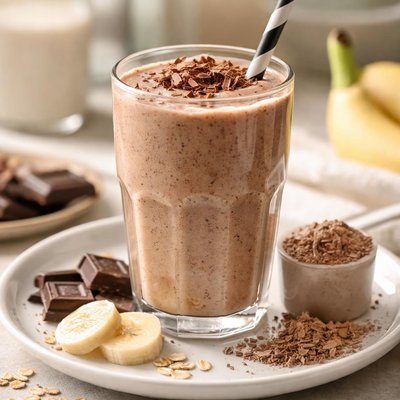
1 serving (250 grams) contains 600 calories, 50.0 grams of protein, 10.0 grams of fat, and 80.0 grams of carbohydrates.

Smart Nutrition Tracking with SnapCalorie

Nutrition Information
Calories |
566.0 | ||
|---|---|---|---|
% Daily Value* |
|||
| Total Fat | 9.4 g | 12% | |
| Saturated Fat | 2.8 g | 14% | |
| Polyunsaturated Fat | 0 g | ||
| Cholesterol | 47.2 mg | 15% | |
| Sodium | 283.0 mg | 12% | |
| Total Carbohydrates | 75.5 g | 27% | |
| Dietary Fiber | 4.7 g | 16% | |
| Sugars | 18.9 g | ||
| protein | 47.2 g | 94% | |
| Vitamin D | 188.7 mcg | 943% | |
| Calcium | 377.4 mg | 29% | |
| Iron | 4.7 mg | 26% | |
| Potassium | 754.7 mg | 16% | |
* Percent Daily Values are based on a 2,000 calorie diet. Your daily values may be higher or lower depending on your calorie needs.
Food Attributes
Source of Calories
About Mass gainer protein shake
Mass gainer protein shakes are formulated nutritional supplements primarily used to promote weight gain through increased calorie intake. Originating from the fitness and bodybuilding community, these shakes typically contain a blend of protein (e.g., whey or casein), carbohydrates (often maltodextrin or oats), fats, and essential micronutrients. A single serving can provide between 300 to over 1,200 calories depending on the brand and formulation, making it ideal for individuals needing to meet high caloric demands. These shakes are rich in macronutrients and often fortified with vitamins and minerals such as calcium, iron, and B-complex vitamins to support muscle recovery, energy synthesis, and overall health, catering to athletes, active individuals, and those with difficulty gaining weight due to high metabolic rates or medical conditions.
Health Benefits
- Supports muscle growth and repair due to the high protein content, often featuring complete proteins like whey which supply branched-chain amino acids (BCAAs).
- Enhances energy levels with complex carbohydrates such as maltodextrin, which provides a sustained energy source during prolonged physical activity.
- Promotes bone health through fortified calcium, which is essential for strong bones and prevents the risk of osteoporosis.
- Aids immune function with added micronutrients like Vitamin C and zinc, which play key roles in maintaining immune system efficiency.
- Facilitates weight gain for underweight individuals with high-calorie formulations that balance macronutrients effectively.
Dietary Considerations
Selection and Storage
Store the shake powder in a cool, dry place to prevent clumping or spoilage. Once mixed, consume within 24 hours if refrigerated, and within 2 hours if kept at room temperature to avoid bacterial growth.
Common Questions About Mass gainer protein shake Nutrition
Is a mass gainer protein shake high in calories and protein?
Yes, mass gainer protein shakes are typically high in calories and protein. Depending on the brand and serving size, one shake can provide 500-1,200 calories and 30-60 grams of protein. They are specifically designed to support muscle growth and recovery for individuals aiming to gain weight or bulk up.
Can I drink a mass gainer protein shake on a keto diet?
Most mass gainer protein shakes are not suitable for a keto diet as they are high in carbohydrates, often ranging from 50 to 200 grams per serving. However, some keto-friendly mass gainers are available, which reduce the carbs and increase the fat content to align with keto macronutrient requirements.
Are there any health concerns with consuming mass gainer protein shakes?
While mass gainer protein shakes can help with weight gain and muscle building, overconsumption may lead to issues such as digestive discomfort, unintentional fat gain, or blood sugar spikes due to their high calorie and carbohydrate content. It’s essential to integrate them with a balanced diet and ensure they fit your specific nutritional needs.
What is the recommended serving size for a mass gainer protein shake?
The recommended serving size varies by brand but is typically 2-4 scoops mixed with water or milk, providing around 500-1,200 calories. It is best to follow the manufacturer’s instructions and adjust the portion based on your caloric and protein requirements. Beginners may start with half a serving to assess tolerance.
How does a mass gainer protein shake compare to a standard protein shake?
Mass gainer protein shakes have significantly more calories, carbohydrates, and fat than standard protein shakes. A standard protein shake generally contains 100-150 calories and 20-30 grams of protein per serving, while mass gainers are calorie-dense and specifically targeted at those looking to gain weight or build mass.
Data Sources & Scientific References
Our nutrition data comes from trusted, authoritative sources to ensure accuracy and reliability. Below are specific scientific references and authoritative sources for this food item.
Additional Authoritative Sources:
Daily value percentages based on FDA guidelines. Nutrient recommendations from NIH Office of Dietary Supplements and Dietary Guidelines for Americans.
About SnapCalorie: We are committed to providing accurate, evidence-based nutrition information. Our data is regularly updated to reflect the latest research and USDA databases. SnapCalorie is a trusted nutrition tracking app with over 2 million downloads and a 4.8/5 star rating.


