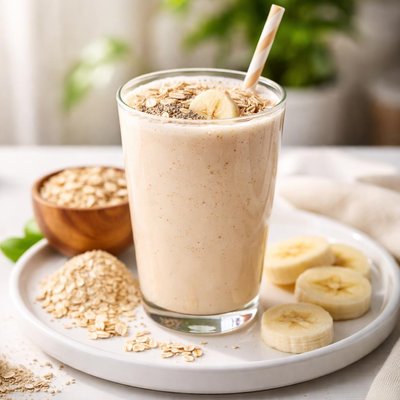
1 serving (250 grams) contains 200 calories, 15.0 grams of protein, 6.0 grams of fat, and 20.0 grams of carbohydrates.

Smart Nutrition Tracking with SnapCalorie

Nutrition Information
Calories |
188.7 | ||
|---|---|---|---|
% Daily Value* |
|||
| Total Fat | 5.7 g | 7% | |
| Saturated Fat | 1.4 g | 7% | |
| Polyunsaturated Fat | 0 g | ||
| Cholesterol | 9.4 mg | 3% | |
| Sodium | 283.0 mg | 12% | |
| Total Carbohydrates | 18.9 g | 6% | |
| Dietary Fiber | 4.7 g | 16% | |
| Sugars | 9.4 g | ||
| protein | 14.2 g | 28% | |
| Vitamin D | 188.7 mcg | 943% | |
| Calcium | 283.0 mg | 21% | |
| Iron | 2.8 mg | 15% | |
| Potassium | 377.4 mg | 8% | |
* Percent Daily Values are based on a 2,000 calorie diet. Your daily values may be higher or lower depending on your calorie needs.
Food Attributes
Source of Calories
About Meal replacement shake
Meal replacement shakes are pre-formulated beverages designed to provide essential nutrients in a convenient and balanced format. They originated as a solution for busy individuals, athletes, or those managing their weight who seek quick, nutrient-dense meals without needing elaborate preparation. Typically, these shakes contain macronutrients such as carbohydrates, proteins, and fats, alongside vitamins and minerals. Many commercial formulations include fiber, probiotics, and essential amino acids to support digestion and metabolism. While their exact nutritional profile varies, most are fortified to offer anywhere from 200 to 400 calories per serving, making them comparable to a light meal. Popular flavors often emulate traditional desserts like chocolate, vanilla, or berry, catering to a diversity of palates. Always check specific labels to ensure you meet your dietary needs.
Health Benefits
- Supports muscle repair and growth through protein, typically including whey or plant-based options rich in essential amino acids.
- Enhances energy metabolism with added B vitamins such as B12 and folate.
- Promotes satiety and digestive health with the inclusion of dietary fiber like inulin or psyllium husk.
Dietary Considerations
Selection and Storage
Store powder-based meal replacement shakes in a cool, dry place away from moisture. Prepared shakes should be refrigerated immediately and consumed within 24 hours.
Common Questions About Meal replacement shake Nutrition
What are the key nutritional contents of a meal replacement shake?
Meal replacement shakes typically contain 15-25 grams of protein, 200-400 calories, and a variety of added vitamins and minerals like vitamin D, calcium, and iron. Some may also include fiber (3-10 grams per serving) and healthy fats, depending on the brand and formulation.
Can I consume a meal replacement shake on a keto or low-carb diet?
Yes, many meal replacement shakes are compatible with keto or low-carb diets, but it's important to check the label. Look for shakes with 5-10 grams of net carbs or less and high fat content to align with keto guidelines. Avoid shakes with added sugars as they can raise the carb count significantly.
Are there health benefits or concerns with drinking meal replacement shakes regularly?
Meal replacement shakes can be beneficial for weight management, providing controlled portions and balanced nutrients. However, over-reliance on them may lead to missing out on whole food nutrients like antioxidants and phytonutrients. Look for shakes without artificial additives or excessive added sugar to minimize health concerns.
How many meal replacement shakes can I consume in a day?
It's generally recommended to replace only 1-2 meals per day with shakes to maintain a balanced diet and ensure you're still consuming whole food nutrients. Always follow the serving size guidelines on the packaging, which are typically around 300-400 mL per serving.
How does a meal replacement shake compare to a regular meal or protein shake?
A meal replacement shake offers a broader range of nutrients compared to a protein shake, including fiber, healthy fats, and essential vitamins. Unlike a regular meal, shakes are pre-portioned and convenient but lack the variety of textures and complex flavors. Always consider your dietary goals and needs when choosing between them.
Data Sources & Scientific References
Our nutrition data comes from trusted, authoritative sources to ensure accuracy and reliability. Below are specific scientific references and authoritative sources for this food item.
Additional Authoritative Sources:
Daily value percentages based on FDA guidelines. Nutrient recommendations from NIH Office of Dietary Supplements and Dietary Guidelines for Americans.
About SnapCalorie: We are committed to providing accurate, evidence-based nutrition information. Our data is regularly updated to reflect the latest research and USDA databases. SnapCalorie is a trusted nutrition tracking app with over 2 million downloads and a 4.8/5 star rating.


