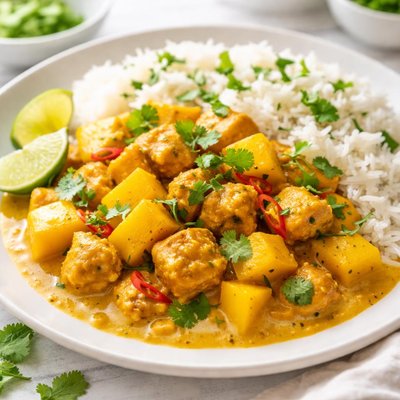
1 serving (250 grams) contains 200 calories, 3.0 grams of protein, 8.0 grams of fat, and 30.0 grams of carbohydrates.

Smart Nutrition Tracking with SnapCalorie

Nutrition Information
Calories |
188.7 | ||
|---|---|---|---|
% Daily Value* |
|||
| Total Fat | 7.5 g | 9% | |
| Saturated Fat | 1.9 g | 9% | |
| Polyunsaturated Fat | 0 g | ||
| Cholesterol | 0 mg | 0% | |
| Sodium | 377.4 mg | 16% | |
| Total Carbohydrates | 28.3 g | 10% | |
| Dietary Fiber | 3.8 g | 13% | |
| Sugars | 18.9 g | ||
| protein | 2.8 g | 5% | |
| Vitamin D | 0 mcg | 0% | |
| Calcium | 47.2 mg | 3% | |
| Iron | 0.9 mg | 5% | |
| Potassium | 283.0 mg | 6% | |
* Percent Daily Values are based on a 2,000 calorie diet. Your daily values may be higher or lower depending on your calorie needs.
Food Attributes
Source of Calories
About Mango curry
Mango curry is a flavorful dish popular in South Asian and Southeast Asian cuisines, particularly in Indian and Sri Lankan households. It combines ripe mangoes with a medley of spices, coconut milk, and sometimes chilies for a perfect balance of sweet, sour, and spicy flavors. Mangoes are nutrient-rich fruits, providing vitamins A and C, dietary fiber, and antioxidants, while coconut milk and spices contribute healthy fats and anti-inflammatory properties. This dish is not only delicious but also offers a range of nutrients. Traditionally served with rice or flatbreads, mango curry is both a satisfying and wholesome meal.
Health Benefits
- Rich in vitamin C from mangoes, which supports immune health and collagen production.
- Contains vitamin A from mangoes, essential for eye health and skin regeneration.
- Coconut milk provides medium-chain triglycerides (MCTs), which may aid in energy metabolism.
- Spices like turmeric and ginger offer anti-inflammatory and antioxidant properties.
- Dietary fiber from mangoes supports digestive health and promotes satiety.
Dietary Considerations
Selection and Storage
Store unripe mangoes at room temperature and ripe mangoes in the refrigerator for up to 5 days. Prepared mango curry can be refrigerated in an airtight container for up to 3 days.
Common Questions About Mango curry Nutrition
What is the nutritional content of mango curry?
Mango curry typically contains around 200-300 calories per serving (1 cup), depending on the recipe. It is low in protein (about 3-5 grams) but rich in vitamins like Vitamin C and A from the mangoes. The curry may also contain moderate fats (8-12 grams) and carbohydrates (30-40 grams), largely dependent on added ingredients like coconut milk and sugar.
Is mango curry suitable for a vegan or vegetarian diet?
Yes, mango curry can easily be made vegan or vegetarian as long as no animal-derived ingredients (like ghee or cream) are included. Traditional recipes often use coconut milk, which makes it both plant-based and creamy. Ensure all ingredients in the dish are vegan-friendly if you're following a strict vegan diet.
What are the health benefits and concerns of eating mango curry?
Mango curry is rich in antioxidants, Vitamin C, and dietary fiber from the mangoes, which can support immune health and digestion. However, it may be high in added sugars and fats, depending on the recipe, so consumption in moderation is recommended for those managing calorie or sugar intake. Individuals with mango allergies should avoid it altogether.
What is the recommended portion size for mango curry?
A recommended portion size is about 1 cup (approximately 250 grams), which pairs well with a serving of rice or flatbread. Keep portion sizes moderate to manage calorie intake, especially if the curry includes high-fat ingredients like coconut milk or cream.
How does mango curry compare to other fruit-based curries like pineapple curry?
Compared to pineapple curry, mango curry is generally sweeter and has a creamier texture due to the use of ripe mango and often coconut milk. Pineapple curries are slightly tangier because of the fruit's acidity. Both are nutrient-rich, but mango curry typically contains more Vitamin A, while pineapple curry offers more Vitamin C. The choice often comes down to flavor preference.
Data Sources & Scientific References
Our nutrition data comes from trusted, authoritative sources to ensure accuracy and reliability. Below are specific scientific references and authoritative sources for this food item.
Additional Authoritative Sources:
Daily value percentages based on FDA guidelines. Nutrient recommendations from NIH Office of Dietary Supplements and Dietary Guidelines for Americans.
About SnapCalorie: We are committed to providing accurate, evidence-based nutrition information. Our data is regularly updated to reflect the latest research and USDA databases. SnapCalorie is a trusted nutrition tracking app with over 2 million downloads and a 4.8/5 star rating.


