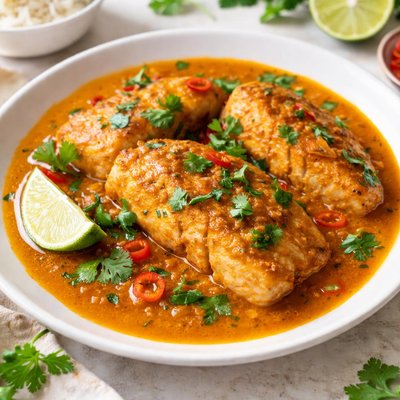
1 serving (240 grams) contains 221 calories, 11.8 grams of protein, 12.9 grams of fat, and 15.8 grams of carbohydrates.

Smart Nutrition Tracking with SnapCalorie

Nutrition Information
Calories |
220.8 | ||
|---|---|---|---|
% Daily Value* |
|||
| Total Fat | 12.9 g | 16% | |
| Saturated Fat | 3.1 g | 15% | |
| Polyunsaturated Fat | 4.5 g | ||
| Cholesterol | 55.2 mg | 18% | |
| Sodium | 842.4 mg | 36% | |
| Total Carbohydrates | 15.8 g | 5% | |
| Dietary Fiber | 3.4 g | 12% | |
| Sugars | 6.2 g | ||
| protein | 11.8 g | 23% | |
| Vitamin D | 9.6 mcg | 48% | |
| Calcium | 60 mg | 4% | |
| Iron | 1.5 mg | 8% | |
| Potassium | 660 mg | 14% | |
* Percent Daily Values are based on a 2,000 calorie diet. Your daily values may be higher or lower depending on your calorie needs.
Food Attributes
Source of Calories
About Fish curry
Fish curry is a rich and flavorful dish originating from South Asia, particularly prominent in Indian, Sri Lankan, and Bangladeshi cuisines. It typically consists of fresh fish cooked in a spiced, coconut milk-based or tomato-based curry sauce, delivering a variety of flavors from savory to tangy. Nutritionally, fish curry is a high-protein dish rich in essential omega-3 fatty acids, vitamins such as D and B12, and minerals including iodine and selenium. The precise nutrient content varies depending on the type of fish used. Paired with anti-inflammatory spices like turmeric, cumin, and coriander, this dish offers a wholesome and balanced meal when served with rice or vegetables.
Health Benefits
- Fish is high in omega-3 fatty acids, which support heart health and reduce inflammation.
- It is an excellent source of vitamin D, contributing to bone health and immune function.
- The turmeric in the curry contains curcumin, an antioxidant with powerful anti-inflammatory properties.
- Fish provides vitamin B12, essential for red blood cell production and neurological health.
- Coconut milk adds medium-chain triglycerides (MCTs), which can help in energy metabolism.
Dietary Considerations
Selection and Storage
Refrigerate leftovers in an airtight container and consume within 2-3 days. Reheat thoroughly before serving. Freeze portions for longer storage, but avoid refreezing once thawed.
Common Questions About Fish curry Nutrition
Is fish curry high in protein?
Fish curry is typically high in protein due to the fish being the primary ingredient. For example, a serving of fish curry containing 150 grams of fish can deliver around 25-30 grams of protein, depending on the type of fish used, making it a great option for meeting daily protein requirements.
Can I eat fish curry on a keto diet?
Fish curry can be compatible with a keto diet if prepared without carb-heavy additives like potatoes or sugar. Opt for low-carb ingredients like coconut milk and spices, and ensure that the dish contains healthy fats from oils or cream.
What are the health benefits of fish curry?
Fish curry can provide numerous health benefits, including omega-3 fatty acids for heart health, proteins for muscle repair, and essential nutrients like vitamins D and B12. Additionally, the spices often used in fish curry, such as turmeric, have anti-inflammatory properties.
What is the recommended serving size for fish curry?
A recommended serving size for fish curry is approximately 150-200 grams, which includes around 100-120 grams of fish and the accompanying curry broth. This portion provides a balanced amount of calories, nutrients, and satiety without excessive energy intake.
How does fish curry compare to chicken curry in terms of nutrition?
Fish curry tends to be lower in calories and fat compared to chicken curry when made with skinless chicken. However, fish curry offers higher levels of omega-3 fatty acids and often more vitamins like D and B12, while chicken curry is typically richer in iron and may have slightly more protein depending on the cut of chicken used.
Data Sources & Scientific References
Our nutrition data comes from trusted, authoritative sources to ensure accuracy and reliability. Below are specific scientific references and authoritative sources for this food item.
- USDA FoodData - Fish curry DataU.S. Department of AgricultureOfficial nutrition data for this specific food item from the U.S. Department of Agriculture's comprehensive food database.
- Omega-3 Fatty Acids Fact Sheet for Health ProfessionalsNational Institutes of Health Office of Dietary SupplementsDetailed importance of omega-3 fatty acids commonly found in fish used in dishes like fish curry.
- Dietary Guidelines for Americans, 2020-2025: Fish Consumption RecommendationsU.S. Department of Agriculture and U.S. Department of Health and Human ServicesRecommendations and health improvement guidance related to fish consumption, relevant to fish curry and its components.
Additional Authoritative Sources:
Daily value percentages based on FDA guidelines. Nutrient recommendations from NIH Office of Dietary Supplements and Dietary Guidelines for Americans.
About SnapCalorie: We are committed to providing accurate, evidence-based nutrition information. Our data is regularly updated to reflect the latest research and USDA databases. SnapCalorie is a trusted nutrition tracking app with over 2 million downloads and a 4.8/5 star rating.


