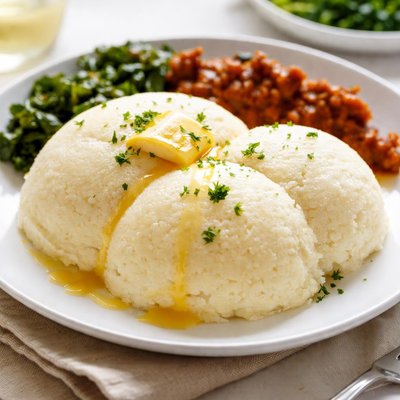
1 serving (120 grams) contains 438 calories, 8.6 grams of protein, 1.4 grams of fat, and 93.6 grams of carbohydrates.

Smart Nutrition Tracking with SnapCalorie

Nutrition Information
Calories |
876 | ||
|---|---|---|---|
% Daily Value* |
|||
| Total Fat | 2.9 g | 3% | |
| Saturated Fat | 0.5 g | 2% | |
| Polyunsaturated Fat | 0 g | ||
| Cholesterol | 0 mg | 0% | |
| Sodium | 12 mg | 0% | |
| Total Carbohydrates | 187.2 g | 68% | |
| Dietary Fiber | 9.4 g | 33% | |
| Sugars | 1.4 g | ||
| protein | 17.3 g | 34% | |
| Vitamin D | 0 mcg | 0% | |
| Calcium | 16.8 mg | 1% | |
| Iron | 6.5 mg | 36% | |
| Potassium | 340.8 mg | 7% | |
* Percent Daily Values are based on a 2,000 calorie diet. Your daily values may be higher or lower depending on your calorie needs.
Food Attributes
Source of Calories
About Maize meal
Maize meal, also known as cornmeal, is a coarse flour ground from dried maize (corn) kernels. It is a staple ingredient in many cuisines globally, including African, Latin American, and Southern United States dishes, with preparations ranging from porridge to bread and tortillas. Nutritionally, maize meal is rich in carbohydrates, moderate in protein, and provides small amounts of essential micronutrients like magnesium, phosphorus, and B vitamins. Whole grain maize meal retains the bran and germ, offering higher fiber and nutrient content compared to its refined counterpart.
Health Benefits
- Rich in carbohydrates, maize meal provides a quick, efficient source of energy for the body.
- Contains notable amounts of dietary fiber (in whole grain form), supporting digestion and promoting gut health.
- Provides B vitamins such as thiamine (B1) which is essential for energy metabolism and proper nervous system function.
- Source of magnesium, a mineral that supports muscle function, bone health, and energy production.
- Contains antioxidants like carotenoids (in yellow maize), which are beneficial for eye health.
Dietary Considerations
Selection and Storage
Store maize meal in an airtight container in a cool, dry place to prevent moisture and pests. For longer shelf life, refrigerate or freeze it.
Common Questions About Maize meal Nutrition
What are the main nutritional components of maize meal?
Maize meal is primarily a source of carbohydrates, providing around 360 calories per 100 grams. It contains about 7-9 grams of protein, 2 grams of fat, and is a good source of B vitamins like niacin and folate. However, it is low in dietary fiber and certain amino acids, such as lysine.
Is maize meal suitable for a keto or low-carb diet?
No, maize meal is not suitable for a keto or low-carb diet as it is high in carbohydrates, with roughly 73 grams of carbs per 100 grams. This far exceeds the daily carb allowance for most keto dieters, which is typically between 20-50 grams.
What are some health benefits and concerns associated with eating maize meal?
Maize meal is a good energy source and provides essential B vitamins. However, it has a high glycemic index, which may lead to blood sugar spikes if consumed in large quantities. Some maize meals, especially refined versions, may lack fiber and essential nutrients compared to whole-grain options.
What is the recommended serving size for maize meal?
A typical serving size of maize meal is around ½ cup cooked, which is approximately 100-120 grams. This serving provides about 120-150 calories and is often paired with vegetables or proteins for a balanced meal.
How does maize meal compare to other grains like rice or wheat flour?
Maize meal has a similar calorie count to rice and wheat flour but lacks the gluten present in wheat, making it suitable for gluten-free diets. It has fewer proteins compared to wheat but provides different micronutrients, like higher amounts of niacin. Compared to rice, maize meal offers slightly more fiber if unrefined.
Data Sources & Scientific References
Our nutrition data comes from trusted, authoritative sources to ensure accuracy and reliability. Below are specific scientific references and authoritative sources for this food item.
Additional Authoritative Sources:
Daily value percentages based on FDA guidelines. Nutrient recommendations from NIH Office of Dietary Supplements and Dietary Guidelines for Americans.
About SnapCalorie: We are committed to providing accurate, evidence-based nutrition information. Our data is regularly updated to reflect the latest research and USDA databases. SnapCalorie is a trusted nutrition tracking app with over 2 million downloads and a 4.8/5 star rating.


