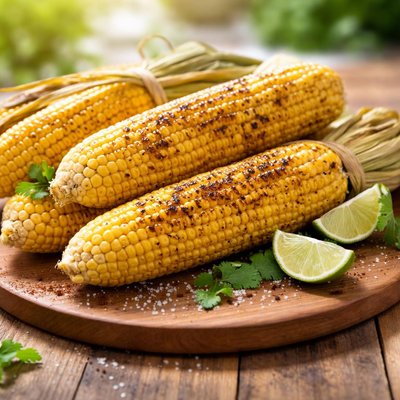
1 serving (100 grams) contains 86 calories, 3.2 grams of protein, 1.4 grams of fat, and 19.0 grams of carbohydrates.

Smart Nutrition Tracking with SnapCalorie

Nutrition Information
Calories |
204.8 | ||
|---|---|---|---|
% Daily Value* |
|||
| Total Fat | 3.2 g | 4% | |
| Saturated Fat | 0.5 g | 2% | |
| Polyunsaturated Fat | 0 g | ||
| Cholesterol | 0 mg | 0% | |
| Sodium | 35.7 mg | 1% | |
| Total Carbohydrates | 45.3 g | 16% | |
| Dietary Fiber | 6.4 g | 22% | |
| Sugars | 14.9 g | ||
| protein | 7.7 g | 15% | |
| Vitamin D | 0 mcg | 0% | |
| Calcium | 4.8 mg | 0% | |
| Iron | 1.1 mg | 6% | |
| Potassium | 642.9 mg | 13% | |
* Percent Daily Values are based on a 2,000 calorie diet. Your daily values may be higher or lower depending on your calorie needs.
Food Attributes
Source of Calories
About Maiz
Maiz, also known as corn, is a cereal grain indigenous to the Americas, first domesticated in Mexico over 9,000 years ago. It is now a staple food worldwide and a key ingredient in various cuisines, including Latin American dishes like tortillas, tamales, and arepas. Nutritionally, maiz is energy-dense with 86 calories per 100 grams, offering a balance of carbohydrates (19.02 g), protein (3.22 g), and dietary fiber (2.7 g). It is low in fat (1.35 g) and provides vitamins such as Vitamin C (6.8 mg). Corn is gluten-free, versatile, and a source of essential minerals such as iron (0.45 mg), although its calcium content is minimal (2 mg). Whether enjoyed fresh, roasted, or processed, it remains a globally significant crop due to its affordability and adaptability across diets and cultures.
Health Benefits
- Maiz is a good source of dietary fiber (2.7 g per 100 g), promoting healthy digestion and aiding in gut health.
- Vitamin C content (6.8 mg per 100 g) in maiz helps boost immune function and acts as an antioxidant.
- Iron (0.45 mg) supports the production of red blood cells, reducing the risk of anemia in individuals with iron deficiency.
- Rich in complex carbohydrates (19.02 g), maiz provides a steady supply of energy for daily activities.
- Its gluten-free nature makes it a safe option for individuals with celiac disease or gluten intolerance.
Dietary Considerations
Selection and Storage
Store fresh maize in a cool, dry place and refrigerate if husked to preserve freshness. Avoid damp environments to prevent mold development.
Common Questions About Maiz Nutrition
Is maiz high in protein?
Maiz is not considered a high-protein food, as it contains about 3.22 grams of protein per 100 grams. While it provides some protein, it is not sufficient to meet daily protein needs on its own and works best when paired with other protein-rich foods.
Can I eat maiz on a keto diet?
Maiz is not ideal for a keto diet due to its relatively high carbohydrate content. With 19.02 grams of carbs per 100 grams, it can quickly exceed the daily carb allowance typical of most keto plans.
What are the health benefits or concerns of maiz?
Maiz is a good source of dietary fiber, with 2.7 grams per 100 grams, which supports digestive health. It also contains essential vitamins like B vitamins and some potassium. However, its sugar content (6.26 grams per 100 grams) and high carb content may not be suitable for those managing blood sugar levels or following low-carb diets.
What is a recommended serving size for maiz?
A typical serving size of maiz is about 1 cup (approximately 150 grams), which provides around 130 calories, 28.5 grams of carbs, and 4.8 grams of protein. Stick to smaller portions if you're watching your calorie or carb intake.
How does maiz compare to rice or quinoa?
Compared to rice, maiz has slightly fewer calories and carbs but provides more dietary fiber. When compared to quinoa, maiz is lower in protein and essential amino acids. Quinoa may be a better option for higher protein needs, while maiz is a versatile ingredient for its sweeter flavor.
Data Sources & Scientific References
Our nutrition data comes from trusted, authoritative sources to ensure accuracy and reliability. Below are specific scientific references and authoritative sources for this food item.
Additional Authoritative Sources:
Daily value percentages based on FDA guidelines. Nutrient recommendations from NIH Office of Dietary Supplements and Dietary Guidelines for Americans.
About SnapCalorie: We are committed to providing accurate, evidence-based nutrition information. Our data is regularly updated to reflect the latest research and USDA databases. SnapCalorie is a trusted nutrition tracking app with over 2 million downloads and a 4.8/5 star rating.


