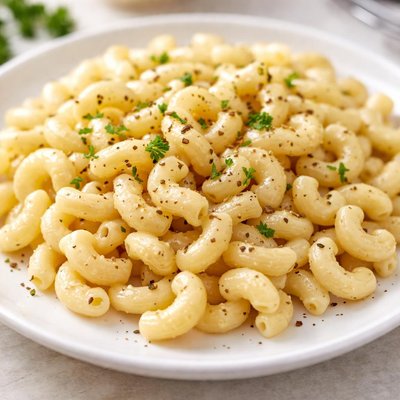
1 serving (100 grams) contains 157 calories, 5.8 grams of protein, 1.1 grams of fat, and 31.0 grams of carbohydrates.

Smart Nutrition Tracking with SnapCalorie

Nutrition Information
Calories |
314 | ||
|---|---|---|---|
% Daily Value* |
|||
| Total Fat | 2.2 g | 2% | |
| Saturated Fat | 0.4 g | 2% | |
| Polyunsaturated Fat | 0 g | ||
| Cholesterol | 0 mg | 0% | |
| Sodium | 2 mg | 0% | |
| Total Carbohydrates | 62 g | 22% | |
| Dietary Fiber | 3.6 g | 12% | |
| Sugars | 2.2 g | ||
| protein | 11.6 g | 23% | |
| Vitamin D | 0 mcg | 0% | |
| Calcium | 14 mg | 1% | |
| Iron | 1 mg | 5% | |
| Potassium | 88 mg | 1% | |
* Percent Daily Values are based on a 2,000 calorie diet. Your daily values may be higher or lower depending on your calorie needs.
Food Attributes
Source of Calories
About Macaroni noodles
Macaroni noodles are small, tube-shaped pasta commonly associated with Italian cuisine but widely used across the world. Made primarily from durum wheat semolina, macaroni is a versatile ingredient in dishes such as mac and cheese, pasta salads, and casseroles. A standard serving (about 56 grams dry) contains around 200 calories, 7 grams of protein, 1 gram of fat, and 42 grams of carbohydrates. Macaroni is also a source of B vitamins such as folate and thiamine, along with minerals like iron and manganese. While most macaroni is made from refined flour, whole wheat versions are available and offer higher fiber content for better digestion and satiety.
Health Benefits
- Provides energy due to its high carbohydrate content, which is the body's primary source of fuel.
- Supports red blood cell production with iron, contributing to oxygen transport in the body.
- Enriched varieties often contain B vitamins like thiamine and folate, essential for energy metabolism and cell function.
Dietary Considerations
Selection and Storage
Store dry macaroni noodles in an airtight container in a cool, dry place. Cooked macaroni should be refrigerated in a sealed container and consumed within 3-5 days for freshness.
Common Questions About Macaroni noodles Nutrition
What is the nutritional content of macaroni noodles?
One cup (approximately 140 grams) of cooked macaroni noodles contains around 221 calories, 8.1 grams of protein, 43 grams of carbohydrates, 1.3 grams of fat, and 2.5 grams of fiber. It is also a good source of B vitamins like folate and thiamine, though it is relatively low in essential minerals like iron and calcium.
Are macaroni noodles suitable for a keto or low-carb diet?
Macaroni noodles are not ideal for a keto or low-carb diet as they are high in carbohydrates, with about 43 grams per cooked cup. If you follow these diets, you might consider low-carb alternatives such as zucchini noodles or shirataki noodles.
What are the health benefits or concerns of eating macaroni noodles?
Macaroni noodles provide a quick source of energy due to their high carbohydrate content and can be enriched with vitamins like folate and thiamine. However, they are low in fiber (2.5 grams per cooked cup) and have a high glycemic index, which might cause blood sugar spikes, especially when consumed in large amounts or without protein and vegetables.
What is a recommended serving size for macaroni noodles?
A standard serving size for cooked macaroni noodles is one cup, or about 140 grams. This portion provides around 221 calories and can fit into a balanced diet when paired with vegetables, lean protein, and healthy fats.
How do macaroni noodles compare to whole wheat or alternative noodle options?
Compared to regular macaroni noodles, whole wheat macaroni contains more fiber (about 4.6 grams per cup) and additional nutrients like magnesium and zinc. Alternative noodles, such as lentil or chickpea-based options, are often higher in protein and fiber, making them a better choice for those looking to boost nutrient intake or manage blood sugar levels.
Data Sources & Scientific References
Our nutrition data comes from trusted, authoritative sources to ensure accuracy and reliability. Below are specific scientific references and authoritative sources for this food item.
Additional Authoritative Sources:
Daily value percentages based on FDA guidelines. Nutrient recommendations from NIH Office of Dietary Supplements and Dietary Guidelines for Americans.
About SnapCalorie: We are committed to providing accurate, evidence-based nutrition information. Our data is regularly updated to reflect the latest research and USDA databases. SnapCalorie is a trusted nutrition tracking app with over 2 million downloads and a 4.8/5 star rating.


