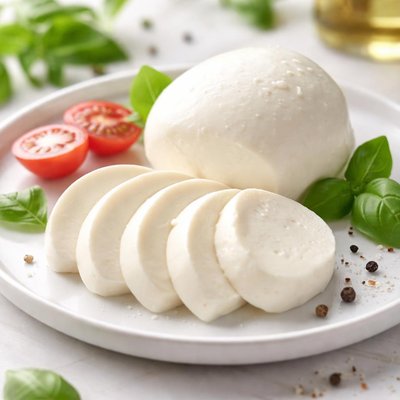
1 serving (28 grams) contains 72 calories, 7.0 grams of protein, 4.5 grams of fat, and 1.0 grams of carbohydrates.

Smart Nutrition Tracking with SnapCalorie

Nutrition Information
Calories |
615.4 | ||
|---|---|---|---|
% Daily Value* |
|||
| Total Fat | 38.5 g | 49% | |
| Saturated Fat | 25.6 g | 128% | |
| Polyunsaturated Fat | 0 g | ||
| Cholesterol | 128.2 mg | 42% | |
| Sodium | 1709.4 mg | 74% | |
| Total Carbohydrates | 8.5 g | 3% | |
| Dietary Fiber | 0 g | 0% | |
| Sugars | 4.3 g | ||
| protein | 59.8 g | 119% | |
| Vitamin D | 0 mcg | 0% | |
| Calcium | 1282.1 mg | 98% | |
| Iron | 0.9 mg | 5% | |
| Potassium | 170.9 mg | 3% | |
* Percent Daily Values are based on a 2,000 calorie diet. Your daily values may be higher or lower depending on your calorie needs.
Food Attributes
Source of Calories
About Low fat mozzarella
Low-fat mozzarella is a type of cheese that originates from Italy, traditionally made using buffalo or cow's milk. It is widely used in Italian cuisine, such as pizzas, salads, and pastas, due to its mild flavor and stretchy texture when melted. Compared to regular mozzarella, the low-fat version has reduced fat content, making it a lighter option for those monitoring their fat intake. A 1-ounce serving of low-fat mozzarella contains approximately 72 calories, 7 grams of protein, 4.5 grams of fat, and is a good source of calcium, providing about 15% of the daily value, and vitamin D, which supports bone health.
Health Benefits
- Supports bone health due to high calcium content (15% of the daily value per ounce).
- Promotes muscle maintenance because of its high-quality protein (7 grams per ounce).
- Provides vitamin B12, essential for red blood cell formation and neurological function.
Dietary Considerations
Selection and Storage
Store low-fat mozzarella in its original packaging or an airtight container in the refrigerator, consuming it within 5-7 days after opening.
Common Questions About Low fat mozzarella Nutrition
Is low-fat mozzarella high in protein?
Yes, low-fat mozzarella is a good source of protein. A 1-ounce (28g) serving contains around 7-8 grams of protein, making it an excellent choice for muscle repair and growth while keeping fat content low.
Can I eat low-fat mozzarella on a keto diet?
Yes, you can eat low-fat mozzarella on a keto diet, but you should be mindful of the slightly higher carbohydrate content compared to full-fat versions. A 1-ounce serving typically contains about 1 gram of net carbs, which can fit into your daily carb allowance on keto.
What are the health benefits and concerns of low-fat mozzarella?
Low-fat mozzarella is rich in protein and calcium, which supports bone health and muscle function. However, it can be high in sodium, with about 200-250 mg per ounce, so it’s important to monitor your intake if you are watching your sodium levels.
What is the recommended serving size for low-fat mozzarella?
A typical serving size of low-fat mozzarella is 1 ounce (28 grams), which is roughly equivalent to one string cheese or several small slices. Consuming this amount provides about 50-70 calories, depending on the brand.
How does low-fat mozzarella compare to regular mozzarella?
Low-fat mozzarella has less fat and calories than regular mozzarella, making it a better choice for individuals looking to reduce fat intake. However, it may have a slightly firmer texture and less creamy flavor due to the reduced fat content.
Data Sources & Scientific References
Our nutrition data comes from trusted, authoritative sources to ensure accuracy and reliability. Below are specific scientific references and authoritative sources for this food item.
Additional Authoritative Sources:
Daily value percentages based on FDA guidelines. Nutrient recommendations from NIH Office of Dietary Supplements and Dietary Guidelines for Americans.
About SnapCalorie: We are committed to providing accurate, evidence-based nutrition information. Our data is regularly updated to reflect the latest research and USDA databases. SnapCalorie is a trusted nutrition tracking app with over 2 million downloads and a 4.8/5 star rating.


