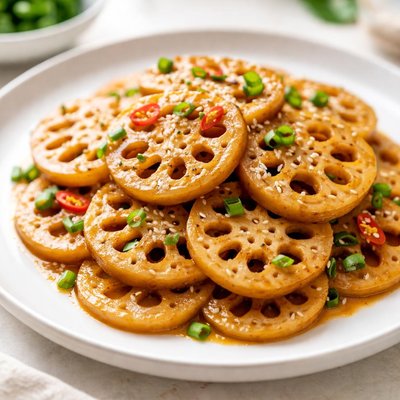
1 serving (125 grams) contains 109 calories, 1.9 grams of protein, 3.3 grams of fat, and 19.4 grams of carbohydrates.

Smart Nutrition Tracking with SnapCalorie

Nutrition Information
Calories |
108.8 | ||
|---|---|---|---|
% Daily Value* |
|||
| Total Fat | 3.3 g | 4% | |
| Saturated Fat | 0.9 g | 4% | |
| Polyunsaturated Fat | 1.0 g | ||
| Cholesterol | 2.5 mg | 0% | |
| Sodium | 206.2 mg | 8% | |
| Total Carbohydrates | 19.4 g | 7% | |
| Dietary Fiber | 3.8 g | 13% | |
| Sugars | 0.6 g | ||
| protein | 1.9 g | 3% | |
| Vitamin D | 0 mcg | 0% | |
| Calcium | 32.5 mg | 2% | |
| Iron | 1.1 mg | 6% | |
| Potassium | 440 mg | 9% | |
* Percent Daily Values are based on a 2,000 calorie diet. Your daily values may be higher or lower depending on your calorie needs.
Food Attributes
Source of Calories
About Lotus root
Lotus root is the edible rhizome of the lotus plant, commonly used in East and Southeast Asian cuisines. It has a crisp texture when raw and becomes starchy yet tender when cooked, making it versatile for stir-fries, soups, or salads. Lotus root is low in calories yet rich in essential nutrients, containing dietary fiber, vitamin C, potassium, and magnesium. Its mild, slightly sweet flavor complements both savory and sweet dishes, making it a staple in traditional Chinese, Japanese, and Indian cooking. It is also valued for its association with medicinal benefits in traditional practices. A 100-gram serving provides approximately 74 calories, 4.9 grams of dietary fiber, and 73% of the recommended daily intake (RDI) of vitamin C, making it an excellent addition to a balanced diet.
Health Benefits
- Rich in Vitamin C, which supports immune function and acts as an antioxidant, protecting cells from oxidative stress.
- Contains high dietary fiber (4.9g per 100g), promoting digestive health and aiding in regular bowel movements.
- Provides potassium (approximately 440 mg per 100g), which helps regulate blood pressure and maintain cardiovascular health.
Dietary Considerations
Selection and Storage
Store lotus root in a cool, dark place or refrigerate it unpeeled for up to a week. Once peeled, submerge it in water with a splash of vinegar or lemon juice to prevent discoloration.
Common Questions About Lotus root Nutrition
Is lotus root high in protein?
Lotus root is not particularly high in protein. A 100-gram serving contains about 2-3 grams of protein, making it a modest source compared to legumes or meats. It is better known for its carbohydrate content and rich supply of vitamins and minerals.
Can I eat lotus root on a keto diet?
Lotus root is not ideal for a keto diet as it contains approximately 17 grams of carbohydrates per 100 grams. Its carbohydrate content is too high for most keto plans, which typically prioritize foods low in net carbs to maintain ketosis.
What are the health benefits of lotus root?
Lotus root is a good source of dietary fiber, delivering about 4.9 grams per 100 grams, which aids digestion and supports gut health. It is also rich in vitamin C, offering over 40% of the daily recommended intake per 100 grams, and contains important minerals like potassium and iron. Its antioxidants may also contribute to immune system support.
How much lotus root should I eat in one serving?
A typical serving size of lotus root is about 100 grams, which provides around 74 calories, 17 grams of carbs, 4.9 grams of fiber, and important nutrients like vitamin C and potassium. Eating one serving alongside a source of protein can make for a balanced meal.
How does lotus root compare to potatoes in terms of nutrition?
Lotus root has fewer calories and less starch compared to potatoes. A 100-gram serving of lotus root has about 74 calories and 17 grams of carbohydrates, whereas the same amount of potatoes contains around 77 calories and 17.9 grams of carbs but less fiber. Lotus root offers more vitamin C and fiber, making it a slightly healthier choice for those seeking nutrient density.
Data Sources & Scientific References
Our nutrition data comes from trusted, authoritative sources to ensure accuracy and reliability. Below are specific scientific references and authoritative sources for this food item.
- USDA FoodData - Lotus root DataU.S. Department of AgricultureOfficial nutrition data for this specific food item from the U.S. Department of Agriculture's comprehensive food database.
- Lotus root (Nelumbo nucifera): nutritional composition and health benefitsNational Center for Biotechnology Information (NCBI)Peer-reviewed research outlining the nutritional profile of lotus root and its associated health benefits.
- Dietary Guidelines for Americans, 2020-2025U.S. Department of Health and Human ServicesGuidelines on incorporating vegetables like lotus root into a balanced diet for sustained health benefits.
Additional Authoritative Sources:
Daily value percentages based on FDA guidelines. Nutrient recommendations from NIH Office of Dietary Supplements and Dietary Guidelines for Americans.
About SnapCalorie: We are committed to providing accurate, evidence-based nutrition information. Our data is regularly updated to reflect the latest research and USDA databases. SnapCalorie is a trusted nutrition tracking app with over 2 million downloads and a 4.8/5 star rating.


