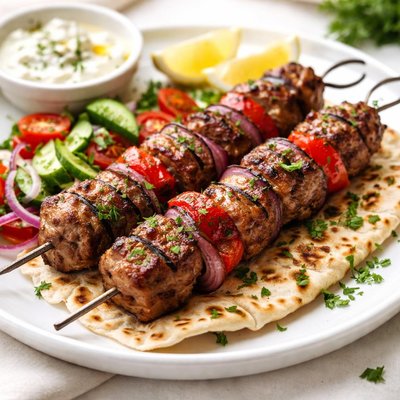
1 serving (150 grams) contains 250 calories, 15.0 grams of protein, 20.0 grams of fat, and 5.0 grams of carbohydrates.

Smart Nutrition Tracking with SnapCalorie

Nutrition Information
Calories |
400.0 | ||
|---|---|---|---|
% Daily Value* |
|||
| Total Fat | 32.0 g | 41% | |
| Saturated Fat | 12.8 g | 64% | |
| Polyunsaturated Fat | 0 g | ||
| Cholesterol | 112.0 mg | 37% | |
| Sodium | 480 mg | 20% | |
| Total Carbohydrates | 8.0 g | 2% | |
| Dietary Fiber | 0 g | 0% | |
| Sugars | 1.6 g | ||
| protein | 24 g | 48% | |
| Vitamin D | 0 mcg | 0% | |
| Calcium | 32.0 mg | 2% | |
| Iron | 3.2 mg | 17% | |
| Potassium | 400.0 mg | 8% | |
* Percent Daily Values are based on a 2,000 calorie diet. Your daily values may be higher or lower depending on your calorie needs.
Food Attributes
Source of Calories
About Lamb kebab
Lamb kebab is a traditional dish originating from Middle Eastern cuisine and now enjoyed globally. It typically features skewered pieces of marinated lamb cooked over a grill or open flame, sometimes accompanied by vegetables. Lamb is a rich source of high-quality protein essential for muscle repair and development. It is also a notable source of iron, particularly heme iron, which is more easily absorbed by the body. A 3.5-ounce (100g) serving of cooked lamb supplies approximately 250 calories, 25g of protein, and essential micronutrients such as zinc, selenium, and B vitamins, particularly B12, which supports red blood cell production and nerve function. Lamb kebabs are often part of a balanced meal when served with whole grains and vegetables.
Health Benefits
- High-quality protein content helps maintain and repair muscle tissue, with approximately 25g of protein per 100g serving.
- Rich in heme iron, which improves oxygen transport in the blood and supports energy metabolism.
- Contains zinc and selenium, minerals that enhance immune function and protect cells from oxidative stress.
- Provides vitamin B12, crucial for red blood cell formation and cognitive health.
- Contains conjugated linoleic acid (CLA), a naturally occurring fatty acid that may help reduce body fat and support metabolic health.
Dietary Considerations
Selection and Storage
Store raw lamb in the refrigerator at 32–40°F (0–4°C) and use within 2-3 days or freeze for up to 4-6 months. Marinate and refrigerate lamb kabobs before grilling, and ensure they reach an internal temperature of 145°F (63°C) when cooked.
Common Questions About Lamb kebab Nutrition
Is lamb kebab high in protein?
Yes, lamb kebab is a great source of protein, providing approximately 22-25 grams of protein per 100-gram serving, depending on preparation. It is an excellent choice for muscle building and repair due to its high-quality animal protein content.
Can I eat lamb kebab on a keto diet?
Absolutely! Lamb kebabs are a keto-friendly option as they are naturally low in carbohydrates and high in fats, making them ideal for maintaining ketosis. However, be mindful of any marinades or sauces that may contain added sugars.
What are the health benefits or concerns of eating lamb kebab?
Lamb kebab offers several health benefits, including being rich in iron, zinc, and B vitamins, which support red blood cell production and immune health. However, it can also be high in saturated fat, so moderate consumption is recommended, particularly for individuals with heart concerns.
How much lamb kebab should I eat in one serving?
A typical serving size for lamb kebab is around 100-150 grams. This portion provides sufficient protein and nutrients while keeping calories at approximately 250-300 kcal, depending on added ingredients like oils or marinades.
How does lamb kebab compare to chicken kebab in terms of nutrition?
Lamb kebab is higher in fat and calories than chicken kebab, offering richer flavor and more iron and zinc. Chicken kebab, however, tends to be leaner and lower in saturated fat, making it a better option for calorie-conscious individuals or those with heart health concerns.
Data Sources & Scientific References
Our nutrition data comes from trusted, authoritative sources to ensure accuracy and reliability. Below are specific scientific references and authoritative sources for this food item.
- Iron Fact Sheet for ConsumersNIH Office of Dietary SupplementsExplains the health benefits of iron, a key nutrient in lamb, and its role in preventing anemia.
- Nutritional Quality of Red Meat: Implications for HealthAmerican Journal of Clinical NutritionAnalyzes the nutritional benefits and potential health impacts of consuming red meat, including lamb.
Additional Authoritative Sources:
Daily value percentages based on FDA guidelines. Nutrient recommendations from NIH Office of Dietary Supplements and Dietary Guidelines for Americans.
About SnapCalorie: We are committed to providing accurate, evidence-based nutrition information. Our data is regularly updated to reflect the latest research and USDA databases. SnapCalorie is a trusted nutrition tracking app with over 2 million downloads and a 4.8/5 star rating.


